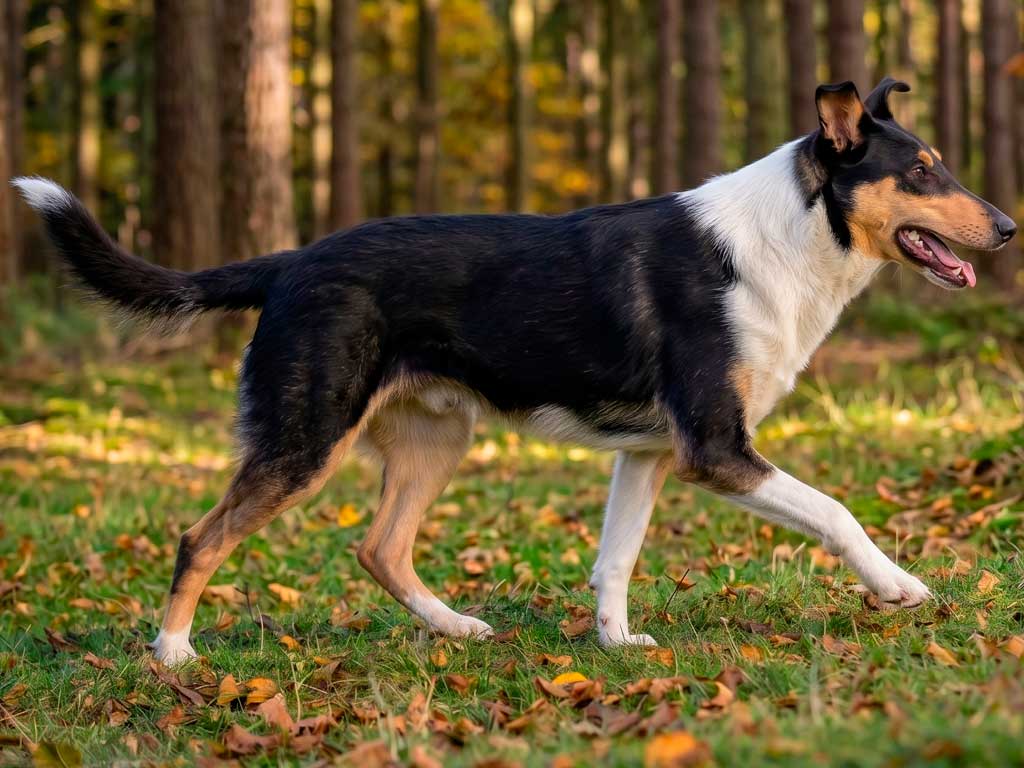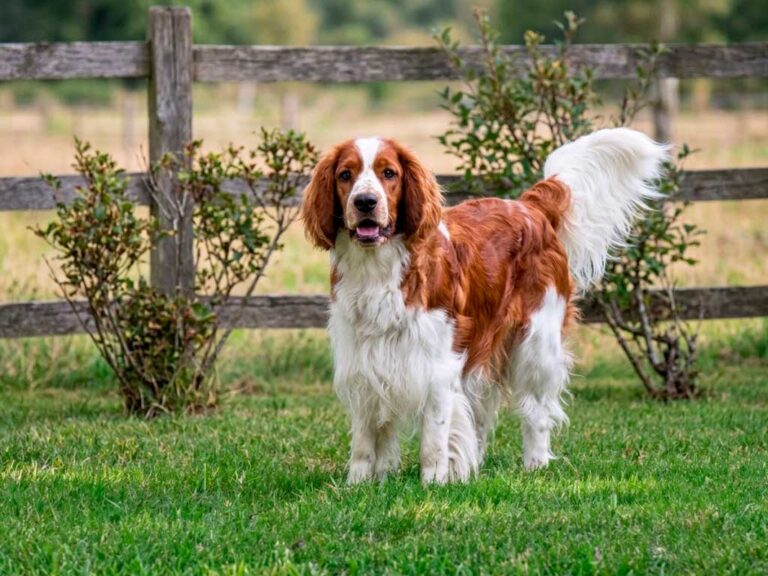
German Shorthaired Pointer: Built for Adventure, Bred for Active Owners

The German Shorthaired Pointer is one of the most athletically gifted, versatile, and deeply affectionate breeds in the dog world — and it’s also one of the most demanding.
This guide covers everything you need to know before bringing one home: its 19th-century hunting origins, striking physical traits, high-voltage temperament, precise care requirements, known health risks (including some serious ones), and an honest assessment of whether this breed actually fits your lifestyle.
One thing is clear from the start: the GSP, as it’s affectionately known, scores a perfect 5 out of 5 for energy level, exercise needs, and family compatibility. It scores just 1 out of 5 for tolerating time alone. That contrast tells you almost everything.
History and Origin of the German Shorthaired Pointer
The German Shorthaired Pointer was developed systematically in 19th-century Germany with a specific goal in mind: to create the ultimate all-around hunting dog.
German breeders weren’t satisfied with specialists. They wanted a single dog capable of tracking, pointing, and retrieving — on land and in water. To get there, they crossed several established hunting breeds, including the Foxhound, the Hanoverian Scent Hound, the Old Spanish Pointer (Perdiguero de Burgos), and the English Pointer.
The result was extraordinary.
The Deutscher Kurzhariger Vorstehhund — the breed’s original German name, meaning “German short-haired pointing dog” — became one of the first HPR (Hunt, Point, Retrieve) breeds to arrive in the United Kingdom from continental Europe. Once there, it quickly earned a reputation that went well beyond the hunting field.
Today, the GSP is classified in the Kennel Club’s Gundog Group and is one of the most popular working and companion breeds in both the UK and the United States. Its combination of athleticism, trainability, and warm temperament has made it a firm favorite with active families who may never fire a shotgun in their lives.
Physical Characteristics
The German Shorthaired Pointer is a dog of noble proportions and athletic build — powerful without being heavy, elegant without being fragile.
Size:
- Males: 58–64 cm tall, weighing 25–32 kg
- Females: 53–59 cm tall, with proportionally lighter frames
The coat is short, dense, and slightly coarse to the touch — a little longer underneath the tail. It lies flat against the body and provides adequate weather protection without requiring intensive maintenance. Accepted colors and patterns include liver (a rich chocolate-brown), liver and white, black and white, and various ticking and roan combinations. Solid black is also recognized.
The head is clean and well-proportioned, with a broad skull and a long muzzle built for scenting. Dark eyes carry an intelligent, eager expression. The ears are set high, hanging flat and close to the head — a classic pointer silhouette.
Physically, every feature on this dog serves a purpose. The deep chest provides cardiovascular capacity. The tucked-up abdomen and long, straight legs deliver efficiency at the gallop. The webbed feet make it a naturally strong swimmer.
This is, in the truest sense, a dog engineered to perform.
Temperament and Personality
Here’s what surprises most first-time GSP owners: beneath all that athletic intensity is an enormously affectionate, family-oriented dog.
The German Shorthaired Pointer is loyal, friendly, and genuinely loving with the people it bonds to. It is famously good with children — earning that perfect 5/5 family score — and generally sociable with other dogs when properly introduced. It is not a guarding breed by nature; it will alert bark, but it lacks the territorial protectiveness of a true watchdog.
What defines this breed’s personality above all else is its need for connection. The GSP is not built for solitude. With a tolerance score of just 1 out of 5 for being left alone, this is a breed that will struggle — and express that struggle destructively — if regularly left without company or mental engagement.
Several core traits define the GSP temperament:
- Boundless enthusiasm. Everything this dog does, it does with full commitment. Play, training, work, affection — the intensity dial goes to eleven.
- Sharp intelligence. The GSP learns quickly. That’s a gift when you’re training it, and a liability when it’s bored and inventing its own entertainment.
- Strong prey drive. Its hunting instincts are alive and well, even in suburban GSPs that have never seen a bird in a field. Small pets — rabbits, cats, birds — may need to be introduced with care or kept separate.
- People-focused. Unlike some working breeds that can operate independently, the GSP wants to work with you. It is happiest when it has a job to do alongside its human.
The bottom line: this is a breed that gives everything it has to the right owner. In return, it asks for your time, your presence, and your commitment to keeping it physically and mentally fulfilled.
Care Guide
Diet and Nutrition
The GSP is a large, high-activity breed with significant caloric needs. Its diet should be formulated specifically for large, active dogs — delivering high-quality protein to support muscle, healthy fats for sustained energy, and a balanced micronutrient profile including joint-supporting minerals.
One nutritional priority stands out: the German Shorthaired Pointer is prone to bloat (gastric dilatation-volvulus, or GDV), a potentially fatal condition in which the stomach fills with gas and can twist. To meaningfully reduce the risk:
- Feed two to three smaller meals daily rather than one large portion
- Enforce a rest period of at least one hour before and after eating — no vigorous exercise during this window
- Use a slow-feeder bowl if your dog tends to gulp food quickly
- Know the warning signs: restlessness, unproductive retching, a visibly swollen abdomen — and treat any suspected GDV as an immediate veterinary emergency
Avoid free-feeding. Monitor body condition closely, since a working dog kept in lean, athletic shape lives longer and more comfortably than one that’s even slightly overweight.
Exercise Requirements
Two hours of vigorous exercise per day. Every day. That is the non-negotiable baseline for an adult German Shorthaired Pointer.
And not just any exercise — this breed needs purposeful, high-intensity activity that engages both its body and its nose. Long off-lead runs in open countryside, retrieving sessions, swimming, agility courses, and tracking or scent work are all ideal. A 30-minute walk on a lead simply does not cut it for this breed.
The consequences of under-exercising a GSP are predictable and unpleasant. A bored, under-stimulated GSP will redecorate your home — chewing, digging, barking, and generally creating chaos until its energy finds an outlet.
Puppies are a different case. Until the growth plates close — typically around 18 months — avoid excessive impact exercise like long-distance running or jumping. Supervised play and moderate walks are appropriate at that stage.
Mental stimulation is equally important throughout the dog’s life. Training sessions, puzzle feeders, nose-work games, and new environments to explore all count. Think of mental exercise as the other half of the daily requirement.
Grooming Needs
This is one area where the GSP is genuinely easy to own.
The short, dense coat requires nothing more than a weekly brush-through with a soft bristle brush or grooming mitt to remove loose hair and keep the coat in good condition. Shedding is moderate and manageable with regular brushing.
Beyond that, standard routine care applies:
- Ears: Check and clean weekly. The hanging ears can trap moisture, increasing the risk of infection — especially in a dog that swims regularly.
- Nails: Trim monthly, or more frequently if the dog isn’t naturally wearing them down on hard surfaces.
- Teeth: Brush several times per week. Dental disease is one of the most common — and preventable — health issues in dogs of all breeds.
- Paws: Check for cuts, cracking, or debris after fieldwork or woodland walks.
That’s it. No professional grooming appointments, no complicated coat maintenance. For a large, working-bred dog, the GSP’s grooming demands are minimal.
Training and Education
The German Shorthaired Pointer is widely considered one of the most trainable breeds in existence — and the vet scoring table confirms it with a perfect 5 out of 5 for trainability.
That intelligence is genuinely impressive. GSPs pick up new commands rapidly, generalize well across environments, and respond with enthusiasm to reward-based training. They are sensitive to their handler’s emotional state and work best with calm, consistent, positive reinforcement methods.
Here’s the important caveat: intelligence without direction becomes a problem. A GSP that isn’t trained is a GSP that will train itself — and its curriculum will not match yours.
Key principles for training this breed:
- Start early and stay consistent. Puppy classes from 8–12 weeks of age set the foundation. The earlier you establish clear communication, the better.
- Use positive reinforcement. Food rewards, play, and verbal praise are highly effective. Harsh corrections or punishment-based methods create anxiety and undermine the trust this breed needs to perform well.
- Keep sessions varied. The GSP’s intelligence means repetitive drills bore it quickly. Mix up exercises, introduce new challenges, and end every session on a success.
- Socialize thoroughly. Expose puppies to a wide range of people, animals, environments, and sounds. A well-socialized GSP is confident and adaptable; a poorly socialized one can become reactive.
- Consider sport or field work. GSPs that compete in agility, canicross, flyball, or HPR field trials are some of the happiest, most fulfilled dogs you’ll encounter. Their working instincts run deep — give them an outlet that honors that.
This is not a breed that thrives with a passive owner. However, for someone willing to invest time in proper training, the German Shorthaired Pointer is an extraordinary partner.
Health and Longevity
The German Shorthaired Pointer enjoys a life expectancy of 12 to 14 years — excellent for a large breed. In general, GSPs are considered a healthy breed. However, several conditions appear with greater frequency and deserve serious attention from any prospective owner.
Hip dysplasia is the primary concern. This malformation of the hip joint causes progressive pain and mobility issues. The breed has a formal screening program — always ask breeders for documented hip scores before purchasing a puppy.
Bloat (GDV) is covered in the nutrition section, but it warrants repeating here: this is a genuine emergency condition that kills quickly without intervention. Deep-chested breeds are at elevated risk, and the GSP is no exception.
Von Willebrand’s Disease is a bleeding disorder in which the dog produces insufficient or defective clotting factors, leading to potentially uncontrolled hemorrhage. It can be identified through genetic testing, which reputable breeders should conduct.
Dilated Cardiomyopathy (DCM) is a progressive weakening of the heart muscle that impairs its ability to pump effectively. Regular cardiac check-ups become increasingly important as the dog ages.
Entropion is a painful eye condition in which the eyelid rolls inward, causing the lashes to scratch the cornea. It is correctable surgically when caught early.
Cranial Cruciate Ligament (CCL) disease — the canine equivalent of a human ACL injury — affects the knee and causes pain, lameness, and instability. The GSP’s athleticism and high activity levels place extra stress on these structures.
Epilepsy is also reported at higher rates in this breed than in the general dog population.
The most important step you can take is to source your GSP from a breeder who conducts full health screening for hips, eyes, heart, and genetic conditions. This single decision shapes everything that follows.
Is This the Right Dog for You?
Time for an honest conversation.
The German Shorthaired Pointer is one of the finest dogs ever bred. It is also one of the most mismatched dogs in rescue centers — precisely because people fall for its beauty and energy without fully understanding what that energy means on a Tuesday afternoon in November.
The GSP is an exceptional fit if you:
- Lead an active lifestyle with two-plus hours daily available for exercise
- Have access to open outdoor space — countryside, fields, or large parks
- Have some prior experience with medium or large breeds
- Want a dog that is deeply bonded, people-focused, and genuinely joyful
- Are interested in training, dog sports, or fieldwork
- Can be home regularly — this breed does not tolerate long periods alone
Think very carefully if you:
- Work long hours with no dog care arrangement in place
- Live in a small flat or apartment with no outdoor access
- Are a first-time dog owner underestimating the time commitment
- Have small pets at home that may trigger the breed’s prey drive
- Want a calm, low-energy companion dog
The right owner will find the German Shorthaired Pointer to be one of the most rewarding breeds alive — endlessly enthusiastic, deeply loyal, and genuinely fun to be around. That owner just needs to meet the breed where it is.
Frequently Asked Questions About the German Shorthaired Pointer
1. Is the German Shorthaired Pointer a good family dog?
Absolutely — for the right family. The GSP scores 5 out of 5 for family compatibility and is known for being warm, playful, and patient with children. However, its high energy and size mean it’s best suited to active households rather than sedentary ones. Young children should always be supervised around any large, excitable dog.
2. How much exercise does a German Shorthaired Pointer need per day?
Adult GSPs require a minimum of two hours of vigorous exercise daily. This means genuine high-intensity activity — off-lead running, retrieving, swimming, or structured dog sports — not just a slow walk. Under-exercised GSPs become destructive and difficult to manage indoors.
3. Can a German Shorthaired Pointer live in an apartment?
It’s strongly inadvisable. The GSP’s energy level, size, and need for daily high-intensity exercise make apartment life a poor match. This breed thrives with access to a secure garden and regular access to open countryside or large parks. Without adequate space and stimulation, behavioral problems develop quickly.
4. Are German Shorthaired Pointers good with other dogs and pets?
Generally yes with other dogs, especially when properly socialized from puppyhood. With smaller pets — cats, rabbits, rodents, or birds — caution is warranted. The GSP’s prey drive is strong and instinctive; some individuals can coexist with cats they’ve been raised alongside, but introductions should always be managed carefully.
5. What are the most serious health risks for German Shorthaired Pointers?
The key conditions to be aware of are hip dysplasia (screen with a vet-recommended program), bloat/GDV (a potentially fatal emergency — know the symptoms), Von Willebrand’s Disease (a genetic bleeding disorder), dilated cardiomyopathy (progressive heart disease), cranial cruciate ligament rupture, entropion (eye condition), and epilepsy. Always source from health-tested breeders and schedule regular veterinary check-ups throughout the dog’s life.