Senior Pet & Multi-Pet Insurance: What Changes as Your Household Grows
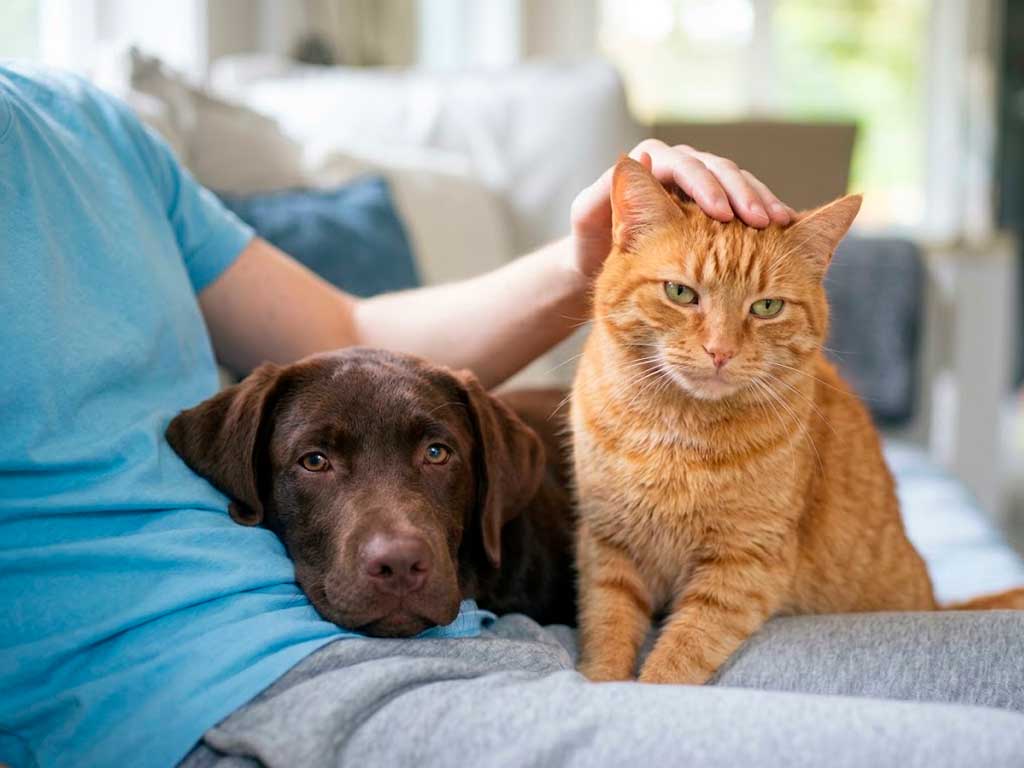
Ever wondered if it’s too late to insure your older dog, or whether having three cats means three separate headaches to manage? Neither situation is as complicated as it feels once you understand how insurers actually handle age and household size.
Senior pet insurance and multi-pet coverage both come with their own quirks, but neither one is off-limits the way some owners assume, and both are worth a real quote before writing off the idea entirely.
Quick answer: Most insurers will still cover a senior pet, though expect a higher premium and sometimes a lower payout cap. Multi-pet households can usually get a discount by asking directly, even though each pet still gets its own individual policy.
Senior Pet Insurance: What Changes With Age
Age is one of the biggest factors in your premium, right alongside breed. Older pets file more claims on average, so insurers price accordingly.
Most providers will still write a policy for a senior pet, but a handful cap the age at which they’ll accept a brand-new enrollment. It’s worth checking this specifically rather than assuming every insurer works the same way.
Payout caps sometimes shrink for older pets too, even when the monthly premium goes up. Read the annual limit carefully before assuming a senior policy protects you the same way a policy for a younger pet would.
Senior Dog Insurance vs. Pet Insurance for Senior Cats
Senior dog insurance tends to focus heavily on joint issues, cancer, and heart conditions, the conditions that become statistically more common as dogs age past seven or eight.

FROM LEMONADE
Pet insurance with super fast everything
Sign up in seconds. Get paid in minutes. Award-winning service.
Carefully crafted in collaboration with our vet team and lots of excited pet parents.
Happy Pet Zone may earn a commission when you click through to Lemonade, at no extra cost to you.
Pet insurance for senior cats leans toward a different set of concerns: chronic kidney disease, hyperthyroidism, diabetes, and dental disease. Cats often mask symptoms of these conditions longer than dogs do, which makes catching them early through regular vet visits especially important once a policy is in place.
Both species see premiums climb with age, but the underlying conditions driving that increase differ enough that it’s worth reading policy exclusions specific to your pet’s species rather than assuming dog and cat senior coverage work identically.
Older Dog Insurance: Enrollment Age Caps and What to Expect
Pet insurance for senior dogs becomes trickier the further past middle age your dog gets. Some insurers cap new enrollments around 8 to 10 years old, though this varies significantly by provider.
A dog already past that cutoff with one insurer might still qualify with another, so it’s worth getting quotes from several providers rather than assuming a single rejection means no coverage exists anywhere.
Even with a higher premium and a shorter list of options, coverage for an older dog is usually still worth pursuing. A senior dog is statistically the most likely to need expensive treatment, which is exactly the scenario insurance is designed to soften.
When to Insure a Middle-Aged Pet Before They Become a Senior
There’s a window most owners miss: the stretch between a pet’s healthy adult years and when they officially cross into senior territory, usually somewhere around age seven for dogs and cats alike.
Insuring during that window locks in a lower premium tier and gives the pet a clean enough record that fewer conditions have had time to develop. Waiting until obvious signs of aging appear, stiffness, slower recovery, more frequent vet visits, means enrolling right as the pricing and exclusions both start working against you.
If your pet is somewhere in that middle stretch right now, this is genuinely one of the better times to get a quote, before age caps or new pre-existing conditions start narrowing your options.
Why Senior Pets Often Already Have Pre-Existing Conditions
The longer a pet has lived, the more time there’s been for something to show up on a vet record. Older pets are more likely to already have a condition insurers won’t cover, which is the single biggest reason enrollment timing matters so much.
This doesn’t mean a senior policy is worthless. It usually still covers new, unrelated conditions that develop after the policy starts, even if it excludes something already on record. The value shrinks compared to insuring young, but it rarely disappears entirely.
What Senior Coverage Actually Costs
Premiums for senior pets typically run noticeably higher than for younger animals, sometimes by a significant margin depending on the pet’s age and health history.
Senior pets usually cost more to insure, see how much for your specific pet’s age and breed, since national averages skew toward younger animals and don’t always reflect what an 11-year-old dog or cat would actually pay.
Multi Pet Insurance: How the Discount Works
If you’ve got more than one pet, ask every insurer you’re considering about a multi-pet discount before you buy anything. It’s a common perk that plenty of owners never think to ask about directly.
Multi pet insurance doesn’t usually mean a single combined policy. Most insurers still write a separate policy for each pet, with the discount applied as a percentage off the total once you’re insuring more than one animal in the same household.
The discount amount varies by provider, typically somewhere in the 5 to 10 percent range per additional pet. It’s rarely enough to change whether insurance makes sense, but it’s real money left on the table if you never ask.
Some insurers apply the discount as a flat percentage across all pets once you cross a threshold, like three or more animals. Others scale it, offering a slightly bigger discount for each additional pet beyond the second. Neither approach is universal, so it’s worth asking exactly how the math works before assuming a specific savings figure.
Multi Pet Insurance Comparison: What to Look For
When you’re running a multi pet insurance comparison, price per pet only tells part of the story. Check whether each pet gets individually underwritten, since a healthy young cat and a senior dog with existing conditions will price very differently even under the same provider.
Confirm whether the multi-pet discount applies automatically or requires you to enroll all pets at once. Some insurers only honor the discount if every pet in the household is insured with them simultaneously, which matters if you’re planning to add a new pet later.
Finding the Cheapest Multi Pet Insurance Without Losing Coverage
The cheapest multi pet insurance option isn’t always the best value once you account for what each policy actually covers. A rock-bottom price across several pets can mean thin coverage on every single one.
Instead of chasing the lowest total premium, compare the same deductible and reimbursement percentage across providers for each pet individually. The real savings usually come from the multi-pet discount stacked on top of solid individual coverage, not from picking the cheapest bare-bones plan available.
Cover the Pets You Have Now
Whether you’re insuring a senior pet for the first time or trying to figure out the smartest way to cover a growing household, the same basic principle applies: get real quotes rather than assuming either situation is too complicated to bother with. Both scenarios are more manageable than they first appear, and asking a few direct questions upfront saves real money either way.
For everything else that goes into a policy, go back to our complete pet insurance guide.