
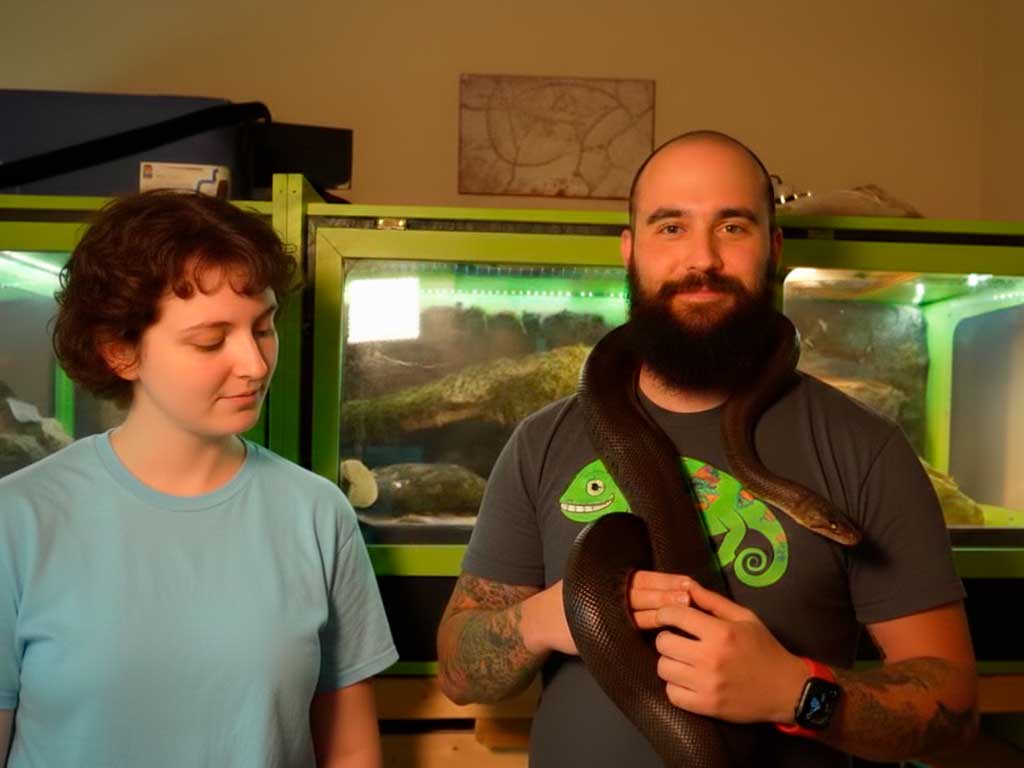
In the reptile hobby, it’s easy to get swept up by the “superstars.” Walk into any pet store, and you’ll likely see rows of Ball Pythons, Leopard Geckos, and Bearded Dragons. While these species are popular for a reason, sticking only to the “classics” means missing out on some of the most rewarding, intelligent, and unique companions the reptile world has to offer.
Just because a reptile isn’t “trending” doesn’t mean it isn’t a world-class pet. In my years of keeping and observing these fascinating creatures, I’ve found that some of the most overlooked species are actually the most charismatic.
Whether you’re looking for a miniature dinosaur or a snake that truly interacts with you, here are the five most underrated reptiles you should consider for your next enclosure.
Health & Safety Note: While reptiles are fascinating pets, they can carry Salmonella. Always wash your hands after handling your pets or cleaning their habitats. If you are new to reptiles, consult with an exotic vet to ensure your husbandry meets their specific needs.
1. The MacLet’s Python (Macklot’s Python)
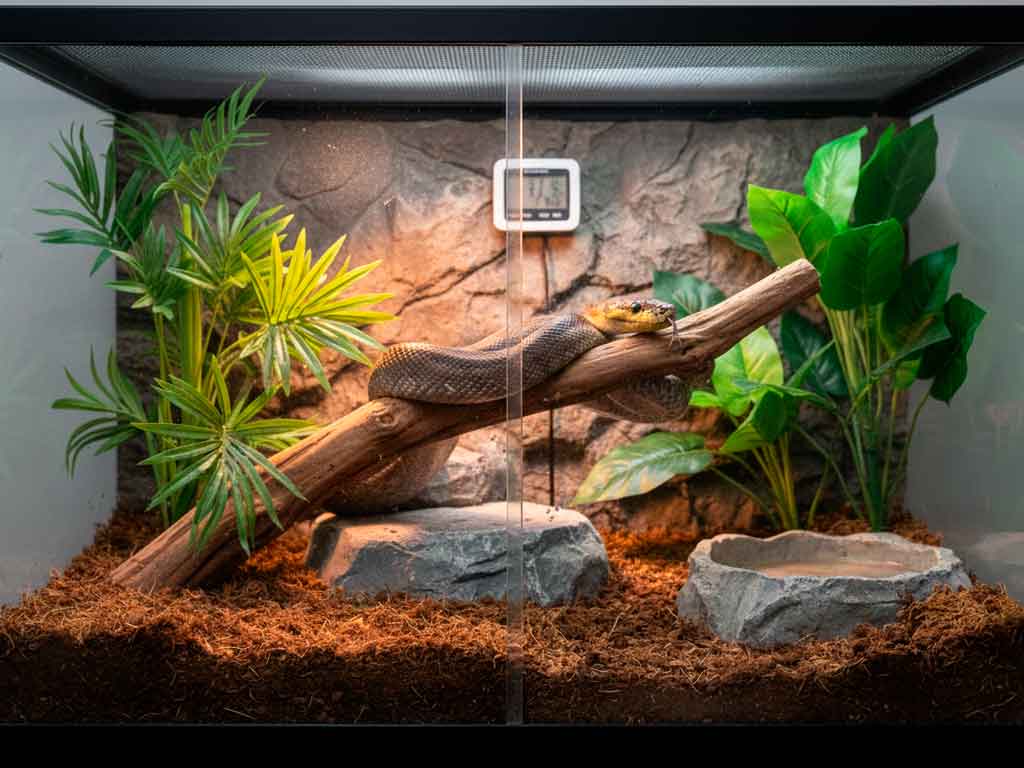
When people think “Python,” they usually want the docility of a Ball Python. However, many keepers overlook the Macklot’s Python because of a somewhat unfair reputation.
It is true that as hatchlings, these snakes can be “nippy” and defensive. But here is a secret: almost every python species (except the Ball Python) starts out a bit moody. As they mature, Macklot’s Pythons settle into incredible adults. They are highly intelligent and, in my experience, they provide a “sturdy” handling experience—they feel like a warm hug rather than a fragile string.
- Size: They can reach 6 to 9 feet, making them substantial but manageable.
- Intelligence: They are remarkably observant and come from the beautiful regions of Indonesia.
- Simplicity: Unlike other species flooded with complex “morphs,” a Macklot’s Python is beautiful in its natural, pure form.
2. Pine Snakes (Pituophis family)
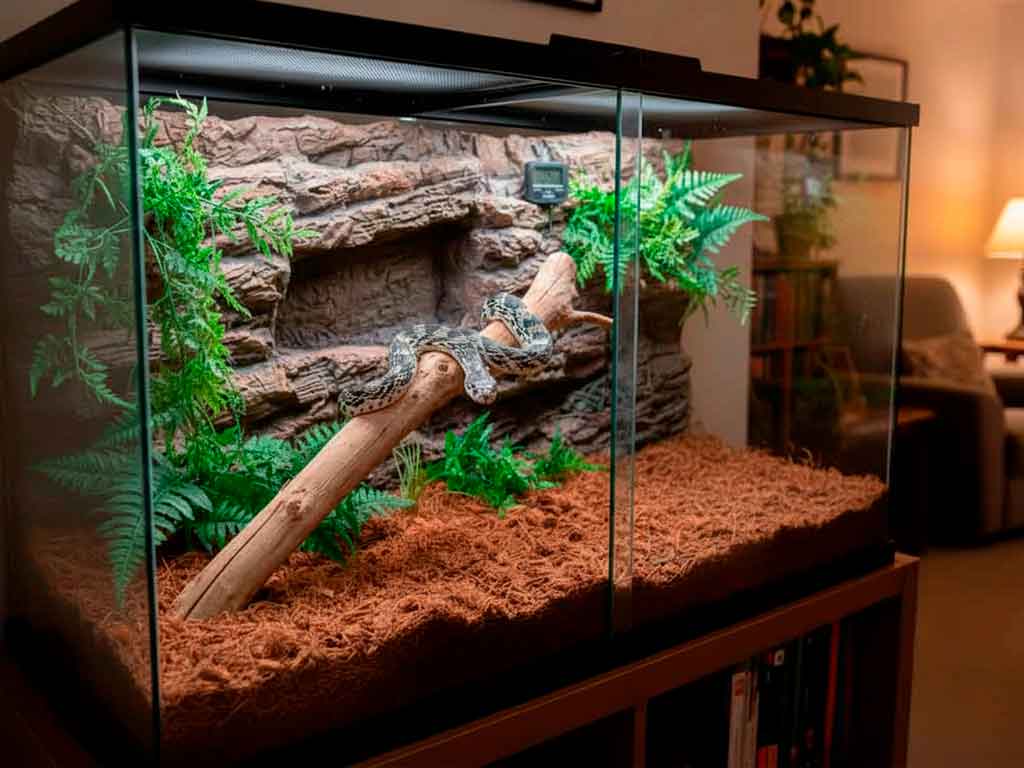
While the hobby has recently popularized Bullsnakes, the Pine Snake remains in the shadows. This North American native is a powerhouse of personality.
What I love about Pine Snakes is their unique look and their “bluffing” behavior. If they feel threatened, they might rise up and hiss—or even strike with a closed mouth—to act tough. However, once socialized, they are among the most predictable and easy-to-handle colubrids.
They are slow-moving compared to flighty corn snakes and are incredibly budget-friendly. Plus, if you live in a temperate climate, maintaining their temperature gradients is a breeze because they thrive in conditions similar to a warm summer day.
3. Kimberly Rock Monitor (Varanus glauerti)
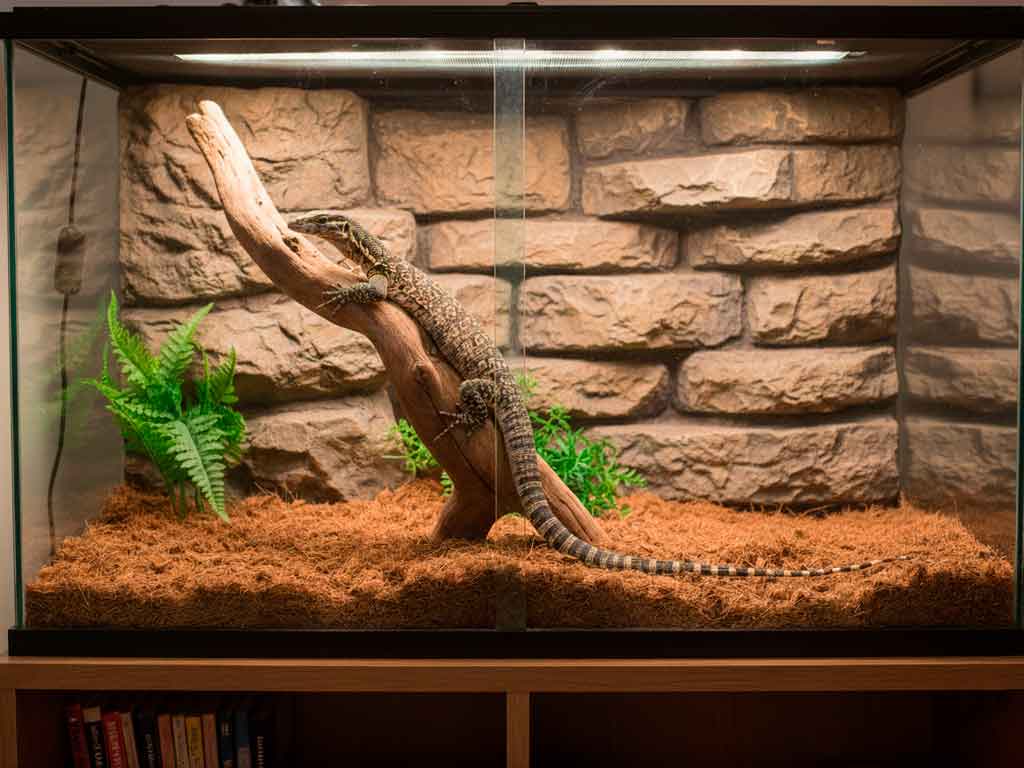
If you want the “monitor experience” without the requirement of a room-sized enclosure, the Kimberly Rock Monitor is the gold standard.
While everyone talks about Ackie Monitors, the “Kims” offer something more arboreal and elegant. They look like miniature blue-tinted dinosaurs and are constantly active. In my home, I have their enclosure near the dining area; watching them “ping-pong” around their habitat is better than watching television.
- Personality: They are bold, diurnally active (awake when you are), and less prone to biting than other dwarf monitors.
- Care: They need a very hot basking spot but are surprisingly hardy when it comes to humidity fluctuations.
4. Collared Lizards
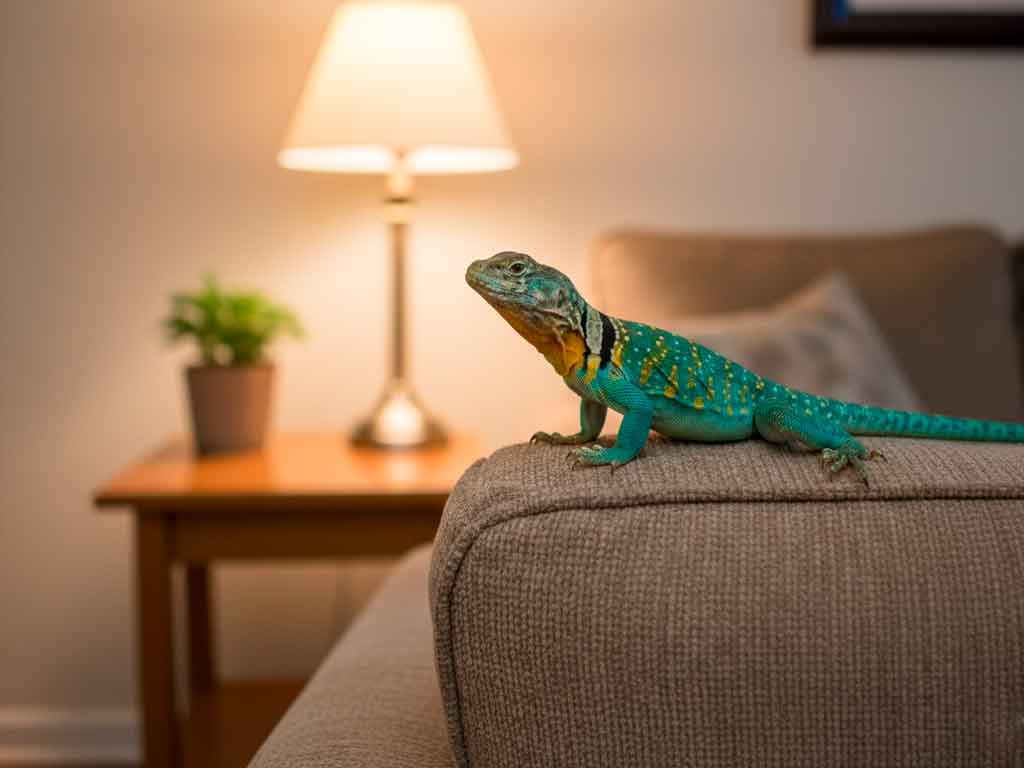
I’ll be honest: I used to think Collared Lizards were overrated. I had three that did nothing but hide. But then, something changed—they “woke up.”
Now, they are some of the most dynamic residents of my collection. They are small enough that you can keep a small colony (one male and two females) in a 4-foot enclosure. They are colorful, active, and love to climb.
Keep in mind: These are seasonal animals. If you live in a cold area, they will likely brumate (hibernate) for a few months. But for the 8 months they are active, their speed and predatory intelligence are a joy to witness.
5. Schneider’s Skink: The “Puppy” of the Reptile World
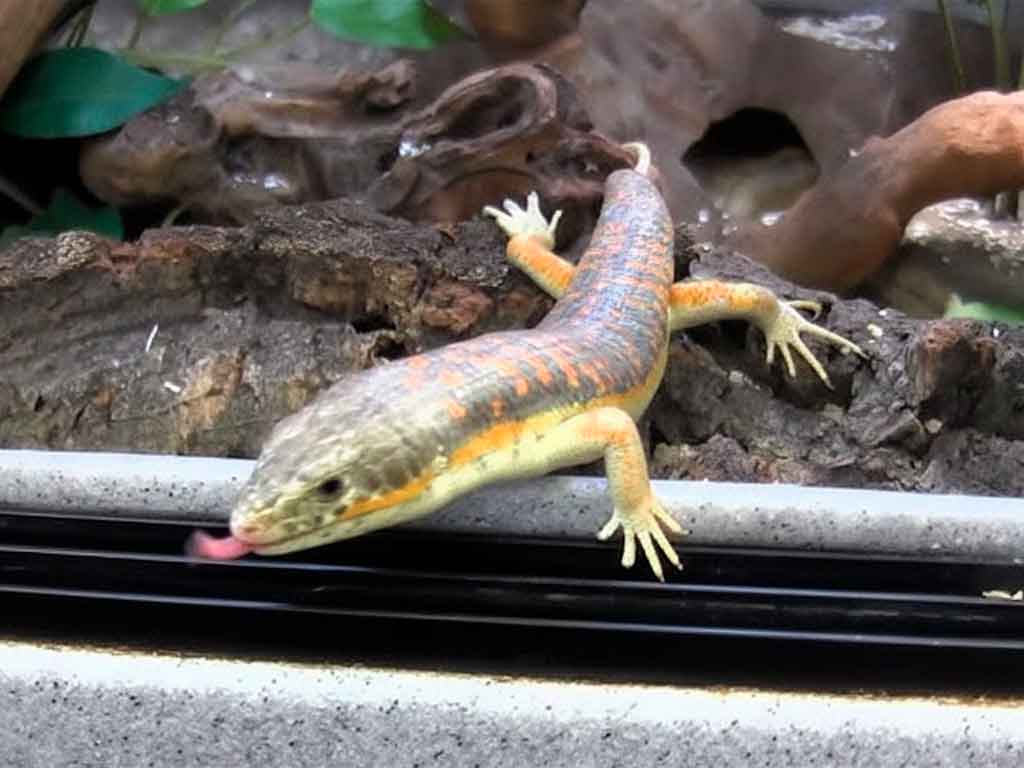
If I had to pick the single most underrated reptile in existence, it’s the Schneider’s Skink.
Most people are currently obsessed with Emerald Tree Skinks, but Schneider’s Skinks are, in my opinion, far superior as pets. They are terrestrial, easy to house, and incredibly social.
Every time I open their enclosure, they literally run toward me like a dog greeting its owner at the door. They are purely insectivorous and stay small, meaning you don’t need a massive array of heat lamps to keep them happy. I’ve tried to downsize my collection many times, but I can never bring myself to part with my Schneider’s—they simply have too much heart.
Choosing a pet shouldn’t be about what’s popular on social media; it should be about the connection you feel with the animal. Whether it’s the intelligence of a Macklot’s Python or the social nature of a Schneider’s Skink, these five species offer a rewarding experience that the “mainstream” pets often miss.
Frequently Asked Questions (FAQs)
Are Macklot’s Pythons dangerous because of their size?
Not necessarily. While they can reach 7–9 feet, they are slender compared to Heavy-bodied pythons like Burms. With regular, calm handling, they become very tractable and safe for experienced keepers.
Can I keep multiple Collared Lizards together?
Yes, but with caution. You can keep a group of females or a harem (one male, multiple females) in a large enough enclosure (at least 4x2x2). Never keep two males together, as they are highly territorial.
What do Schneider’s Skinks eat?
They are primarily insectivores. They thrive on a variety of gut-loaded insects like crickets, dubia roaches, and mealworms, dusted with high-quality calcium and vitamin D3 supplements.
Do Kimberly Rock Monitors need a tall or long tank?
Since they are arboreal (tree-climbing) monitors, they require vertical space. A tall enclosure with plenty of branches and rock ledges is essential for their well-being.
Why do my Collared Lizards stop eating in the winter?
This is likely natural brumation. Many temperate reptiles have an internal clock that tells them to slow down and sleep during the winter months. As long as they are healthy and at a good weight, this is a normal biological process.