
Metabolic Diet for Dogs: What to Know About JustFoodForDogs

Is your dog carrying extra weight, asking for food shortly after meals, or struggling to maintain a healthy body condition? A metabolic diet for dogs may be part of the plan your veterinarian recommends, but choosing the right food involves more than comparing calorie counts.
JustFoodForDogs Metabolic + Weight Control is a fresh, frozen veterinary-support diet developed for dogs that need help with weight management or certain metabolic concerns identified by a veterinarian. Its updated recipe has fewer calories per ounce than the company’s previous Metabolic Support formula, along with a different blend of protein and fiber ingredients.
That sounds promising for some dogs. Still, the best diet depends on your dog’s current weight, body condition, activity level, medical history, and daily calorie needs.
Here’s what to know about the updated recipe, the science behind weight-management diets, and the questions worth asking your veterinarian before ordering.
What Is JustFoodForDogs Metabolic + Weight Control?
JustFoodForDogs Metabolic + Weight Control is a fresh, frozen dog food formulated to support veterinary-directed weight management and certain metabolic nutrition needs.
The company says the updated recipe replaces its original Metabolic Support formula. It adjusts the protein and fat levels to reduce calories per ounce and changes several ingredients to create a different fiber profile.
According to the official product page, the updated formula is designed around four main features:
- Reduced calories per ounce
- Barley and peas in place of oats
- Turkey as the animal protein source, including turkey liver
- A fiber profile built around whole-food ingredients, including barley, butternut squash, and peas
These changes may matter when a dog needs a measured feeding plan that helps manage calorie intake while providing essential nutrients.
However, the product description is not proof that every dog with excess weight needs this particular recipe. Your veterinarian should decide whether it fits your dog’s nutritional requirements.
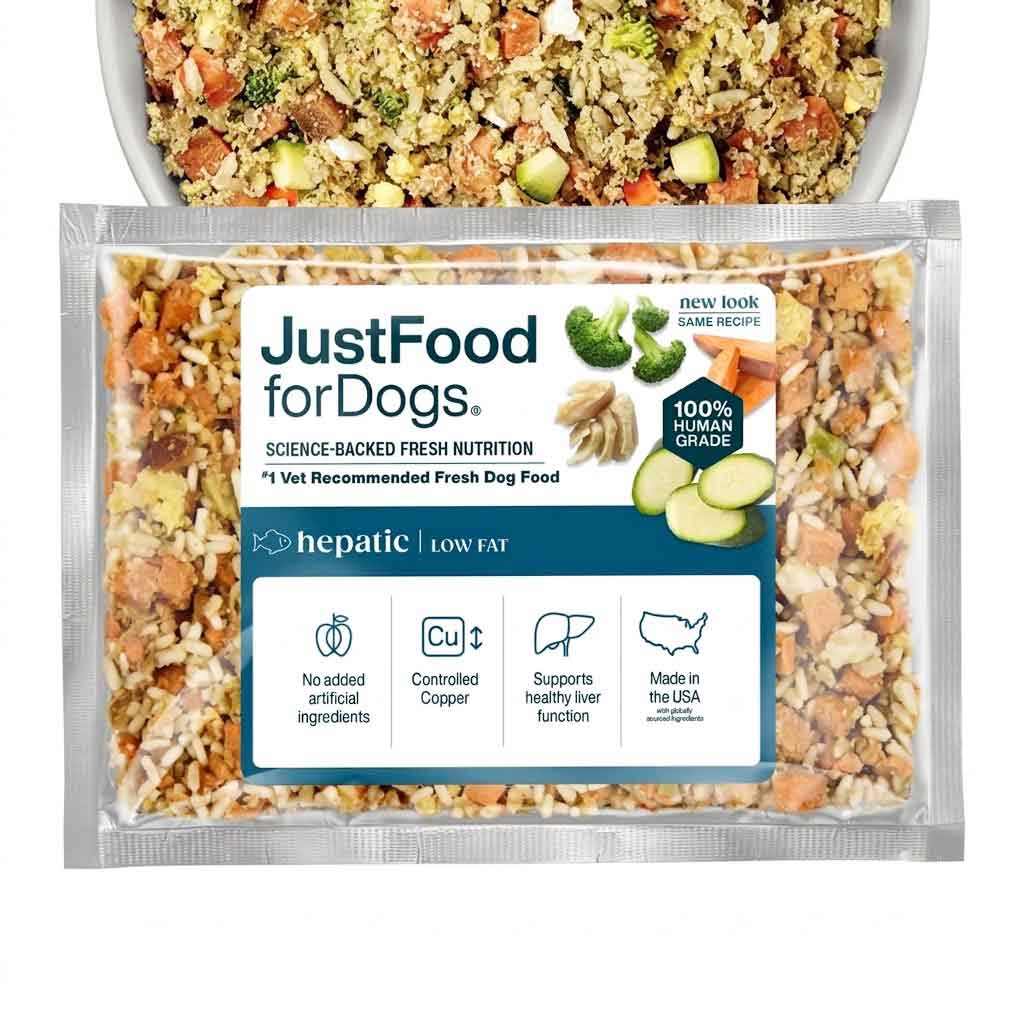
VETERINARY DIET FRESH DOG FOOD
Metabolic + Weight Control
Designed to support healthy weight management in dogs with specific nutritional needs. Ask your veterinarian if this formula is appropriate for your dog before ordering.
- Human-grade ingredients
- No added preservatives
Happy Pet Zone may earn a commission from qualifying purchases made through affiliate links, at no extra cost to you.
A Real-Life Story About Canine Weight Management
Helping an overweight dog reach a healthier weight often takes more than changing food alone. Wolfgang, a rescued Beagle who once weighed 90 pounds, lost 46 pounds through a combination of controlled feeding, balanced nutrition, and regular exercise. His story illustrates why a structured weight-management plan should consider the dog’s overall needs.
Wolfgang’s experience is an individual case, not a guarantee of results from any particular food. Talk with your veterinarian before making significant changes to your dog’s calorie intake or diet.
What Ingredients Are in the Updated Recipe?
The listed ingredients are turkey, barley, butternut squash, peas, turkey liver, omega marine microalgae oil, and the company’s Metabolic nutrient blend.
Each ingredient has a role in the overall formulation.
Turkey and turkey liver
Turkey provides protein, which helps support muscle maintenance. Preserving lean body mass is an important part of a structured weight-loss plan, especially when a dog needs to reduce body fat without losing too much muscle.
Turkey liver contributes additional nutrients. The manufacturer says the new formula uses turkey liver instead of beef liver to create a single-protein-source recipe.
That does not automatically make it appropriate for every dog with food sensitivities. If your dog has a suspected food allergy, ask your veterinarian whether the full ingredient list is suitable.
Barley, butternut squash, and peas
These ingredients contribute carbohydrates and dietary fiber. Fiber can influence stool quality, digestion, and how satisfying a meal feels.
The updated recipe replaces the previous formula’s oats and psyllium husk with barley, butternut squash, and peas. The company describes this as a whole-food fiber profile designed to support fullness and digestive wellness.
Still, dogs can respond differently to dietary changes. Monitor stool consistency and appetite during any transition, and contact your veterinary team if persistent digestive problems develop.
Omega marine microalgae oil and the nutrient blend
The recipe includes omega marine microalgae oil, which supplies EPA and DHA, along with a nutrient blend formulated for the food.
The complete ingredient combination matters more than any single ingredient. A food intended for a specific nutritional purpose needs to provide the right overall balance, not just a few ingredients that sound beneficial.
Nutritional Facts: Calories, Protein, Fat, and Fiber
The manufacturer’s current product page lists the following guaranteed analysis and calorie information.
| Nutritional detail | Manufacturer’s listed value |
|---|---|
| Crude protein | 9.0% minimum |
| Crude fat | 3.0% minimum |
| Crude fiber | 3.0% maximum |
| Moisture | 76% maximum |
| EPA and DHA | 0.05% minimum |
| Metabolizable energy | 1,225 kcal/kg |
| Calories per ounce | 35 kcal |
These percentages are listed on the product’s as-fed guaranteed analysis. They should not be compared directly with the percentages on a dry kibble label without accounting for differences in moisture content.
The manufacturer also states that the recipe is formulated to meet the AAFCO Dog Food Nutrient Profiles for maintenance. Check the current package and ask your veterinarian how that statement applies to your dog’s individual feeding plan.
Why calories per ounce matter
Calorie density helps determine how much food a dog can receive within a daily calorie allowance. A food with fewer calories per ounce may allow a larger portion than a more calorie-dense food, depending on the prescribed daily intake.
That can be useful for some dogs, but portion size still matters. Even a food designed for weight control can contribute to weight gain if a dog consistently eats more calories than needed.
Your veterinarian can estimate an appropriate daily calorie target and adjust it based on your dog’s progress.
Which Dogs May Need a Metabolic Diet?
A veterinarian may recommend a weight-management diet for a dog that is overweight, has obesity-related health concerns, or needs a more structured approach to maintaining an appropriate body condition.
The diagnosis and nutritional goal should guide the choice of food. The phrase metabolic diet is not a diagnosis on its own, and different medical conditions can require different nutritional strategies.
Dogs that are overweight or obese
Extra body fat can affect a dog’s mobility, comfort, and overall health. A structured weight-management plan typically combines an appropriate calorie intake with regular monitoring and activity suited to the individual dog.
The 2021 AAHA Nutrition and Weight Management Guidelines recommend individualized nutritional assessments and plans designed to achieve and maintain an appropriate body weight while meeting nutrient requirements.
A veterinarian may consider a specialized diet when ordinary portion adjustments are not meeting the dog’s needs or when the dog needs a carefully controlled nutrition plan.
Dogs that seem hungry during weight loss
Some dogs become more interested in food when their portions are reduced. Persistent begging can make a feeding plan difficult to follow, particularly in households where several people give treats or table scraps.
Research published in the Journal of Veterinary Internal Medicine found that a high-protein, high-fiber diet reduced voluntary food intake in controlled satiety tests involving dogs. A separate study of client-owned dogs with obesity found greater weight loss in the group fed a high-protein, high-fiber diet than in the comparison group.
These findings help explain why protein and fiber are considered when formulating weight-management foods. They do not establish that every high-fiber recipe will produce the same result, or that this specific JustFoodForDogs formula has been shown to deliver those outcomes.
Dogs with additional health concerns
Excess weight may occur alongside other conditions, such as osteoarthritis or diabetes mellitus. In these cases, nutrition is one part of a broader care plan.
A dog with another medical condition may need dietary adjustments beyond calorie reduction. For example, a veterinarian may have to consider nutrient restrictions, medication timing, muscle condition, or other health priorities before recommending a food.
Do not assume that a product described as “metabolic” treats a hormonal disorder or another underlying disease. Ask your veterinarian what condition the diet is intended to address and how success will be measured.
What Does the Science Say About Weight-Management Diets?
Veterinary research supports structured, individualized weight management for dogs. It does not support choosing a diet solely because its name includes “metabolic” or “weight control.”
The 2021 AAHA guidelines emphasize nutritional assessment, an appropriate body-weight goal, and a plan that meets the animal’s nutrient requirements.
A clinical review of canine and feline obesity management also highlights the need for regular monitoring. A plan may need adjustment when a dog’s weight changes more slowly or quickly than expected.
Two studies are particularly relevant to the role of protein and fiber:
- In a study of dogs with naturally occurring obesity, a high-protein, high-fiber diet was associated with greater weight loss than a comparison diet over the study period. Read the study.
- In a controlled satiety study, researchers found that a high-protein, high-fiber diet reduced voluntary food intake compared with diets containing high protein or high fiber alone. Read the study.
These studies support the broader principles behind some weight-management formulations. They do not establish that the exact ingredient combination in Metabolic + Weight Control will cause the same results in every dog.
Your dog’s calorie allowance, food intake, activity, health status, and consistency at home still matter.
What Changed From the Original Metabolic Support Recipe?
If your dog already eats the original JustFoodForDogs Metabolic Support recipe, pay attention to the updated formula rather than assuming the old feeding amounts still apply.
The company identifies several changes:
| Feature | Updated Metabolic + Weight Control |
|---|---|
| Calorie density | Adjusted to reduce calories per ounce |
| Protein and fat | Levels adjusted from the previous recipe |
| Main animal protein | Turkey |
| Liver ingredient | Turkey liver replaces beef liver |
| Carbohydrate and fiber ingredients | Barley, butternut squash, and peas replace the previous oats and psyllium-based approach |
| Feeding recommendations | New serving guidance applies |
The company specifically advises customers to follow the new daily feeding guide if their dogs were eating the original recipe.
This is important because the same volume or weight of two different recipes may provide different amounts of energy. Do not carry over the old portion size without checking the new instructions with your veterinarian.
How to Feed It Safely
A weight-management diet works best as part of a plan that everyone in the household can follow.
Before changing your dog’s food, discuss the following steps with your veterinarian.
- Confirm the goal. Ask whether your dog needs to lose weight, maintain weight, or address another nutrition-related concern.
- Set a daily feeding amount. Use the veterinarian’s recommendation and the current product feeding guide, rather than guessing from the package size.
- Count treats and extras. Training rewards, table scraps, chews, and food used to give medication can add calories.
- Measure meals consistently. Use the same measuring method each day and make sure everyone who feeds your dog knows the agreed amount.
- Track progress. Follow your veterinarian’s schedule for weight checks and reassessment. Portion sizes may need to change over time.
- Watch your dog’s response. Keep an eye on appetite, energy, stool quality, and willingness to eat. Report persistent changes or concerns.
If your dog has been prescribed another therapeutic diet, ask before replacing it. A weight-control formula may not meet every nutritional requirement associated with another illness.
Storage and Handling
JustFoodForDogs instructs customers to store this recipe frozen and thaw it in the refrigerator.
The product page states that unopened thawed meals can remain fresh in their original sealed packaging for up to seven days, while opened food should be used within five days. Follow the current package instructions and discard food that has been stored improperly or shows signs of spoilage.
Plan freezer space before ordering a multi-pack. That small bit of preparation can make it easier to store the food correctly and follow the feeding schedule.
Is JustFoodForDogs Metabolic + Weight Control Worth Considering?
This recipe may be worth discussing with your veterinarian if your dog needs a structured weight-management plan and the formula fits their nutritional requirements.
Its updated calorie density, turkey-based protein, and fiber ingredients are relevant features. The manufacturer also provides calorie information and a revised feeding guide, which can help a veterinary team calculate portions.
There are limits to what the product information can tell you. The scientific studies discussed above support general principles of canine weight management, not a guaranteed outcome from this exact recipe. The best choice depends on your dog’s health, body condition, and response to the feeding plan.
You can also read our JustFoodForDogs review and browse our dog nutrition guides for more information about choosing food for your dog’s needs.
Frequently Asked Questions
Veterinary disclaimer: This article provides general educational information and does not replace veterinary diagnosis or treatment. Ask your veterinarian whether Metabolic + Weight Control is appropriate for your dog and follow their guidance on portions, transition, and monitoring.