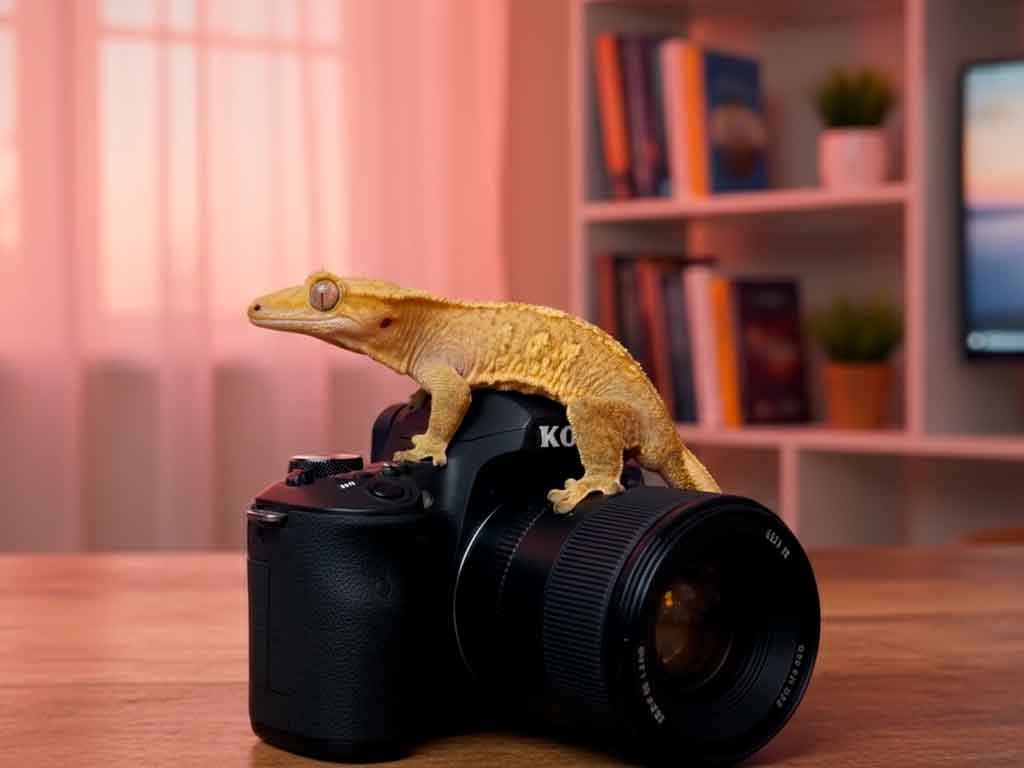
Geckos have been a cornerstone of the reptile-keeping hobby for decades. With dozens of species and endless color morphs, these charismatic lizards offer something for everyone—from the space-conscious apartment dweller to the bioactive terrarium enthusiast.
At Happy Pet Zone, we have evaluated these species not just on their “cool factor,” but on their manageability, availability, and temperament. Whether you are looking for a hands-on companion or a stunning display animal, here are the top five geckos that we believe stand out as the best choices in the current hobby.
1. The Crested Gecko (Correlophus ciliatus): The King of Convenience
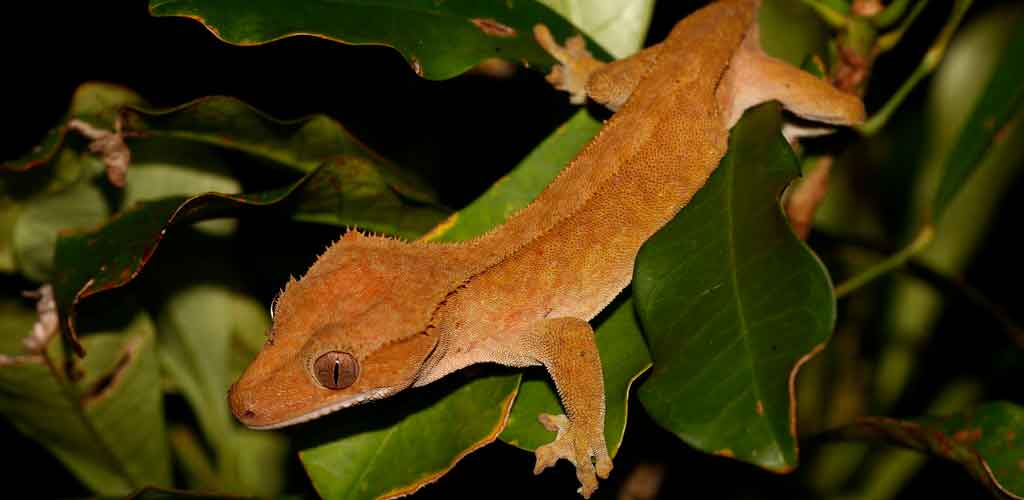
The Crested Gecko is undoubtedly the most recommended species for those seeking a low-maintenance pet with a vibrant personality.
- Behavior and Handling: These are docile yet “springy” animals. Their ability to adhere to almost any surface thanks to specialized toe pads makes them fascinating to observe. They are generally calm during handling, though they may occasionally jump.
- In-Depth Habitat Requirements: As arboreal lizards, they require vertical space. An 18x18x24-inch terrarium is the gold standard. I highly recommend a bioactive setup using plants like Pothos or Neoregelia. This not only helps maintain the necessary humidity (60-80%) but also provides essential natural enrichment.
- Expert Nutrition: While complete powdered diets are a staple, offering live crickets or small Dubia roaches once a week stimulates their hunting instincts and improves overall muscle tone.
Expert Tip: If you notice your Crested Gecko spending all its time on the enclosure floor, check your humidity levels. They often descend if the ambient air is too dry.
2. Giant Day Gecko (Phelsuma grandis): The Living Jewel
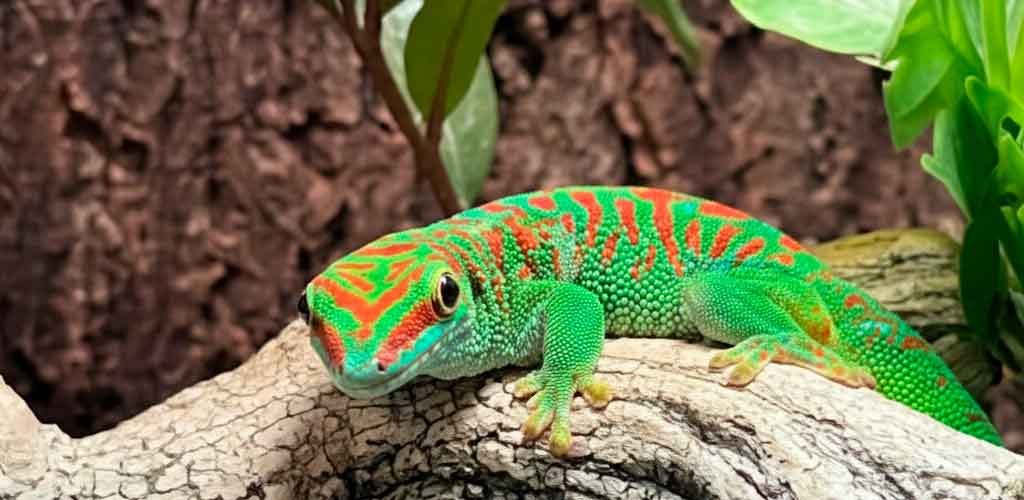
Native to Madagascar, these geckos are for the enthusiast who prioritizes stunning aesthetics and active daytime observation.
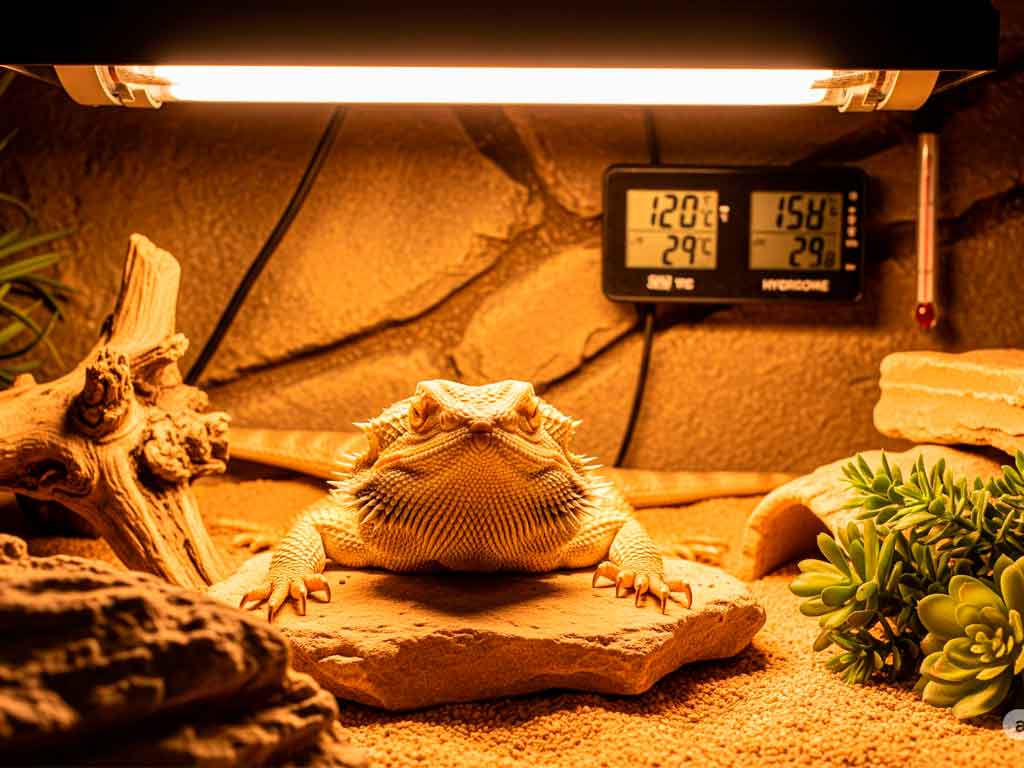
- Critical Lighting Requirements: Unlike others on this list, the Giant Day Gecko demands high-quality UVB lighting and a localized basking spot of around 90°F (32°C). Without this, they will lose their brilliant neon green hue and risk developing metabolic bone disease.
- Handling Warning: Their skin is incredibly delicate. They possess the ability to “slough” or tear away patches of skin to escape predators—or a clumsy owner. These are strictly “look-but-don’t-touch” pets.
- Interaction: They are highly intelligent lizards. With patience, many owners successfully “target train” their Day Geckos to accept food (fruit nectar or insects) directly from tongs.
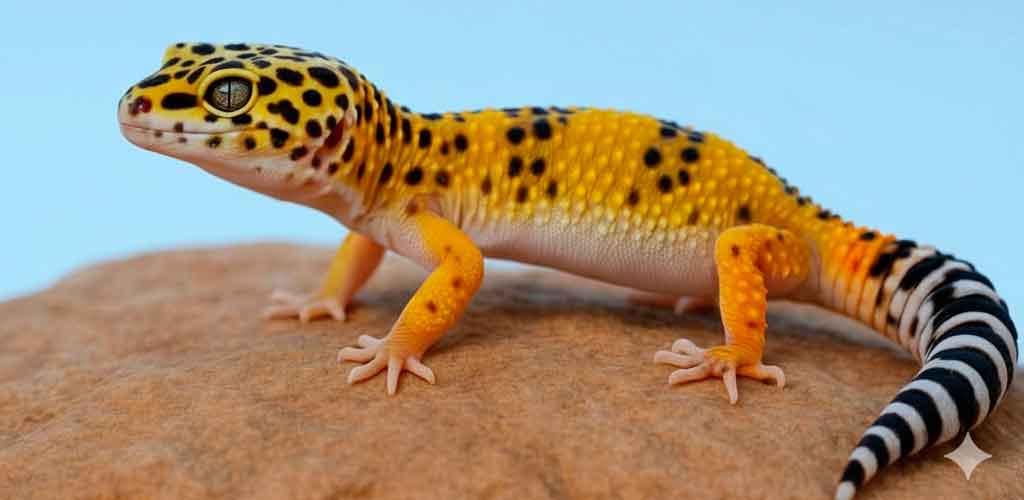
3. Leopard & African Fat-Tailed Geckos: The Terrestrial Classics
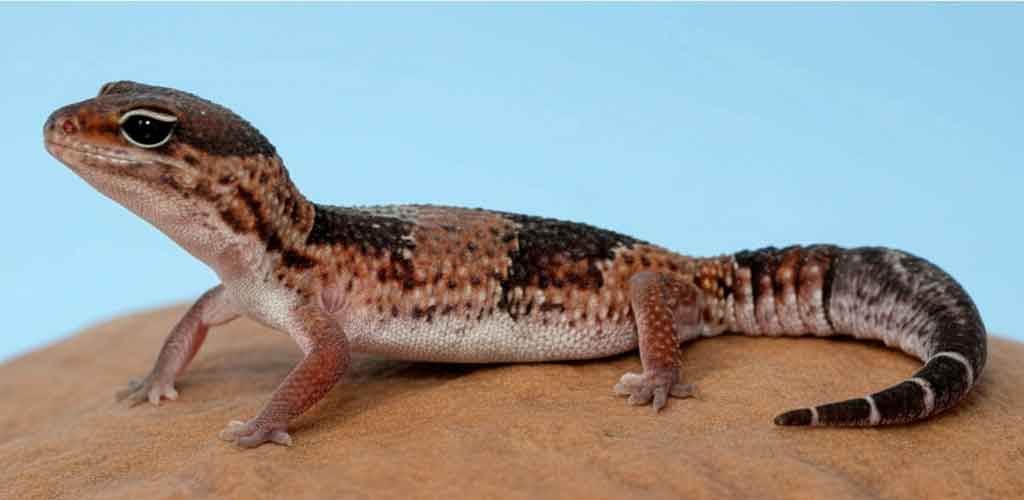
While often confused, the Leopard Gecko (from arid regions) and the African Fat-Tailed Gecko (from more humid environments) are the perfect ground-dwelling companions.
- Personality: These are among the few reptiles that appear to have “expressions.” Leopard Geckos are generally active and curious, whereas Fat-Tailed Geckos tend to be shyer and more sedentary.
- The Energy Reservoir: Their tail is a direct health indicator. A thin tail in an adult is a red flag for parasites or poor nutrition. These geckos require live insects that have been “gut-loaded” with nutrients and dusted with calcium and Vitamin D3.
- Substrate and Safety: Avoid loose sand, which can cause fatal intestinal impaction. Instead, opt for soil-clay mixes that allow for safe burrowing, mimicking their natural homes in the Middle East or Africa.
4. Chinese Cave Gecko (Goniurosaurus): The Gothic Guardian
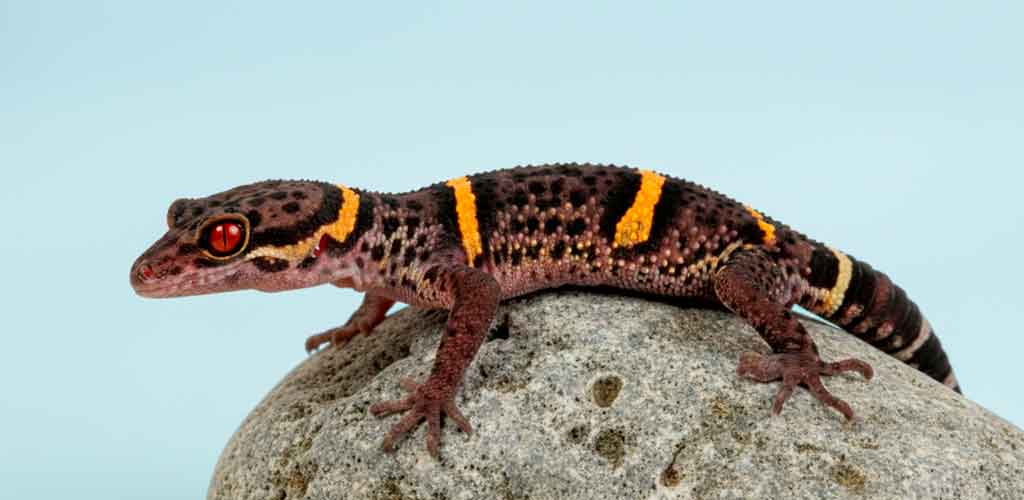
If you are looking for something truly unique, the Chinese Cave Gecko is a living work of art, featuring striking red eyes and yellow bands over a dark purple-black body.
- Microclimate Specialists: They inhabit rock crevices and caves, which means they hate the heat. They require cool temperatures between 65°F and 75°F (18°C – 24°C). If you live in a warm climate without air conditioning, this species will struggle.
- Terrarium Configuration: They need plenty of shade and moist hiding spots. Utilize sphagnum moss and slate rocks to recreate their ancestral humid cave environment.
- Behavioral Note: Being nocturnal and somewhat reserved, watching them emerge from their caves under dim, red light is one of the most rewarding experiences for a keeper.
5. Knob-Tailed Gecko (Nephrurus): The Australian Wonder
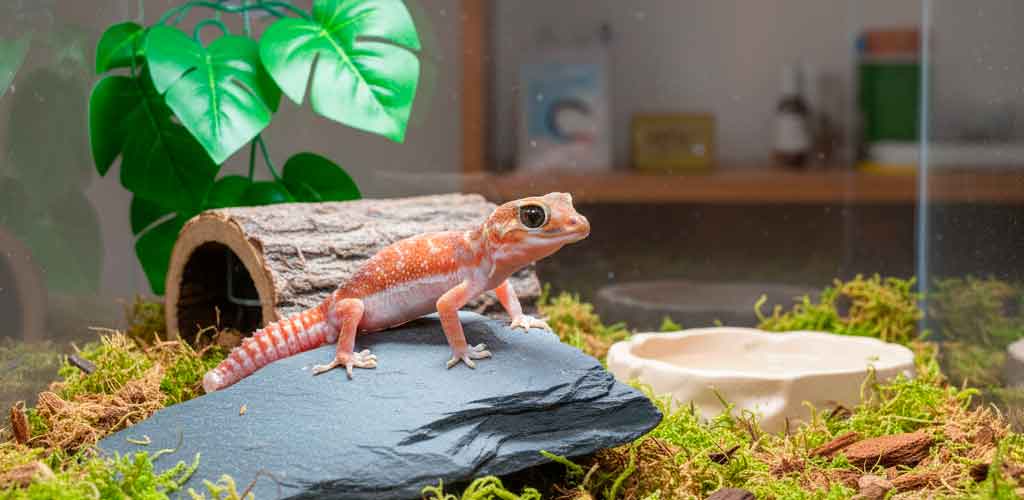
“Knob-tails” are collector favorites due to their almost alien appearance: massive eyes, disproportionately large heads, and a tiny tail ending in a small “knob” or ball.
- Small but Feisty: They rarely exceed 5.5 inches, but they have plenty of attitude. When threatened, they may stand tall, wag their knobbed tail, and even emit a small “bark” to startle intruders.
- Arid Maintenance: They are expert tunnelers. They require a sandy substrate that stays slightly damp in the lower layers so their burrows don’t collapse.
- Availability: While once prohibitively expensive, captive breeding in the USA and Canada has flourished, making them much more accessible for those seeking a unique, exotic treasure from the Australian outback.
Quick Care Summary
| Species | Habitat Type | Primary Diet | Handling Level |
| Crested Gecko | Tropical / Vertical | Powdered Diet & Insects | High |
| Giant Day Gecko | Tropical / Vertical | Insects & Nectar | Very Low (Visual Only) |
| Leopard Gecko | Arid / Horizontal | Live Insects | Very High |
| Chinese Cave Gecko | Cool / Humid | Live Insects | Low |
| Knob-Tailed Gecko | Desert / Sand | Live Insects | Medium |
Before acquiring any reptile, ensure you have located a qualified exotic animal veterinarian in your area. Geckos can live 10 to 25 years; they are a long-term commitment requiring consistent investment in nutrition and climate control.
Frequently Asked Questions (FAQs)
Which gecko is best for someone who travels often?
The Crested Gecko is the top choice. Because they thrive at room temperature and can eat a powdered diet that stays fresh in a simplified automated feeder, they are much more resilient to short absences than heat-dependent species.
Do I really need to provide UVB light for a nocturnal gecko?
Yes. Modern herpetology suggests that all geckos benefit from low-level UVB (2-7%). It aids in vitamin D3 synthesis, prevents Metabolic Bone Disease (MBD), and helps regulate their natural circadian rhythm.
Can I house two geckos together to keep them company?
Generally, no. Most geckos are solitary and territorial. Housing males together leads to fighting, and housing mixed sexes leads to constant breeding stress. It is always safer to have one enclosure per animal.
Why is my gecko’s skin turning white or grey?
This is a sign that your gecko is preparing to shed. Within 24–48 hours, they will peel off the old skin. Ensure the humidity in their “moist hide” is high during this time to prevent “stuck shed” on toes and tail tips.
How long do pet geckos typically live?
Geckos are a long-term commitment. Most species on this list live between 10 to 20 years with proper care. Leopard Geckos, in particular, can easily reach 25 years in captivity.
Do geckos recognize their owners?
While they don’t feel “love” like mammals, geckos like the Leopard Gecko can distinguish between their keepers and strangers. They associate you with food and safety, often becoming very calm during handling sessions.
What is “Metabolic Bone Disease” (MBD)?
MBD is a painful condition where a gecko’s bones become soft or deformed due to a lack of calcium and Vitamin D3. Prevent it by dusting all feeder insects with calcium powder and providing appropriate lighting.
Is it expensive to maintain a gecko month-to-month?
After the initial setup, geckos are affordable. You can expect to spend $15–$30 USD per month on live food, supplements, and a slight increase in electricity for heating and lighting.
Can children take care of geckos?
Yes, but with adult supervision. Leopard Geckos are the best choice for children due to their slow movement. However, an adult should always be responsible for monitoring temperatures and diet.
Do I need to provide a water bowl if I mist the tank?
Yes. Even if your gecko prefers to lick water droplets off leaves, a shallow water dish should always be available. It helps maintain humidity and provides a constant hydration source.