Dwarf Hairgrass Care Guide: Light, CO₂ & Carpet Growth
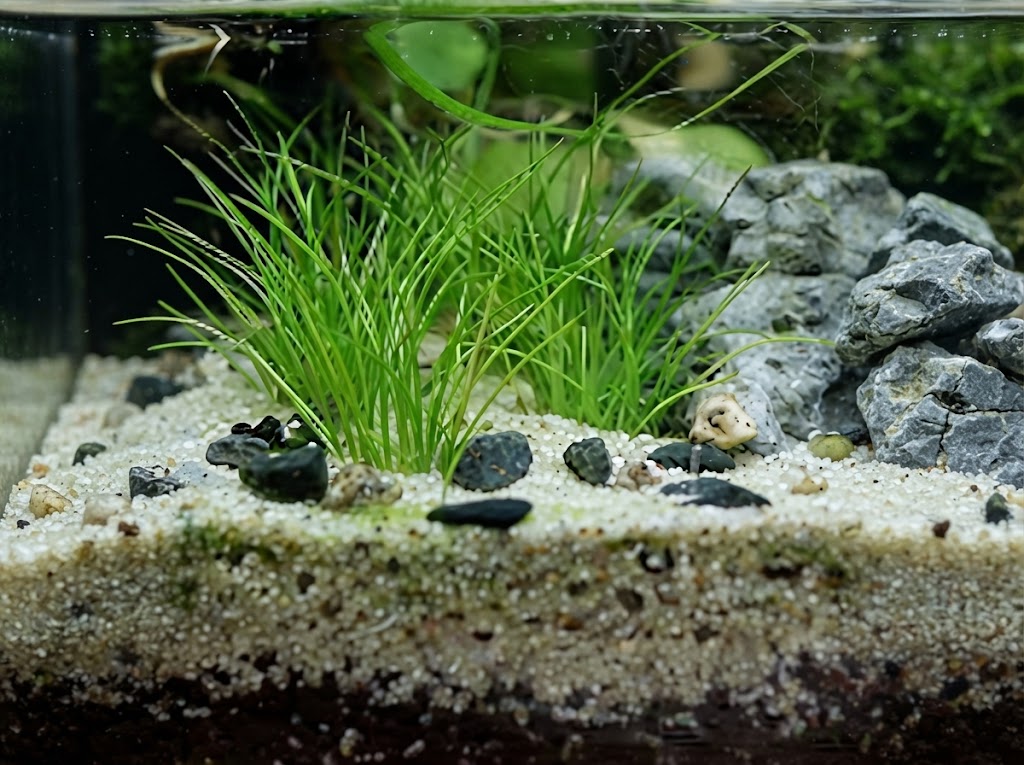
Dwarf hairgrass is one of the most recognizable foreground plants in a planted aquarium, but getting a dense carpet takes more than pushing a few clumps into the substrate.
Light must reach the foreground, roots need access to nutrients, and the plant needs enough carbon to produce runners.
The plant can grow without injected CO₂, although carbon, light and nutrients working together usually produce faster and denser growth.
Aquarium sellers also use the names Eleocharis parvula, Eleocharis acicularis and “Eleocharis mini” inconsistently, so knowing what to look for matters when buying it.
Dwarf Hairgrass Quick Facts
| Common name | Dwarf Hairgrass |
| Scientific names seen in the hobby | Eleocharis parvula, Eleocharis acicularis |
| Placement | Foreground |
| Propagation | Runners |
| Light | Medium to high |
| CO₂ | Optional, beneficial |
| Substrate | Fine, nutrient-rich preferred |
| Difficulty | Beginner to intermediate |
What Is Dwarf Hairgrass?
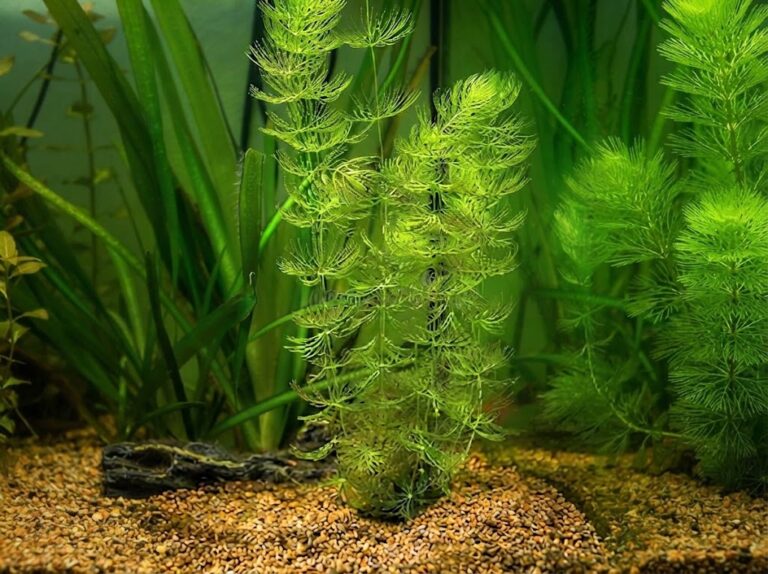
Dwarf hairgrass is a sedge-like aquatic plant with thin grass-shaped blades that spreads through horizontal runners. Those runners produce new plantlets until separate clumps eventually join into a continuous foreground carpet.
Its upright texture works especially well around rocks and wood. It creates a miniature meadow rather than the solid mat produced by some broad-leaved carpeting plants, making it useful in Iwagumi layouts, community aquariums and shrimp tanks.
Eleocharis Parvula vs. Eleocharis Acicularis
The aquarium trade does not use these names consistently. Aquarium Co-Op currently lists its Dwarf Hairgrass as Eleocharis acicularis, while AquariumStocking identifies its plant as Eleocharis parvula. For buyers, mature size and growth habit can be more useful than the label alone.
How Much Light Does Dwarf Hairgrass Need?
Light is the first variable to check when dwarf hairgrass refuses to carpet. The important measurement is usable light at substrate level, because the foreground receives less light than plants near the surface.
A practical starting point is 7–9 hours of controlled light each day. Medium to strong foreground lighting can work well, while floating plants and tall stems should not be allowed to shade the carpet. If blades become tall and thin without spreading sideways, inspect light before adding more fertilizer.
See our Aquarium Lighting Guide for a deeper explanation of planted-tank lighting.
Does Dwarf Hairgrass Need CO₂?
No. Dwarf hairgrass can grow without injected CO₂ when lighting, nutrients and stability are appropriate. CO₂ generally improves growth speed and density, however, which matters if your goal is a fast, solid carpet.
Do not compensate for missing CO₂ by simply increasing light. Strong light combined with limited carbon can increase algae pressure before the hairgrass has enough plant mass to compete.
The Best Substrate for Dwarf Hairgrass
Dwarf hairgrass is a genuine substrate plant. Its roots anchor the clumps while runners spread through the upper substrate, so a fine planted substrate is usually easier to work with than coarse gravel.
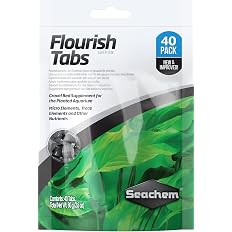
Nutrient-rich aquasoil is convenient in a new planted tank. With inert sand or gravel, root tabs can provide nutrients close to the roots. Seachem Flourish Tabs are designed for root-feeding plants and release nutrients over an extended period.
FROM AMAZON.COM
Seachem Flourish Tabs 40 Tab Pack
Root-zone fertilizer tabs packed with minerals and nutrients. Press into the substrate near plant roots for slow, steady feeding in freshwater tanks.
Buy on Amazon.comHappy Pet Zone may earn a commission when you click through to Amazon.com, at no extra cost to you. As an Amazon Associate, we earn from qualifying purchases.
How to Plant Dwarf Hairgrass
- Remove the plant from its pot. Rinse away growing medium carefully. Tissue-culture plants should have their gel thoroughly removed.
- Divide it into small portions. Around 5–10 blades per clump is a useful starting point.
- Plant with tweezers. Grip the roots, insert them into the substrate and leave the green blades above the surface.
- Leave spacing. Plant portions about 1–2 inches apart. The runners will fill the gaps.
- Keep the crown exposed. Roots belong beneath the substrate; do not bury the entire plant.
Can You Grow Dwarf Hairgrass Without CO₂?
Yes. A no-CO₂ carpet is possible, but it usually takes longer. Keep the lighting controlled, provide adequate substrate nutrition, maintain stable conditions and give the plant time to establish.
2Hr Aquarist documents low-tech approaches to carpeting plants, including dwarf hairgrass, where light, substrate and acclimation are balanced rather than relying on injected carbon alone.
Dry Start Method
The dry start method allows hairgrass to establish while the substrate is damp and the aquarium remains humid. Atmospheric CO₂ is readily available during this emersed phase, which can help the plant establish before flooding.
Plant small portions, keep the substrate moist rather than flooded, maintain high humidity and provide brief ventilation. After several weeks, flood the tank once the carpet has established. Some emersed leaves may melt after flooding while new underwater leaves develop.
Why Is My Dwarf Hairgrass Melting?
Melting after planting is common because many aquarium plants are grown emersed. Leaves that developed outside the water can deteriorate after submersion while the plant transitions to underwater growth.
Remove heavily decaying blades, keep the roots planted, maintain stable light and avoid repeatedly uprooting the clumps. New underwater growth is a better sign of recovery than the condition of the original leaves.
How to Fertilize Dwarf Hairgrass
Because dwarf hairgrass is rooted, substrate nutrition is particularly important. Liquid fertilizer can still help because aquatic plants also absorb nutrients through their foliage.
Seachem Flourish Comprehensive supplies micronutrients including calcium, magnesium and iron without supplying nitrogen or phosphorus. It can be useful when a planted aquarium needs additional micronutrients.
FROM AMAZON.COM
Seachem Flourish Freshwater Plant Supplement
A comprehensive plant supplement with minerals, trace elements, and vitamins to support healthy growth in freshwater planted tanks.
Buy on Amazon.comHappy Pet Zone may earn a commission when you click through to Amazon.com, at no extra cost to you. As an Amazon Associate, we earn from qualifying purchases.
Do not increase fertilizer automatically when the carpet is slow. Check light, carbon and substrate nutrition first.
Dwarf Hairgrass Water Parameters
| Temperature | About 68–79°F (20–26°C) |
| pH | About 6.0–7.5 |
| Hardness | Soft to moderately hard |
| CO₂ | Optional, beneficial |
| Flow | Gentle to moderate |
Avoid chasing a precise pH number if the aquarium is stable. Consistency is generally more useful than constantly adjusting water chemistry.
How Fast Does Dwarf Hairgrass Grow?
Dwarf hairgrass is usually a moderate grower rather than an instant carpet. A new aquarium may show little visible change during the first few weeks because the plant is establishing roots before runners become obvious.
With adequate light, carbon and nutrition, runners can gradually close the foreground. Depending on the setup, expect several weeks to a few months rather than a guaranteed fixed number of days.
How to Trim Dwarf Hairgrass
Trim established hairgrass when the blades become too tall or uneven. Aquarium Co-Op recommends cutting dying growth at the base and mowing an established carpet with curved scissors when a shorter lawn is desired.
Remove the cut blades during maintenance. Small pieces left inside a dense carpet become much harder to extract later.
How Dwarf Hairgrass Propagates
The plant spreads primarily through runners. A runner travels horizontally and produces a new plantlet, which develops roots and eventually sends out additional runners. Once conditions are suitable, propagation is largely automatic.
Dwarf Hairgrass and Algae
Carpet plants are vulnerable to algae while they are still sparse because strong light can reach exposed substrate. Keep the photoperiod controlled, remove decaying material and avoid responding to algae by randomly increasing fertilizer, CO₂ or light.
A healthy carpet becomes a better competitor as plant mass increases. If algae becomes deeply embedded, removing the worst section and allowing it to regrow can be easier than trying to clean every filament.
Best Tank Mates for Dwarf Hairgrass
Peaceful community fish, shrimp and small schooling species generally coexist well with established hairgrass. The main concern is physical disturbance during the establishment phase.
Fish that constantly dig or sift the substrate can uproot fresh portions. Shrimp are particularly suitable once the carpet is established because they can forage among the blades without creating major disturbance.
Common Dwarf Hairgrass Problems
| Grows tall instead of carpeting | Check light reaching the substrate. |
| Melts after planting | Check for emersed-to-submersed transition. |
| Does not spread | Check light, carbon and substrate nutrition. |
| Clumps float loose | Check planting depth and fish disturbance. |
| Algae covers carpet | Review light, stability and plant health. |
| Uneven growth | Check shading and circulation. |
A Simple Dwarf Hairgrass Maintenance Routine
- Every week: inspect the foreground for loose clumps, algae and decaying blades. Check that floating plants are not shading the carpet.
- During water changes: remove loose trimmings and debris without aggressively digging into the substrate.
- Every few weeks: trim uneven sections if you want a short lawn.
- As the carpet thickens: thin dense areas when lower growth begins receiving too little light.
Frequently Asked Questions
Dwarf hairgrass is a strong choice when you want a true foreground carpet and are willing to design the aquarium around the substrate. Give it 7–9 hours of controlled light, suitable substrate nutrition, stable carbon availability and time to establish.
The most important variable is the light actually reaching the substrate. Get that right first, then let the runners build the carpet.