German Spitz Klein: The Small Dog That Once Guarded Ships
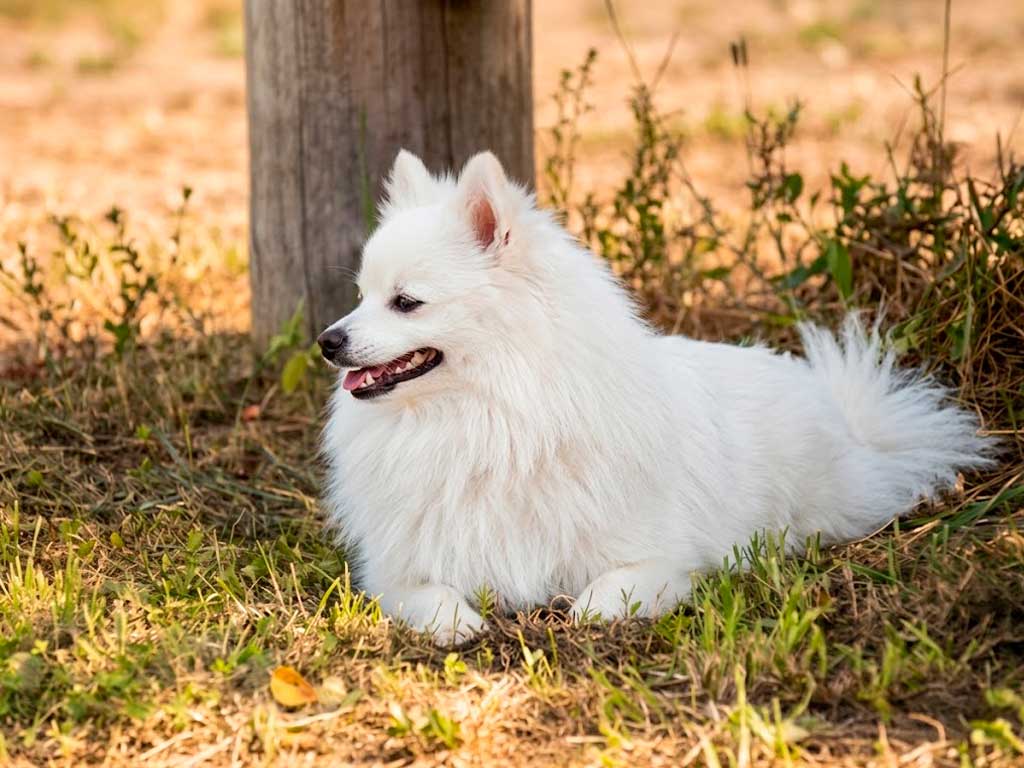
Long before this dog became a fluffy family companion, merchants and fishermen brought it aboard their ships as a working guard dog. The German Spitz Klein, the smaller of the two German Spitz sizes, spent centuries alerting sailors to trouble on deck, and that same alert, watchful nature is still very much part of the breed today.
Don’t let the compact size fool you. Here’s what’s worth knowing before this little watchdog joins your household.
History and Origin
This breed descends from Nordic herding dogs like the Samoyed, brought to Germany and the Netherlands by Vikings during the Middle Ages. Those dogs spread across Europe and crossbred with local herding lines, forming the broader spitz type we recognize today.
Trust me on this one: this wasn’t just a lapdog historically. Merchants and fishermen kept German Spitz aboard their vessels specifically as shipboard watchdogs, a job that suited the breed’s naturally alert, vocal temperament perfectly. Later, in Victorian England, breeders developed an even smaller size from this line, which became the Pomeranian we know today.
Physical Characteristics
Adults stand 9 to 11 inches tall and weigh 18 to 22 pounds, small and compact with the classic spitz look: a fox-like face, triangular ears, a plush double coat, and a tail that curls up over the back. The coat comes in essentially any color or combination.
Temperament and Personality
Happy, friendly, and genuinely well-balanced describes this breed accurately. Here’s the thing — nervousness or aggression shouldn’t show up in a well-bred German Spitz Klein, and most are enthusiastic participants in whatever the household is doing.
This breed thrives on human company and doesn’t handle long stretches alone particularly well. That shipboard watchdog instinct also means it’s genuinely alert and, honestly, quite talkative.
Care Guide
Diet and Nutrition
Small breeds burn energy fast and have tiny stomachs, so smaller, more frequent meals work better than one or two big feedings. Food formulated for small breeds is worth considering, since the kibble size and nutrient ratios fit this kind of dog. Our full nutrition guide covers the fundamentals.
Exercise Requirements
This breed needs relatively little exercise. About half an hour a day covers most adults, though it happily takes more, and it’s content keeping busy in the yard alongside its people.
Grooming Needs
A thorough brush several times a week, against the grain of the coat, prevents tangles from forming. Pay extra attention to the ears and elbows, since knots build up fastest in those spots, and expect a heavier shed once a year in males and twice a year in females.
Training and Education
This breed is generally easy enough for a first-time owner to handle, but that shipboard watchdog instinct means barking control deserves real priority in training. Positive, consistent sessions started early make a genuine difference.
Early socialization with other pets and people helps round out the temperament, especially given how naturally alert and vocal this breed tends to be.
Health and Longevity
This breed generally enjoys good health. Like many small breeds, it can be prone to hereditary eye disorders, so an eye check before breeding matters, along with watching for epilepsy and patellar luxation.
This isn’t meant as medical advice, just a heads-up worth knowing before you commit. Ask your vet about eye and joint screening at routine visits. With good care, this breed often lives 14 to 16 years.
Is This the Right Companion for You?
A German Spitz Klein suits someone who wants a small, devoted, alert companion and doesn’t mind a bit of barking in exchange for constant vigilance. First-time owners generally do well here, provided they’re ready for a genuinely chatty dog.
Curious about the larger sibling variety? The German Spitz Mittel shares the exact same bloodline in a bigger package, and the Pomeranian is an even smaller descendant developed in Victorian England. Browse the full dog breed library or try the Dog Breed Quiz to keep exploring.
Frequently Asked Questions
What’s the difference between the German Spitz Klein and Mittel?
Size is the main difference. The Klein stands 9 to 11 inches tall, while the Mittel runs larger at 12 to 15 inches, though both share the same ancestry and temperament.
Do German Spitz Klein dogs bark a lot?
Yes, this breed tends to be quite vocal, a trait rooted in its history as a shipboard watchdog. Early training around barking is genuinely worthwhile.
Is the German Spitz Klein good for first-time owners?
Generally yes. This breed is considered manageable for first-time owners, provided they’re prepared for regular grooming and its talkative nature.
How much exercise does a German Spitz Klein need?
About half an hour daily is enough for most adults. This breed doesn’t need intense exercise, though it happily takes more if offered.