BARF Diet for Puppies: Complete Feeding Guide
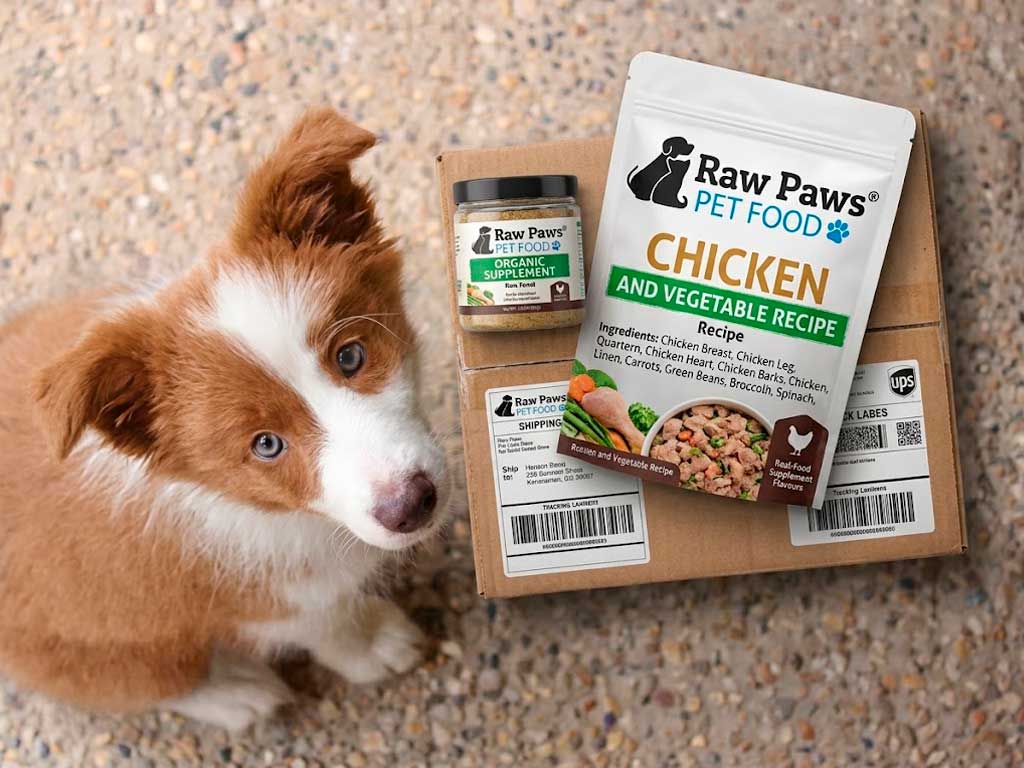
A BARF diet for puppies isn’t just a smaller version of the adult recipe. Get the ratios wrong during a growth spurt and you’re not looking at an upset stomach, you’re looking at a skeletal problem that follows the dog for life.
This guide walks through exactly how much to feed by age and size, the calcium math that actually matters, and the warning signs that mean it’s time to call your vet.
Read this before you switch a puppy under a year old to raw.
How Much Raw Food Should a Puppy Eat?
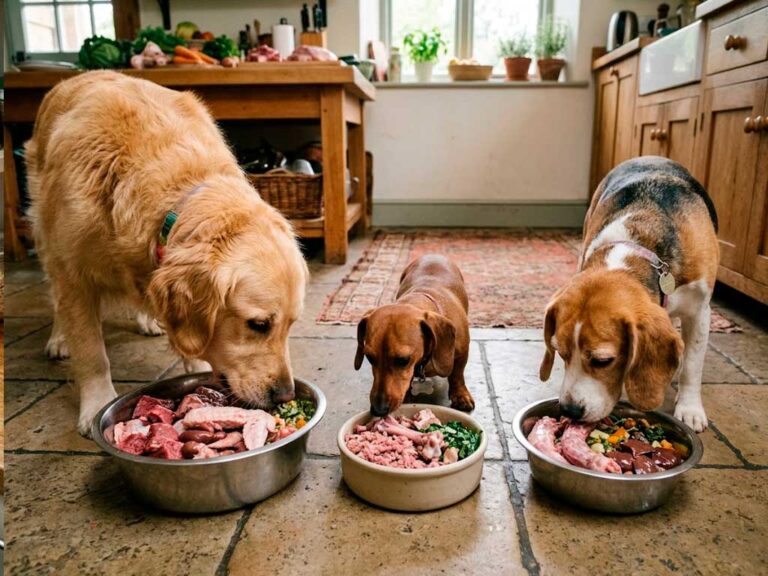
Puppies eat roughly 8% to 10% of their current body weight daily during the fastest growth phase, tapering down toward the adult 2% to 3% range as they approach full adult size, usually somewhere between 9 and 24 months depending on breed.
Rough guide by age:
- 8-12 weeks: around 10% of body weight, split across 4 meals
- 3-6 months: around 8% of body weight, split across 3 meals
- 6-12 months: around 5-6% of body weight, split across 2 to 3 meals, tapering as growth slows
- 12+ months for small and medium breeds, or 18-24 months for large and giant breeds: transition to the adult 2% to 3% range using the Raw Feeding Chart
These numbers are a starting point, not a prescription. Weigh your puppy every couple of weeks and adjust. If building each meal from scratch feels like too much during an already busy puppy stage, premade frozen raw puppy blends already portioned to these ratios can take some of the guesswork out.

START YOUR RAW FEEDING JOURNEY
Try Raw Paws for the First Time
New customers get a discount on their first order — the easiest way to see if raw feeding is right for your dog.
Claim Your First-Order DiscountHappy Pet Zone may earn a commission when you click through to Raw Paws, at no extra cost to you.
Puppy Growth Calculator: Get Today’s Exact Portion
Already past the puppy stage? Use the Adult Dog Feeding Calculator instead, the math changes once growth levels off.
Puppy Growth Calculator
Daily
Weekly
Calcium and Growth: The Non-Negotiable Ratio for Puppies
Adult dogs tolerate some slack in their calcium-to-phosphorus ratio. Puppies don’t get that same room, especially large and giant breeds still building their skeleton.
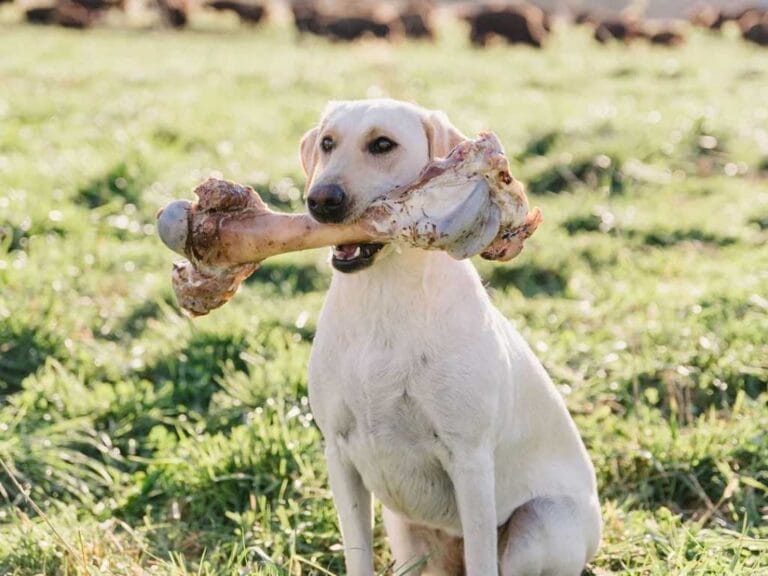
Aim for a ratio between 1:1 and 1.5:1 calcium to phosphorus, delivered mostly through raw meaty bone rather than supplements alone appropriately sized raw meaty bones for a puppy’s smaller mouth and developing teeth make this easier to get right. Too little calcium weakens developing bone.
Too much calcium, ironically, causes its own problems in large breed puppies by disrupting normal cartilage-to-bone conversion. This is the one place where more isn’t automatically better. Overusing calcium supplements on top of a bone-inclusive diet is a common, avoidable mistake.
Not sure whether your puppy needs anything beyond what the bone content provides? The raw dog food supplements guide breaks down what’s actually necessary and what’s just marketing.
Large Breed vs Small Breed Puppies: Why Growth Rate Changes the Math
A Chihuahua reaches adult size around 9 months. A Great Dane keeps growing past 18 months, sometimes closer to 24. That gap changes everything about how carefully you need to manage growth rate.
Large and giant breed puppies do better growing slowly and steadily rather than fast. Overfeeding calories during that long growth window gets linked to joint problems later, hip dysplasia and osteochondrosis among them.
If you’ve got a large breed puppy, resist the urge to over-supplement thinking more nutrients means better growth. Slow and steady wins here.
Feeding Frequency by Age
Puppies can’t eat their whole daily portion in one sitting the way adult dogs can. Their stomachs are small and their energy needs run high.
- 8-12 weeks: 4 meals a day
- 3-6 months: 3 meals a day
- 6-12 months: 2 to 3 meals a day
- Adult: 1 to 2 meals a day, matching the schedule in the Raw Feeding Chart and if you’re using treats during training, freeze-dried training treats are easy to fold into the daily total since each piece weighs about the same
Starting a Puppy on BARF: Weaning and First Transitions
Puppies can start on raw as early as 3 to 4 weeks, alongside weaning off their mother’s milk, if you’re raising from birth. Start with a soft ground mix rather than chunks or bone-in pieces at that age.
If you’re adopting a puppy already eating kibble, the transition works the same way it does for adult dogs. Just watch digestion more closely, since young digestive systems are less forgiving of sudden changes. One adjustment worth making: feed raw and kibble as separate meals rather than mixed in the same bowl during the switch the two digest at different speeds, and keeping them apart tends to sit easier on a puppy’s stomach than blending them together.
Give a new puppy’s gut two to three days on any given ratio before you judge whether it’s working. Stool that’s a little soft for the first couple of days often settles on its own.
Safe Extras: What You Can Add to a Puppy’s Bowl
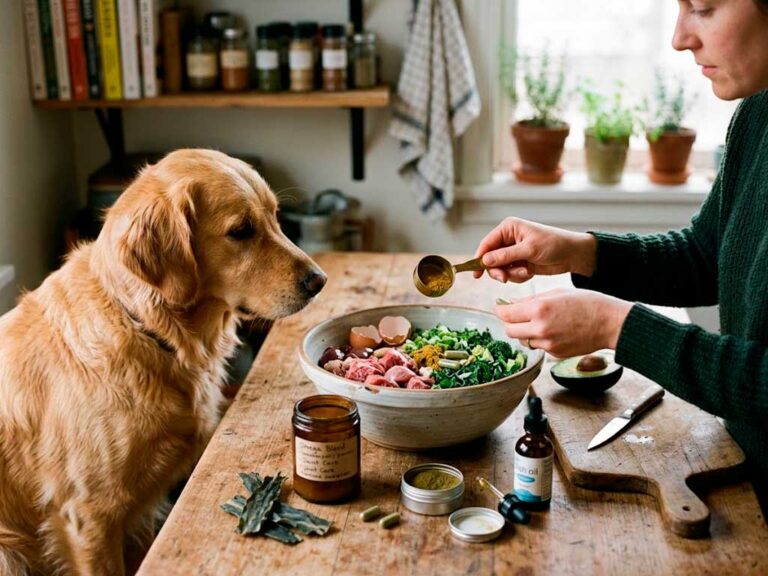
A properly balanced raw meal doesn’t need anything added to be complete, but plenty of raw feeders like to mix in small extras for variety or as a training aid. None of these replace the core ratio they sit on top of it.
Plain kefir or a spoonful of cottage cheese for gut support.
a small amount of coconut oil for coat and skin, added gradually since too much too fast can upset digestion.
A slice of apple or other dog-safe fruit as an occasional extra, not a daily staple.
A small piece of cooked, boneless chicken left over from your own meal, on occasion.
Keep portions of any extra small relative to the main meal, and count anything you add toward the daily total it’s easy to accidentally overfeed a puppy one spoonful at a time. Check with your vet before adding anything new if your puppy is a large or giant breed, since their calcium sensitivity means even well-intentioned extras deserve a second look.
Warning Signs to Watch For During Growth
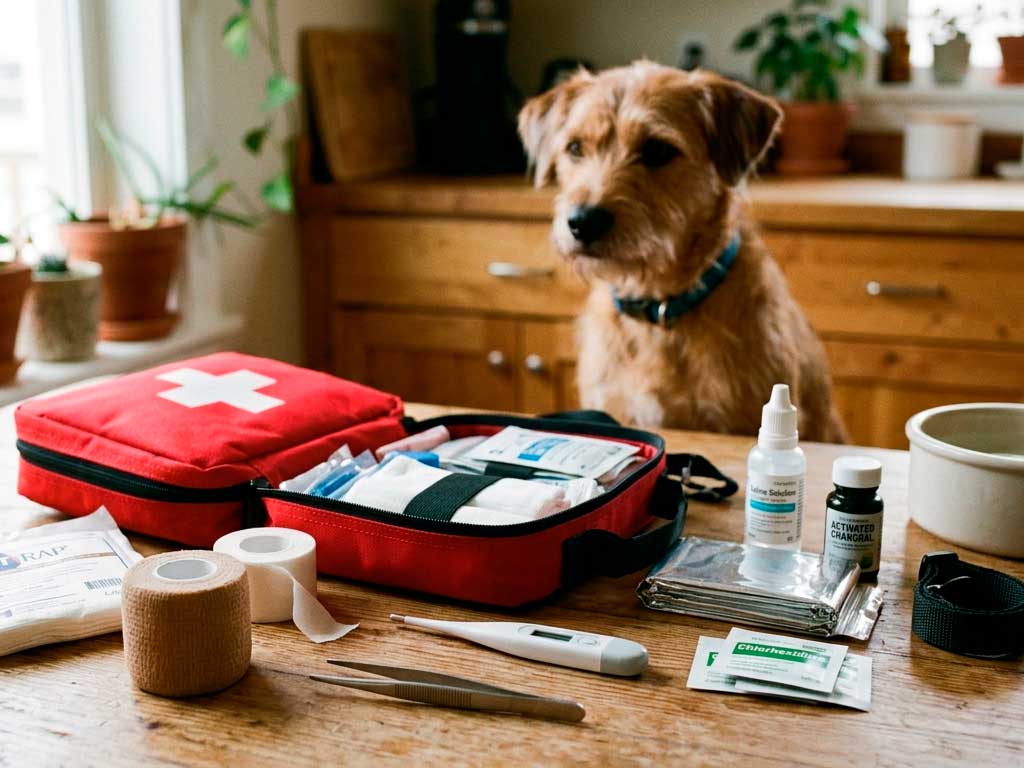
Call your vet if you notice limping that comes and goes, reluctance to get up after resting, or a puppy that seems to be growing unevenly, one leg thicker than another, for example.
These can be early signs of panosteitis or a developmental joint issue, and catching them early makes a real difference. It’s not something to wait out.
A growth check with your vet around the 4, 8, and 12-month marks is worth the visit, even if nothing looks wrong. Weight and bone development on a raw diet benefit from that outside check-in.
FROM RAW PAWS PET FOOD
Small-Batch, Farm-Traceable Raw Food
80/10/10 signature blends made with real, whole ingredients — shipped frozen straight to your door.
Shop Raw Paws Pet FoodHappy Pet Zone may earn a commission when you click through to Raw Paws, at no extra cost to you.
What Comes Next
Once your puppy’s ratios and meal schedule are dialed in, breed matters more than almost anything else for how the rest of their raw feeding journey goes. Since those ratios shift every few weeks during growth, setting up autoship on your core proteins is one less thing to track manually while everything else is changing. I cover the specifics for popular breeds, including growth timelines and bone size considerations, in a dedicated breed guide.
Frequently Asked Questions
Get Your Puppy’s Growth on Track
Start with the percentage that matches your puppy’s current age, not their expected adult weight. Recalculate every couple of weeks since puppies change fast.
For today’s exact ounces, use the calculator above. Once your puppy reaches adult size, the Raw Feeding Chart and its own calculator take over. For everything else that goes in the bowl, start with the complete BARF diet guide.