Old English Sheepdog: Temperament, Care & What Life With One Really Looks Like
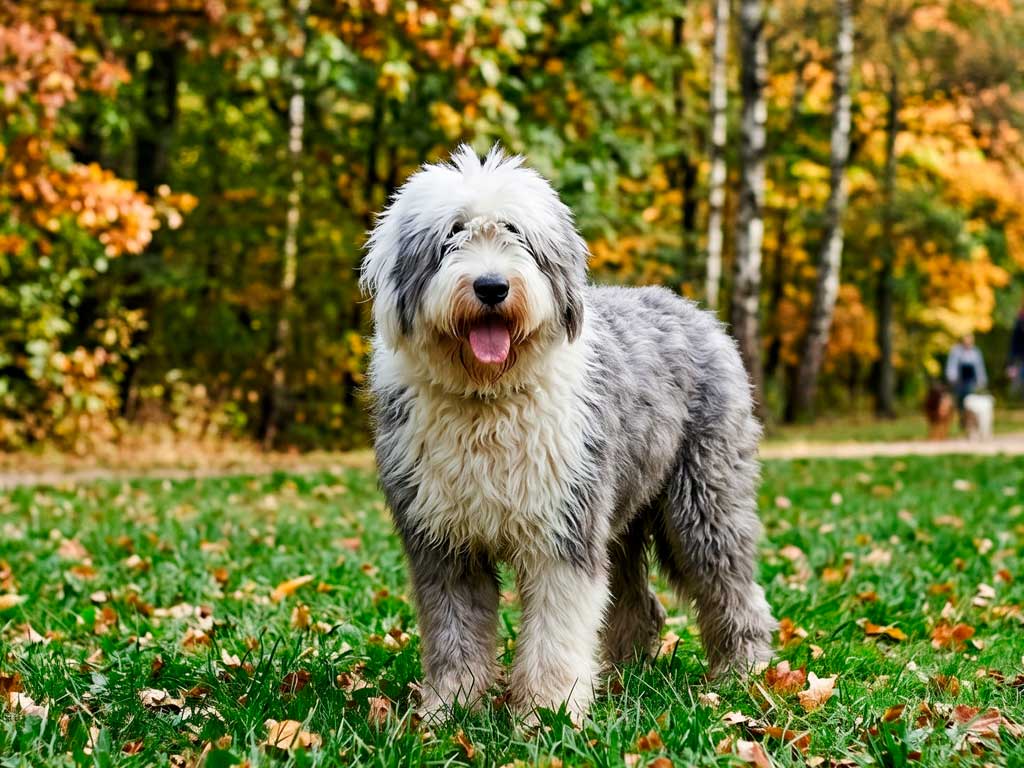
If you’ve ever seen a big, fluffy dog waddling across a field like a cheerful cloud on legs — that was probably an Old English Sheepdog.
This breed turns heads everywhere it goes. And for good reason.
In this guide, you’ll get a full breakdown of the Old English Sheepdog: its history, personality, care needs, health risks, and whether it’s the right dog for your lifestyle.
History and Origin
The Old English Sheepdog — affectionately called the Bobtail — has roots in 18th-century England. Most breed historians trace its origin to the mid-1700s, when drovers in the English countryside needed a tough, agile dog to move livestock from farms to markets.
The breed likely descended from a mix of European herding dogs, including the Bergamasco, the Bearded Collie, the Briard, and possibly the Armant. Each of these contributed to the OES’s combination of endurance, intelligence, and weather-resistant coat.
Here’s the interesting part behind the name “Bobtail.”
In 18th-century England, working droving dogs were exempt from taxation. To identify these tax-exempt dogs, their tails were docked — bob meaning to cut and tail referring to, well, the tail. The name stuck, and today many Old English Sheepdogs are still born with naturally short or absent tails.
The breed became a Victorian status symbol during the industrial era in the United States. Families like the Vanderbilts, Morgans, and Guggenheims kept them as prized companions. Later, the Bobtail became globally recognizable as the mascot for the UK paint brand Dulux — a role that cemented its iconic image worldwide.
Physical Characteristics
The Old English Sheepdog is unmistakable.
- Height: Males 61 cm (24 in) and above; Females 56 cm (22 in) and above
- Weight: Males from 36 kg (80 lbs); Females from 30 kg (66 lbs)
- Coat: Long, thick, shaggy double coat — profuse all over the body and head
- Colors: Any shade of grey, grizzle, or blue, with or without white markings
- Tail: Naturally bobbed or docked very short
Their coat is not just aesthetic. It is also functional. The outer layer is weather-resistant and the undercoat provides insulation in both cold winters and hot summers. Despite appearances, OES dogs can see perfectly fine — the hair over their eyes does not impair their vision.
One feature that surprises new owners: these dogs carry themselves with a characteristic rolling, bear-like gait. It is distinctive, memorable, and — frankly — charming.
Temperament and Personality
Old English Sheepdogs are playful, affectionate, and exuberant.
They are social animals that thrive on human interaction. They do not like being left alone for extended periods — scoring just 2 out of 5 on tolerance for solitude. Leave one home too long and you will likely return to a redecorated living room.
With families, however, they are outstanding companions. They score 4 out of 5 for family compatibility and get along well with other pets given proper introduction and early socialization.
A few personality traits that define this breed:
- Fearless and alert — They make excellent watchdogs. Their bark is loud, resonant, and effective.
- Enthusiastic joiners — They want to be part of everything. Cooking dinner? They’ll supervise. Garden project? They’re there.
- Gentle but boisterous — Their size and energy can accidentally knock over small children during play, so supervision around toddlers is recommended.
- Intelligent but stubborn — They are smart enough to learn commands quickly and clever enough to ignore them when it suits them.
Early socialization and training are non-negotiable with this breed. Without structure, their natural exuberance turns into difficult behavior.
Care Guide
Diet and Nutrition
The Old English Sheepdog is a large breed dog with a correspondingly large appetite — and specific nutritional needs.
Large breeds require a different balance of minerals, vitamins, and calories than smaller dogs. Look for foods specifically formulated for large or giant breeds, particularly those that support joint health through appropriate levels of calcium and phosphorus.
One critical concern: the OES is prone to bloat (Gastric Dilatation-Volvulus or GDV), a potentially life-threatening condition where the stomach fills with gas and twists. To reduce risk:
- Feed two to three smaller meals per day rather than one large one
- Avoid vigorous exercise for at least an hour before and after eating
- Use a slow-feeder bowl if your dog eats quickly
Additionally, watch portion sizes. A sedentary Bobtail can gain weight rapidly, which puts extra strain on joints already at risk for hip dysplasia.
Exercise Requirements
Old English Sheepdogs are high-energy dogs. They need one to two hours of active exercise per day — not just a casual stroll around the block.
This breed was built to work all day in open fields. That instinct doesn’t disappear in a domestic setting. Without adequate physical activity, they become destructive, noisy, and anxious.
However — and this is important — puppies require careful management of exercise.
Young OES dogs with developing joints should not be over-exercised. Too much high-impact activity before 12–18 months can contribute to bone and joint problems later in life. Short, frequent walks and supervised free play are better than long runs during puppyhood.
As adults, they excel at hiking, agility, obedience sports, and herding activities. Mental stimulation is just as important as physical exercise for this intelligent breed.
Grooming Needs
There is no gentle way to say this: the Old English Sheepdog is one of the most demanding breeds when it comes to grooming.
Their thick double coat requires daily brushing to prevent matting and tangles. When puppies transition from their soft puppy coat to their adult coat, this process is especially critical. If the old coat becomes entangled with the new growth and is left unattended, the only solution may be a full clip — starting from scratch.
Here is what a regular grooming routine looks like:
- Daily: Full body brush with a pin brush and slicker, paying close attention to behind the ears, armpits, and around the collar
- Weekly: Check paws and footpads for debris, dirt, or matting between the toes
- Monthly: Bathe as needed; trim around the eyes and sanitary areas
- Every few months: Professional grooming or a full coat clip in summer months
Their shaggy coat also picks up dirt, mud, and food easily. The beard in particular tends to stay wet after drinking. Keep towels nearby — you will use them.
Training and Education
Old English Sheepdogs are intelligent dogs, but they have an independent streak.
They respond best to positive reinforcement methods — treats, praise, and play. Harsh corrections do not work with this breed. They shut down or become resistant. Patience and consistency produce far better results.
Priorities for training:
- Basic obedience — sit, stay, recall, leash manners. Start at 8 weeks.
- Socialization — expose puppies to children, strangers, other animals, traffic, and different environments early.
- Impulse control — their size means jumping up or pulling on leash can become a serious problem fast.
- Alone training — gradually teach them to be comfortable with short periods of solitude to prevent separation anxiety.
Group puppy classes are highly recommended. Beyond the commands, they help puppies learn how to behave calmly around other dogs and people — something this social, attention-loving breed genuinely enjoys.
The OES scores 3 out of 5 for trainability. Not the most biddable herder on the list, but with the right approach, they are capable and engaged learners.
Health and Longevity
Life expectancy: 10–12 years
The Old English Sheepdog is a generally healthy breed, but like all large dogs, it carries certain breed-specific health risks. Responsible breeders screen for the following conditions:
- Hip Dysplasia — Abnormal development of the hip joint causing pain and lameness. A hip evaluation program is strongly recommended before breeding.
- Gastric Dilatation-Volvulus (Bloat) — A life-threatening emergency. Knowing the symptoms (distended abdomen, unsuccessful retching, restlessness) can save your dog’s life.
- Hereditary Cataracts — Progressive clouding of the eye lens that can lead to blindness. Regular ophthalmic exams are essential.
- Primary Ciliary Dyskinesia — A condition affecting the respiratory tract’s ability to clear mucus, potentially leading to chronic lung issues.
- Congenital Deafness — More common in dogs with significant white pigmentation around the head.
- Multi-Drug Sensitivity (MDR1/ABCB1 mutation) — A genetic mutation that causes abnormal reactions to certain common medications, including some antiparasitic drugs. A DNA test can confirm status.
Before purchasing a puppy, always ask breeders for evidence of hip scoring certificates and current eye examination results for both parents.
Is This the Right Dog for You?
The Old English Sheepdog is a spectacular companion — but it is not for everyone.
This breed thrives with:
- Active families or individuals with time for 1–2 hours of daily exercise
- Owners who enjoy grooming or are willing to budget for professional grooming
- Households with other pets (with proper introduction)
- People who work from home or have flexible schedules
- Owners with experience managing large, independent breeds
This breed is not ideal for:
- First-time dog owners without a commitment to training
- People in small apartments with no outdoor access
- Busy households where the dog will be alone for long stretches
- Anyone who wants a low-maintenance, wash-and-go dog
Their energy level (4/5), grooming demands, and need for daily companionship make them a serious commitment. But for the right family? They are an absolute joy.
FAQs
How much does an Old English Sheepdog cost?
In the US and UK, purchasing an OES from a reputable breeder typically costs between $1,500–$3,500 (or £1,200–£2,500 in the UK). Price varies depending on lineage, breeder reputation, and health certifications. Always insist on documented health screenings for hips and eyes before committing.
Do Old English Sheepdogs shed a lot?
Surprisingly, the OES is considered a relatively low shedder (1 out of 5). However, their dense double coat still requires intensive daily brushing to prevent mats. They do not leave hair all over the sofa, but they demand significant time and effort to maintain their coat properly.
Can Old English Sheepdogs live in apartments?
It is possible but challenging. The OES is a large, high-energy breed that does best in a home with outdoor space. If you live in an apartment, you must commit to multiple long walks and enrichment activities every single day. Without sufficient exercise, apartment life can lead to destructive behavior and anxiety.
Are Old English Sheepdogs good with children?
Generally, yes — they are affectionate and playful family dogs. However, their size and boisterous energy mean they can accidentally knock over toddlers during enthusiastic play. Supervision is always recommended around small children, and early socialization helps the dog learn appropriate behavior.
How often does an Old English Sheepdog need to be groomed?
Daily brushing is essential to prevent matting. Professional grooming every 6–8 weeks is strongly recommended, especially during the puppy-to-adult coat transition. Many owners opt for a shorter “pet trim” clip in warmer months to reduce grooming time and keep the dog comfortable.