Best Hang-On-Back Aquarium Filter: Aqueon, AquaClear, and Seachem Tidal Compared
Let’s be honest: keeping an aquarium crystal clear can sometimes feel like a part-time job. Between managing water parameters, feeding, and scraping algae, the last thing you need is a noisy, unreliable filter that leaks or fails to restart after a brief power outage.
Hang-on-back (HOB) filters are the undisputed kings of convenience in the aquarium hobby. But with so many options claiming to be the “quietest” or the “most powerful,” how do you cut through the marketing fluff?
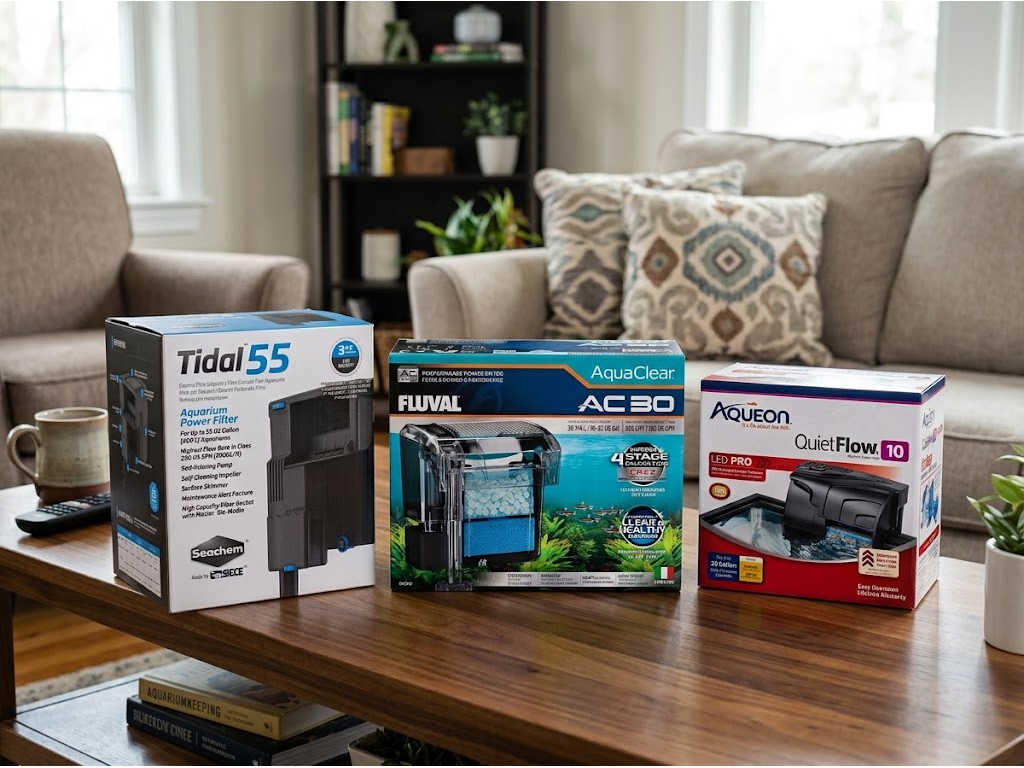
At Happy Pet Zone, we’ve analyzed the long-term performance, biological capacity, and real-world quirks of three of the most popular HOB filter lines on the market: the Aqueon QuietFlow PRO, the AquaClear Power Filter, and the Seachem Tidal.
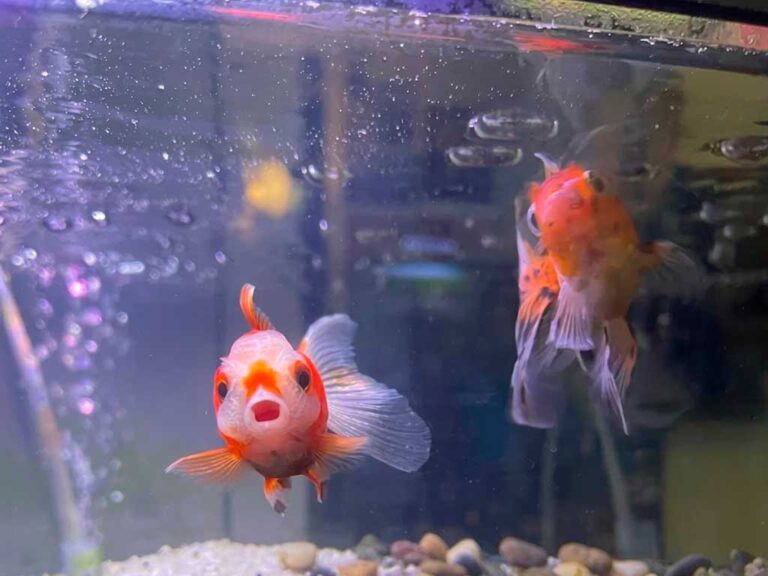
Disclaimer: Proper filtration is critical for your aquatic pets’ health. Always ensure your chosen filter is rated appropriately for your tank’s bio-load, and remember that overstocked tanks or heavy waste-producers (like goldfish) will require double the standard filtration recommendations.
Note: This post contains affiliate links. If you purchase through them, Happy Pet Zone earns a small commission at no extra cost to you. We only recommend products we believe are genuinely useful for your setup.
| Filter Model | Capacity | Rating | Action |
|---|---|---|---|
| Aqueon QuietFlow 10 LED PRO | Up to 20 Gallons | 4.2 ★ (6,374) | View Details |
| AquaClear 30 Power Filter | 10 – 30 Gallons | 4.2 ★ (4,585) | View Details |
| Seachem Tidal 35 | Up to 35 Gallons | 4.5 ★ (2,674) | View Details |
1. Aqueon QuietFlow LED PRO: The Beginner’s Best Friend

What it is
The Aqueon QuietFlow is a straightforward, cartridge-based power filter designed for maximum convenience. Its standout feature is its internal pump design, which sits directly in the water rather than outside the tank.
Who it is for
This is the ultimate choice for beginners or aquarists on a strict budget who want a “plug-and-play” system without the hassle of measuring out custom filter media. It is perfect for standard community tanks containing tetras, mollies, or rasboras.
Pros & Cons
- Pros:
- Self-Priming: Because the motor is submerged, it starts up instantly after a power outage or water change. No pouring water into the back to get it going!
- Whisper Quiet: The internal motor design effectively dampens vibration noise.
- Budget-Friendly: One of the most affordable entry-level options on the market.
- Cons:
- Cartridge Reliance: It uses standard carbon cartridges, which are expensive to replace continually and disrupt your biological cycle when thrown away.
- Durability Concerns: Long-term performance tests indicate that the motors on these units can sometimes suffer premature fatigue, requiring a full unit replacement within a year or two.
- Flow Rate: The output can be a bit too strong for still-water lovers like Bettas, yet insufficient for heavy-waste producers like Goldfish.
Which QuietFlow Size Do You Need?
The QuietFlow line runs from the 10 up through the 75, and the model number tracks the gallons-per-hour rating more than a hard tank-size cap, so it pays to size up rather than match exactly.
A common rule of thumb is four to six times your tank’s volume in GPH: a 20-gallon community tank does well with a QuietFlow 20 or 30, while a heavily stocked 50-gallon setup calls for the 50 or the 75.
Bettas and other still-water fish tend to do better one size down from that range, since the submerged pump pushes a fair amount of current for its footprint.
Field Experience
The convenience of the Aqueon QuietFlow is hard to beat, especially the peace of mind that comes with a genuinely self-priming motor. However, the proprietary cartridges are a weak point for biological filtration.
Our expert tip: Ditch the carbon cartridges. Instead, slip a pre-filter sponge over the intake tube and stuff the internal housing with reusable bio-media.
This drastically reduces maintenance costs and creates a much healthier bacterial colony. One honest caveat worth knowing before you buy: reliability seems to vary by batch.
Plenty of owners run the same unit for years without issue, but a meaningful number report a motor failure somewhere between eight months and two years in, especially on tanks running non-stop. It’s not a dealbreaker at this price point, just something to budget for.
Before your first plug-in, fill the housing with non-chlorinated water so the pump never has to run dry, even briefly, and if you keep live plants, check the intake tube occasionally, since a stray leaf will happily park itself right at the mouth of the tube.
2. AquaClear Power Filter: The Customizable Classic

What it is
Manufactured by Fluval, the AquaClear is legendary in the fishkeeping world. It abandons the restrictive “slide-in cartridge” design in favor of a massive, open media basket. It forces water from the bottom of the unit up through the media, ensuring zero bypass.
Who it is for
Intermediate to advanced hobbyists who want canister-filter-level customization in a hang-on-back format. If you prefer building your own stack of mechanical sponges, chemical resins (like Purigen), and ceramic bio-rings, this is your filter.
Pros & Cons
- Pros:
- Massive Media Capacity: Holds up to seven times more filtration volume than comparable cartridge filters.
- Bottom-to-Top Flow: Forces water through every layer of media for maximum contact time.
- Reusable Media: Comes with a durable sponge and bio-rings that last for years just rinse them in tank water!
- Cons:
- Requires Priming: If the power goes out, you must manually fill the reservoir with water before plugging it back in, or you risk burning out the motor.
- Lid Rattle: The thin plastic lid is notorious for vibrating and causing an annoying buzzing sound.
- Bypass Risks: If you neglect cleaning the sponge, the water can back up and potentially overflow.
Which AquaClear Size Do You Need?
AquaClear comes in five sizes, the 20, 30, 50, 70, and 110, each named for its output rather than a strict tank-size ceiling. Long-time owners generally size up a notch instead of matching the tank exactly, since a 30 running right at the floor of a 20-gallon tank does a lot less work than a 50 with breathing room.
Past 50 gallons, plenty of experienced hobbyists move to a canister filter entirely; even the 110 can start to feel undersized once a tank is heavily stocked.
Field Experience
The AquaClear is a true workhorse, but it has a brief “break-in” period. Out of the box, the impeller can sound a bit grindy, but once a healthy biological slime coat builds up inside the housing (usually after a week), it silences itself beautifully.
As for the infamous lid rattle? A simple rubber band or a small weight placed on top instantly solves the problem.
What keeps people loyal to this line long-term is the media flexibility: since it’s an open basket rather than a locked cartridge slot, you can run anything you want in there, sponge, activated carbon, ceramic bio-rings, peat, Purigen, in whatever combination your water chemistry actually needs. That’s a real advantage over cartridge-based filters, where you’re stuck with whatever the manufacturer packed in.
3. Seachem Tidal Power Filter: The Premium Hybrid

What it is
The Seachem Tidal attempts to marry the best features of both worlds: the massive custom media basket of the AquaClear, combined with the submerged, self-priming pump of the Aqueon. It also features a built-in surface skimmer to remove oily biofilms from the top of the water.
Who it is for
Tech-loving aquarists willing to pay a premium for high-end features. It is ideal for heavily planted tanks or setups where surface agitation and biofilm removal are priorities.
Pros & Cons
- Pros:
- Self-Priming Pump: Starts immediately without manual filling, making it power-outage proof.
- Surface Skimmer: Excellent for keeping the water surface crystal clear to maximize light penetration.
- Maintenance Alert: A blue indicator pops up when the media is clogged, taking the guesswork out of cleaning day.
- Cons:
- Water Level Sensitive: The skimmer demands that you keep your aquarium water topped off completely. If the water level drops due to evaporation, it creates a loud, obnoxious gurgling sound.
- Sparse Included Media: While it comes with Seachem’s excellent Matrix bio-media, the basket is so large that you will need to purchase extra filter floss or sponges to fill the void.
- Price Point: Significantly more expensive than basic HOB filters.
Which Tidal Size Do You Need?
Seachem sells the Tidal in four sizes, the 35, 55, 75, and 110, again named for gallons-per-hour output. Because the surface skimmer needs a specific water level to run quietly, matching the size closely to your actual tank works better here than the AquaClear’s size-up approach; too much flow on a small tank just makes the skimmer noisier, not more effective.
Field Experience
The Tidal is a brilliantly engineered piece of equipment, but it is high-maintenance regarding water levels. If you are diligent about your weekly top-offs, it operates silently. However, we’ve noticed that the dual-intake system (bottom tube and surface skimmer) can sometimes make the lower intake feel a bit weak in larger tanks.
Adding your own fine filter floss is practically mandatory to polish the water effectively. Two more things worth knowing before you buy: the minimum waterline needs to sit close to the top of the tank, generally within about two inches, or the skimmer starts gurgling.
And the intake can pull in baby shrimp and very small fry if you don’t add a pre-filter sponge over the tube. Advanced users sometimes disable the skimmer function entirely and add a small o-ring to the flow-control shaft for extra-fine adjustment on nano and shrimp tanks, but that’s an optional mod, not something you need out of the box.
Frequently Asked Questions
The Final Verdict: Which should you choose?
Selecting the best hang on back aquarium filter ultimately comes down to your experience level and maintenance habits:
- Choose the Aqueon QuietFlow if you are a beginner looking for an affordable, whisper-quiet, and self-starting filter for a basic community tank. Just be prepared to upgrade the media yourself to save money down the line.
- Choose the AquaClear if you are an established hobbyist who demands total control over your filter media and wants proven, long-lasting biological filtration.
- Choose the Seachem Tidal if you want top-tier features, hate priming filters, and have the budget and the discipline to keep your tank’s water level consistently topped off.
For the bigger picture on filter types beyond HOB units, our complete aquarium filtration guide covers canisters, sponge filters, and the science of biofiltration.