Types of Pet Insurance Plans Explained

Ever stared at three plan options that all sound almost identical and had no idea which one actually fits your dog or cat? You’re not alone, and the confusing naming conventions each insurer uses don’t make comparing them any easier.
There are really only a handful of plan structures out there, once you strip away the marketing language each provider uses to make its version sound unique. Understanding them makes every other decision about coverage easier.
Quick answer: The main types are accident-only, accident and illness, and wellness plans, which usually layer on top of one of the first two. Accident-only is the cheapest and covers the least. Accident and illness is the most common choice and covers most of what actually drains a savings account.
Accident Only Pet Insurance
Accident only pet insurance covers injuries from sudden, unexpected events: broken bones, swallowed objects, being hit by a car, cuts requiring stitches.
It does not cover illnesses of any kind, even ones that show up suddenly. A dog diagnosed with cancer, a cat that develops a urinary blockage, an infection that requires treatment: none of that falls under accident-only coverage.
This is the cheapest plan type by a wide margin, often under $20 a month. It works best for owners on a tight budget who still want protection against the most dramatic, sudden expenses, while accepting the risk that illness-related bills fall entirely on them.
Accident and Illness Pet Insurance
Accident and illness pet insurance covers everything accident-only does, plus diagnosed illnesses: cancer, infections, digestive issues, allergies, chronic conditions, and more.
This is the plan type most owners end up choosing, and for good reason. Illness claims tend to be more expensive and more likely over a pet’s lifetime than accident claims, especially as pets age.
Pricing runs meaningfully higher than accident-only, but the coverage gap it closes is usually the reason people buy insurance in the first place. If you’re choosing between the two and unsure, accident and illness is the safer default for most pets.
Pet Insurance Wellness Plans
A pet insurance wellness plan isn’t really insurance in the traditional sense. It’s closer to a prepaid care membership layered on top of an accident-only or accident and illness policy.
Wellness plans typically reimburse routine costs: annual exams, vaccines, flea and heartworm prevention, sometimes dental cleanings. None of this is unpredictable the way an accident or illness claim is, which is exactly why it’s structured differently.
Whether a wellness add-on makes financial sense depends on how much you already spend on routine care. Run the numbers on what you typically pay for annual visits and preventive treatments before assuming the add-on saves you money.
Wellness Plans for Dogs
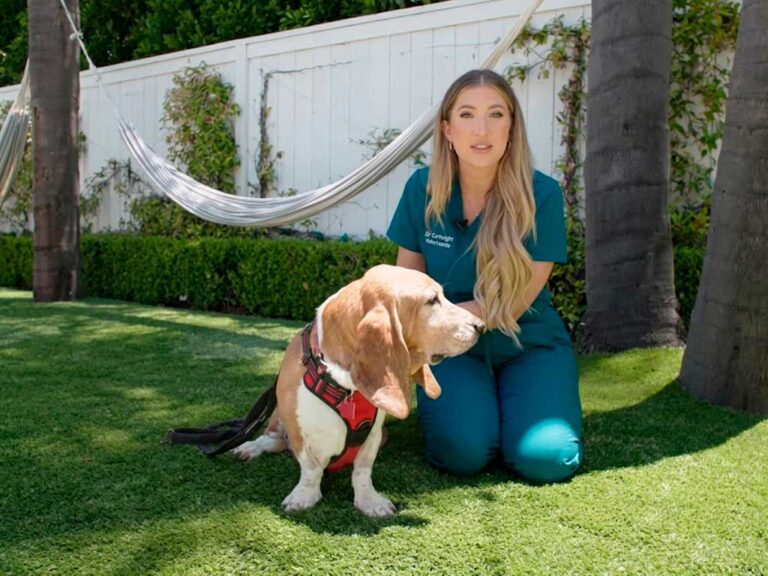
Wellness plans for dogs usually cover a fairly predictable list: annual exams, core vaccines, heartworm testing and prevention, and flea and tick prevention.
Some plans extend further into dental cleanings, spay or neuter costs, or microchipping, though this varies significantly between providers. Puppies tend to get the most value from a wellness add-on, since their first year involves a concentrated round of vaccines and vet visits that adds up fast.
For an adult dog with a simple annual checkup routine, the math is less clear-cut. It’s worth comparing the add-on’s monthly cost against what you’d actually spend on routine visits without it.
Lifetime vs. Time-Limited Coverage
Beyond the accident, illness, and wellness split, there’s a second layer that matters just as much: how long a condition stays covered once it’s diagnosed.
Lifetime cover renews your illness allowance every year for as long as you keep the policy active without a break. A chronic condition diagnosed in year two stays covered in year five, year eight, and beyond, as long as premiums keep getting paid.
Time-limited cover caps a specific condition at either 12 months or a set dollar amount, whichever comes first. Once that cap is reached, that condition is closed off for good, even if you keep paying premiums for other coverage.
This distinction matters enormously for chronic or ongoing conditions. A dog diagnosed with a lifelong condition under a time-limited policy can lose coverage for it entirely within a year, right when ongoing management costs are just getting started.
Different Types of Pet Insurance, Side by Side
Laid out plainly, the different types of pet insurance break down like this: accident-only is cheap and narrow, accident and illness is moderate-cost and broad, and wellness is an optional layer on top that trades predictability for routine-cost coverage.

FROM LEMONADE
Pet insurance with super fast everything
Sign up in seconds. Get paid in minutes. Award-winning service.
Carefully crafted in collaboration with our vet team and lots of excited pet parents.
Happy Pet Zone may earn a commission when you click through to Lemonade, at no extra cost to you.
Lifetime versus time-limited is a separate axis entirely, describing how long coverage lasts rather than what it covers. A policy can be accident and illness with lifetime cover, or accident and illness with time-limited cover, and the two versions behave very differently for a pet with an ongoing condition.
Other Add-Ons Worth Knowing About
Beyond wellness, a few other riders show up across different providers, and it’s worth knowing they exist even if you don’t end up needing them.
Exam fee coverage reimburses the cost of the vet visit itself, not just the treatment, which some standard policies leave out by default. Dental illness coverage specifically addresses gum disease and tooth decay, separate from accident-related dental injuries that a standard plan usually covers already.
Behavioral therapy coverage is less common but shows up with some providers, covering consultations for anxiety, aggression, or other behavioral issues that require professional treatment. None of these are essential for every pet, but they’re worth asking about if your specific pet has a known need in one of these areas.
Accident and Illness Pet Insurance: What Gets Excluded Either Way
Regardless of which plan type you choose, a few categories stay excluded almost universally. Pre-existing conditions top the list, followed by cosmetic procedures, breeding-related costs, and often behavioral training unless you’ve specifically added that coverage.
Knowing what stays excluded no matter which plan you pick helps set realistic expectations before you compare pricing. No plan type, however comprehensive, functions as a blank check for every possible vet expense.
How to Choose the Right Plan Type
Start with your pet’s actual risk profile rather than the cheapest sticker price. A young, healthy pet with a low-risk breed can reasonably start with accident-only and upgrade later if needed.
An older pet, a breed with known hereditary risks, or a household that can’t easily absorb a $3,000 surprise bill is usually better served by accident and illness from the start. See what each plan type typically costs before deciding, since the price gap between accident-only and full coverage varies more than most owners expect.
If chronic conditions run in your pet’s breed, lifetime cover is worth the higher premium over time-limited, since it protects you from losing coverage right when you need it most. Pre-existing conditions work differently depending on which plan you choose, so it’s worth understanding both before you commit to a policy.
Match the Plan to Your Pet
None of these plan types is universally correct. The right choice depends on your pet’s age, breed risk, and how much financial cushion you already have for a surprise bill, and there’s no shame in starting simple and upgrading coverage as your circumstances change.
Once you know which structure fits, the rest of the decision gets a lot simpler. Go back to our complete pet insurance guide for how plan type fits together with cost and coverage overall.