What Can You Give a Dog That’s Been Poisoned?
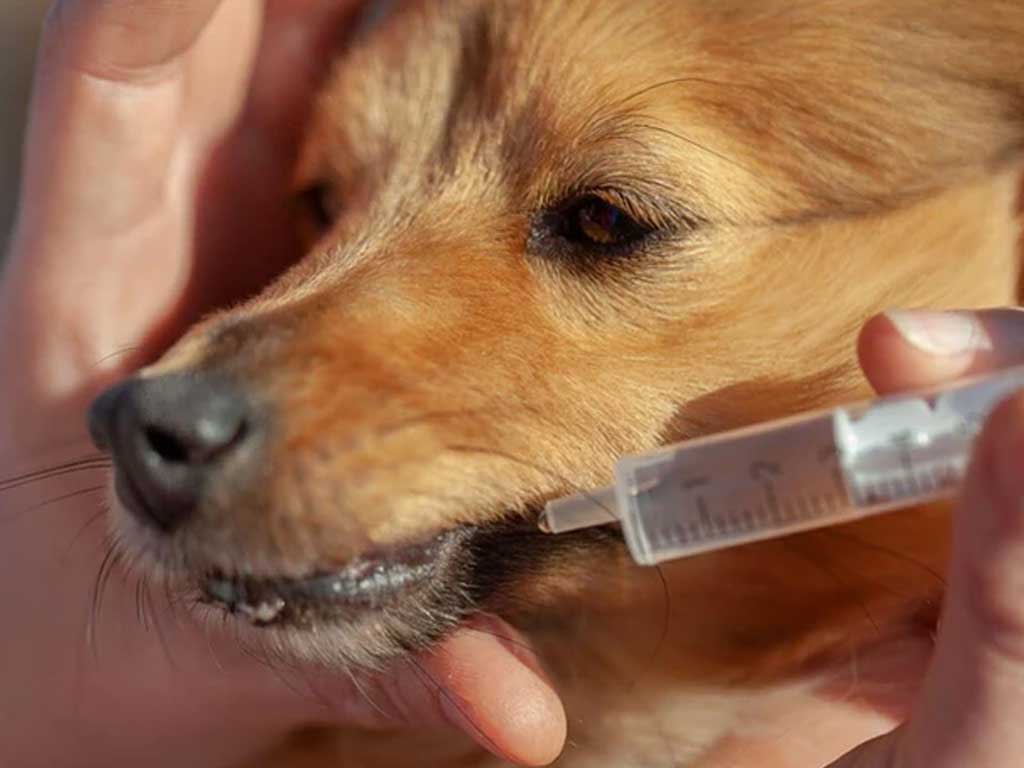
Imagine walking into your kitchen and finding your dog chewing on a bottle of medication, a chocolate wrapper, or a piece of rat bait. Within seconds, panic takes over, and one question races through your mind: what can you give a dog that’s been poisoned before it’s too late?
The answer isn’t as simple as reaching for a household remedy. Some emergency treatments can buy valuable time, while others may actually make the poisoning much worse.
According to the ASPCA Animal Poison Control Center, thousands of dogs are accidentally poisoned every year, and nearly 90% of those cases happen inside the home. Everyday items such as chocolate, xylitol, toxic plants, medications, and cleaning products are among the most common culprits.
This comprehensive guide explains exactly what to do during the first critical minutes, how to recognize the symptoms of a poisoned dog, when traditional home remedies may or may not help, and what veterinarians recommend based on current medical knowledge.
You’ll also learn how different poisons affect the body, what happens during treatment, and the best ways to prevent poisoning from happening again.
The first few minutes can determine your dog’s outcome. Let’s begin with the most important facts every dog owner should know.
Quick Answer
If you’re looking for what can you give a dog that’s been poisoned, the safest answer is this:
Contact a veterinarian or pet poison hotline immediately before giving your dog any medication or home remedy.
Depending on the poison involved, a veterinarian may recommend:
- Inducing vomiting.
- Activated charcoal.
- Intravenous fluids.
- Oxygen therapy.
- Specific antidotes.
- Observation at home.
- Immediate emergency hospitalization.
The correct treatment depends on:
- The poison.
- How much was consumed.
- Your dog’s weight.
- How long ago the exposure occurred.
- Your dog’s current symptoms.
Never assume that a remedy that worked for one dog will work for another.
Key Takeaways
✔ Most dog poisonings happen inside the home.
✔ Chocolate, xylitol, medications, rat poison, toxic plants, and antifreeze are among the most common toxins.
✔ Early treatment dramatically improves survival.
✔ Some traditional home remedies may help in very specific situations, but the wrong remedy can worsen the poisoning.
✔ Always identify the poison whenever possible.
✔ Save your veterinarian’s phone number and a poison control hotline before an emergency occurs.
Why Dog Poisoning Is So Dangerous
Dogs don’t understand what is safe to eat.
They investigate the world with their noses and mouths, tasting objects simply because they smell interesting. Unfortunately, many substances that seem harmless to us can become life-threatening after only a small bite.
Unlike people, dogs have different metabolic pathways. Their liver processes certain chemicals much more slowly, allowing toxins to circulate longer through the bloodstream. Some poisons attack the nervous system within minutes, while others quietly damage the liver, kidneys, or heart before any obvious symptoms appear.
This is why poisoning should never be treated as a “wait and see” situation. Understanding what can you give a dog that’s been poisoned before damage sets in can prevent a tragedy. Even if your dog appears completely normal, dangerous toxins may already be causing internal damage.
How Poison Affects a Dog’s Body
Understanding what happens inside your dog’s body helps explain why acting quickly is so important. After swallowing a toxic substance, it usually follows four stages.
Stage 1: Ingestion
The poison enters through the mouth. Common examples include:
- Chocolate
- Rat poison
- Human medication
- Toxic plants
- Household cleaners
- Antifreeze
- Fertilizers
- Mushrooms
Some toxins can also enter through the skin or by inhalation.
Stage 2: Absorption
Once inside the stomach and intestines, many poisons begin passing into the bloodstream. This process may take only minutes or several hours depending on:
- Whether your dog ate recently.
- The size of the meal.
- The type of poison.
- Your dog’s metabolism.
Some substances, such as xylitol, are absorbed extremely quickly. Others continue releasing toxins for many hours.
Stage 3: Distribution
After entering the bloodstream, the poison travels throughout the body. Different toxins target different organs.
For example:
- Chocolate primarily affects the nervous system and heart.
- Antifreeze attacks the kidneys.
- Rat poison interferes with blood clotting.
- Ibuprofen damages the stomach and kidneys.
- Xylitol causes dangerous drops in blood sugar and severe liver injury.
Because every poison behaves differently, treatment must also be different. That single fact explains why there’s no universal answer to what can you give a dog that’s been poisoned.
Stage 4: Organ Damage
Without treatment, toxins begin damaging vital organs. The organs most commonly affected include:
Brain
Possible symptoms include:
- Tremors
- Seizures
- Confusion
- Collapse
- Coma
Heart
Possible symptoms include:
- Fast heartbeat
- Slow heartbeat
- Irregular rhythm
- Cardiac arrest
Liver
The liver filters many toxins from the blood. Damage may lead to:
- Vomiting
- Yellow gums
- Poor appetite
- Bleeding disorders
Kidneys
The kidneys remove waste from the bloodstream. Severe poisoning may result in:
- Increased thirst
- Frequent urination
- Kidney failure
- Dehydration
Digestive System
Many poisons first irritate the stomach and intestines. Typical symptoms include:
- Vomiting
- Bloody diarrhea
- Excessive drooling
- Stomach pain
Symptoms of a Poisoned Dog
One of the biggest mistakes owners make is waiting for “more serious” symptoms before seeking help. Unfortunately, by the time severe signs appear, internal damage may already be extensive. Below are the most common warning signs veterinarians see.
Digestive Symptoms
Digestive problems are often the earliest signs of poisoning. Watch for:
- Vomiting
- Bloody diarrhea
- Excessive drooling
- Nausea
- Gagging
- Loss of appetite
- Swollen abdomen
Repeated vomiting usually means the body is trying to eliminate something harmful. However, vomiting alone does not mean the danger has passed.
Nervous System Symptoms
Many poisons attack the brain within minutes. Watch carefully for:
- Muscle tremors
- Twitching
- Seizures
- Loss of coordination
- Weakness
- Staggering
- Dilated pupils
- Hyperactivity
- Extreme anxiety
Chocolate poisoning in dogs frequently produces these neurological symptoms. Certain pesticides and slug bait can also cause violent seizures.
Cardiovascular Symptoms
The heart is especially vulnerable to several toxins. Signs include:
- Rapid heartbeat
- Slow heartbeat
- Weak pulse
- Collapse
- Pale gums
- Blue gums
A simple gum check can help.
Press gently on your dog’s gums with your finger. Healthy gums should turn white briefly before returning to pink within two seconds. If they stay pale or appear blue, seek emergency veterinary care immediately.
Respiratory Symptoms
Some toxins interfere with breathing. Warning signs include:
- Heavy panting
- Wheezing
- Labored breathing
- Open-mouth breathing
- Coughing
- Gasping for air
Difficulty breathing should always be treated as a life-threatening emergency.
Behavioral Changes
Sometimes poisoning doesn’t begin with vomiting. Instead, your dog’s personality changes suddenly. You may notice:
- Restlessness
- Hiding
- Disorientation
- Confusion
- Depression
- Unusual aggression
- Extreme lethargy
Owners often describe these dogs as “just not acting like themselves.”
Trust your instincts. If something feels wrong, contact your veterinarian. Your vet can tell you exactly what can you give a dog that’s been poisoned once they know the symptoms.
Delayed Symptoms
Not every poison acts immediately. Some toxins cause little or no symptoms for many hours. Examples include:
- Rat poison
- Certain mushrooms
- Some prescription medications
- Heavy metals
This delay can create a false sense of security. Never assume your dog is safe simply because several hours have passed.
What To Do During the First 30 Minutes
The first half hour after poisoning offers the greatest opportunity to reduce serious complications. Following these steps in order can significantly improve your dog’s chances of recovery.
Step 1: Stay Calm
Your dog depends on you. Take a deep breath and focus on gathering information instead of panicking. Clear thinking leads to better decisions.
Step 2: Remove Your Dog From the Poison
Immediately prevent additional exposure. Take away:
- Chocolate
- Medications
- Plants
- Rat bait
- Cleaning products
- Garbage
If the toxin is on your dog’s fur, prevent licking until you receive professional instructions.
Step 3: Identify the Toxin
Look around carefully. Can you find:
- An open medication bottle?
- A torn chocolate wrapper?
- Chewed plant leaves?
- Rat poison packaging?
- Spilled chemicals?
Take photographs if necessary. Bring the original container to your veterinarian whenever possible.
Step 4: Estimate the Amount
Try to determine:
- How much was eaten?
- When did it happen?
- Was your dog fasting?
- Is anyone certain they witnessed the exposure?
Even an estimate can help your veterinarian determine the best treatment.
Step 5: Call a Professional Immediately
Before giving your dog anything by mouth, contact:
- Your veterinarian
- The nearest emergency veterinary hospital
- ASPCA Animal Poison Control Center
- Pet Poison Helpline
Be prepared to provide:
- Breed
- Age
- Weight
- Current medications
- Existing medical conditions
- Symptoms
- Suspected poison
- Estimated amount consumed
- Time since exposure
The more accurate your information, the faster your veterinarian can recommend the safest treatment. This conversation is often where you finally learn what can you give a dog that’s been poisoned in your specific case.
What Can You Give a Dog That’s Been Poisoned?
The answer depends entirely on what poisoned your dog. There is no single medication or home remedy that safely treats every poisoning. In fact, giving the wrong treatment can sometimes cause more harm than the poison itself.
For example, making your dog vomit after swallowing chocolate may help under the right circumstances. However, inducing vomiting after drinking bleach, gasoline, or drain cleaner can severely burn the esophagus or cause life-threatening aspiration pneumonia.
That’s why veterinarians always try to answer two questions before recommending treatment:
- What was swallowed?
- How long ago did it happen?
Once those answers are known, they can decide whether your dog needs emergency care, induced vomiting, activated charcoal, IV fluids, or another treatment.
Emergency Home Remedies: What Can You Give a Dog That’s Been Poisoned at Home?
When people search online for what can you give a dog that’s been poisoned, they’re usually looking for something they can do immediately while help is on the way.
That makes perfect sense.
Many families live in rural communities where the nearest emergency veterinarian may be one or even several hours away. Others may experience poisoning late at night when veterinary clinics are closed. That’s exactly when owners most need to know what can you give a dog that’s been poisoned while waiting for help.
For generations, farmers, hunters, breeders, and experienced dog owners have relied on certain emergency first-aid measures while transporting their dogs to professional care. In some situations, these traditional remedies have helped buy valuable time.
Important Disclaimer
The following remedies are provided for educational purposes only. They are not universal antidotes and should never replace veterinary treatment whenever professional care is available.
A remedy that helps after one type of poisoning may make another poisoning dramatically worse.
Whenever possible:
- Call your veterinarian first.
- Contact a poison control hotline.
- Follow professional instructions before administering anything by mouth.
Think of these methods as temporary emergency first aid, not definitive treatment.
Hydrogen Peroxide (3%): What You Can Give a Dog That’s Been Poisoned Recently
Hydrogen peroxide is probably the best-known emergency remedy for poisoned dogs.
Its purpose is simple:
It irritates the stomach, causing vomiting before certain toxins have time to be absorbed. This treatment has been used by veterinarians for decades in selected poisoning cases. It remains one of the most common answers people find when they search what can you give a dog that’s been poisoned.
How It Works
When hydrogen peroxide reaches the stomach, it releases oxygen bubbles that stimulate vomiting. If successful, part of the poison may be expelled before entering the bloodstream.
Timing is critical.
Hydrogen peroxide is generally considered only when the poison was swallowed recently, usually within the previous one to two hours.
Situations Where It May Help
A veterinarian may recommend inducing vomiting after ingestion of certain substances, including:
- Chocolate
- Grapes
- Raisins
- Some medications
- Certain toxic foods
- Some poisonous plants
Every case is different. The amount consumed, your dog’s size, and overall health all influence the recommendation.
Situations Where It Should NEVER Be Used
Hydrogen peroxide should never be given if your dog swallowed:
- Bleach
- Drain cleaner
- Oven cleaner
- Acids
- Alkalis
- Gasoline
- Diesel fuel
- Kerosene
- Paint thinner
- Batteries
- Sharp objects
- Anything causing breathing difficulty
Making a dog vomit after swallowing these substances can cause severe burns, choking, or aspiration pneumonia.
Traditional Emergency Dosage
Older veterinary emergency manuals commonly referenced approximately 1 ml of 3% hydrogen peroxide per kilogram (2.2 pounds) of body weight, with a maximum dose depending on the dog’s size. This recommendation has been widely used in emergency situations for many years.
However, modern veterinary organizations advise administering hydrogen peroxide only after receiving guidance from a veterinarian or poison control professional.
Giving too much peroxide may cause:
- Severe stomach irritation
- Gastric ulcers
- Bloody vomiting
- Aspiration pneumonia
For that reason, it should never be considered a routine treatment.
Activated Charcoal: What to Give a Dog That’s Been Poisoned by Toxins
Activated charcoal is one of the most effective tools veterinarians have for treating many poisonings. Contrary to popular belief, activated charcoal does not neutralize poison. Instead, it traps many toxins before they can be absorbed by the body.
How Activated Charcoal Works
Activated charcoal contains millions of microscopic pores. These pores bind many toxic molecules inside the digestive tract.
Instead of entering the bloodstream, the toxins remain attached to the charcoal and leave the body naturally through the feces. This is why activated charcoal is commonly found in veterinary emergency hospitals. Vets often reach for it first when deciding what to give a dog that’s been poisoned by something ingestible.
When It Can Help
Veterinarians often use activated charcoal after ingestion of:
- Chocolate
- Some medications
- Certain pesticides
- Plant toxins
- Many organic chemicals
It is most effective when given shortly after ingestion.
When Activated Charcoal Does NOT Work
Activated charcoal is ineffective for several dangerous substances, including:
- Alcohol
- Xylitol
- Heavy metals
- Ethylene glycol (antifreeze)
- Acids
- Alkalis
Using charcoal for these poisonings only wastes valuable treatment time.
Traditional Home Use
Many experienced rural dog owners keep activated charcoal powder in their emergency kits because it has historically been recommended as first aid for selected poisonings.
Traditional emergency references commonly suggest approximately 1 gram per kilogram of body weight, mixed with water to form a slurry.
Even so, activated charcoal should ideally be used only after speaking with a veterinarian, since the wrong dose or wrong timing may reduce its effectiveness.
Can You Give Milk to a Dog That’s Been Poisoned?
- Milk is one of the oldest home remedies for poisoning.
- Many people believe it coats the stomach and protects it from toxins.
- Unfortunately, the reality is more complicated.
Does Milk Neutralize Poison?
In most cases, no.
Milk does not neutralize:
- Chocolate
- Rat poison
- Medications
- Antifreeze
- Cleaning chemicals
- Most toxic plants
Its ability to stop poison absorption is extremely limited.
Why Some Owners Still Use It
In some rural communities, small amounts of milk have traditionally been offered after exposure to mildly irritating plants or foods while owners traveled to a veterinarian. The goal was never to cure poisoning but to soothe temporary stomach irritation.
Although many owners report positive experiences, there is very little scientific evidence showing milk improves outcomes after most poisonings.
Possible Risks
Milk can actually make some dogs feel worse. Potential problems include:
- Vomiting
- Diarrhea
- Bloating
- Worsening dehydration
Dogs that are lactose intolerant may experience significant digestive upset. For these reasons, veterinarians generally do not recommend milk as routine treatment for poisoning. So if you’re asking what can you give a dog that’s been poisoned, milk shouldn’t be your go-to answer.
Olive Oil for a Dog That’s Been Poisoned: Does It Help?
Olive oil has also been used as a traditional emergency remedy in some farming communities. Supporters believe it lubricates the digestive tract and slows toxin absorption. Scientific studies supporting this practice are extremely limited.
Possible Benefits
Some owners believe olive oil may:
- Lubricate the digestive tract
- Help move certain substances through the intestines
- Reduce mild stomach irritation
These effects remain largely anecdotal.
Potential Risks
Oil should never be forced into a vomiting dog. Doing so increases the risk of aspiration, where oil enters the lungs. Aspiration pneumonia can become a life-threatening complication. Because of this risk, olive oil should never delay or replace veterinary treatment.
Chamomile Tea for a Dog That’s Been Poisoned
Chamomile has been used as a natural remedy for digestive discomfort for centuries. Many dog owners prepare cooled chamomile tea to help settle mild stomach irritation.
What Chamomile May Help With
Chamomile may provide temporary relief from:
- Mild nausea
- Minor stomach irritation
- Anxiety associated with illness
Its natural anti-inflammatory compounds may help soothe the digestive tract.
What Chamomile Cannot Do
Chamomile is not an antidote.
It cannot:
- Neutralize poison
- Absorb toxins
- Reverse liver damage
- Stop internal bleeding
- Prevent neurological poisoning
If your dog swallowed rat poison, medications, pesticides, antifreeze, or toxic plants, chamomile alone will not solve the problem.
When You Should NEVER Make Your Dog Vomit
Many owners assume vomiting is always the correct response.
It isn’t.
In certain poisonings, vomiting can turn a serious emergency into a life-threatening one. Never induce vomiting if your dog swallowed:
- Bleach
- Drain cleaner
- Oven cleaner
- Toilet bowl cleaner
- Battery acid
- Gasoline
- Diesel fuel
- Kerosene
- Paint thinner
- Sharp bones
- Fish hooks
- Needles
- Glass
- Any unknown corrosive substance
Likewise, never attempt to induce vomiting if your dog is:
- Unconscious
- Having seizures
- Extremely weak
- Having difficulty breathing
- Unable to swallow normally
In these situations, immediate veterinary care is the safest and most effective option.
Common Mistakes That Make Poisoning Worse
Even well-meaning owners can accidentally make a poisoning emergency more dangerous. Avoid these common mistakes:
- Waiting to “see what happens.”
- Giving several home remedies at the same time.
- Searching online instead of calling a veterinarian.
- Assuming all poisons require vomiting.
- Delaying treatment because the dog “looks fine.”
- Forgetting to bring the poison container to the clinic.
- Giving human medications without veterinary approval.
- Allowing the dog to continue eating or drinking before receiving instructions.
Remember, some poisons may not cause visible symptoms for several hours while silently damaging vital organs.
When in doubt, treat every suspected poisoning as an emergency.
Dog Ate Chocolate: What Should You Do?
Chocolate poisoning in dogs is one of the most common pet emergencies worldwide. While many owners know chocolate is dangerous, few realize that the type of chocolate, the amount consumed, and the dog’s weight determine how serious the situation is.
Chocolate contains two stimulants, theobromine and caffeine, which dogs metabolize much more slowly than humans. These compounds affect the heart, nervous system, and digestive tract.
Which Chocolate Is Most Dangerous?
Not all chocolate contains the same amount of theobromine.
| Type of Chocolate | Toxicity Level |
|---|---|
| White chocolate | Very Low |
| Milk chocolate | Moderate |
| Dark chocolate | High |
| Semi-sweet chocolate | High |
| Baking chocolate | Extremely High |
| Cocoa powder | Extremely High |
Baking chocolate and cocoa powder contain the highest concentrations and require immediate veterinary attention, even if your dog ate only a small amount.
Symptoms of Chocolate Poisoning in Dogs
Symptoms usually begin within 2 to 12 hours after ingestion. Common signs include:
- Vomiting
- Diarrhea
- Excessive thirst
- Restlessness
- Panting
- Hyperactivity
- Tremors
- Rapid heartbeat
- Seizures
Without treatment, severe cases may become fatal.
What Should You Do?
If your dog ate chocolate:
- Stay calm.
- Determine the type of chocolate.
- Estimate how much was eaten.
- Note your dog’s weight.
- Contact your veterinarian immediately.
Never assume a small amount is harmless, especially in puppies or toy breeds. If you’re unsure what can you give a dog that’s been poisoned by chocolate, skip home remedies and call your vet.
Dog Ate Rat Poison
Few situations frighten dog owners more than discovering their dog has eaten rodenticide. Modern rat poisons are designed to kill mammals, making them extremely dangerous for pets.
Types of Rat Poison
Different rodenticides work in different ways.
Anticoagulant Rodenticides
These prevent blood from clotting. Symptoms may not appear for two to five days but can include:
- Nosebleeds
- Bloody urine
- Bloody stool
- Pale gums
- Weakness
- Collapse
Treatment often requires Vitamin K therapy for several weeks.
Bromethalin
This toxin attacks the nervous system. Symptoms include:
- Tremors
- Muscle rigidity
- Paralysis
- Seizures
Rapid treatment is critical because there is no specific antidote.
Cholecalciferol (Vitamin D3)
This poison causes dangerously high calcium levels. It can lead to:
- Kidney failure
- Excessive thirst
- Frequent urination
- Vomiting
- Weakness
Without aggressive treatment, permanent kidney damage may occur.
Zinc Phosphide
When mixed with stomach acid, this poison releases toxic phosphine gas. Symptoms include:
- Vomiting
- Abdominal pain
- Collapse
- Difficulty breathing
Never induce vomiting at home unless instructed by a veterinarian, as the released gas can also pose a risk to people nearby. In cases like this, what can you give a dog that’s been poisoned matters less than getting to a vet fast.
Dog Ate Grapes or Raisins
Many people are surprised to learn that grapes and raisins can be extremely toxic to dogs. Researchers still don’t fully understand why some dogs develop severe kidney failure after eating grapes, while others seem unaffected.
Because there is no safe amount, every exposure should be treated seriously.
Symptoms
Early symptoms often appear within several hours. They include:
- Vomiting
- Diarrhea
- Loss of appetite
- Lethargy
- Abdominal pain
As kidney damage progresses, dogs may drink excessively, stop producing urine, or become severely dehydrated. Immediate veterinary treatment greatly improves the chances of recovery.
Dog Ate Xylitol
Xylitol is one of the fastest-acting toxins affecting dogs. This artificial sweetener is commonly found in:
- Sugar-free gum
- Sugar-free candy
- Peanut butter
- Toothpaste
- Mouthwash
- Baked goods
- Some medications
Unlike humans, dogs release a massive amount of insulin after consuming xylitol. The result is a rapid drop in blood sugar that can occur in as little as 15 to 30 minutes.
Symptoms
Watch for:
- Weakness
- Vomiting
- Staggering
- Tremors
- Seizures
- Collapse
Some dogs also develop severe liver failure within 24 hours.
Because symptoms progress rapidly, xylitol poisoning is always considered a veterinary emergency. With xylitol, what can you give a dog that’s been poisoned is almost always the same answer: emergency care, immediately.
Dog Ate Ibuprofen
Ibuprofen is one of the most common causes of medication poisoning in dogs. Even one tablet may cause stomach ulcers in a small dog. Larger amounts can damage the kidneys and nervous system.
Symptoms
- Vomiting
- Bloody stool
- Loss of appetite
- Abdominal pain
- Increased thirst
- Weakness
- Seizures in severe cases
Never give ibuprofen to a dog unless specifically prescribed by a veterinarian.
Dog Ate Acetaminophen
Acetaminophen (paracetamol) affects dogs differently than people. High doses can damage both the liver and red blood cells.
Signs include:
- Swollen face
- Brown gums
- Difficulty breathing
- Weakness
- Vomiting
Immediate treatment is essential because permanent liver injury may occur quickly.
Toxic Foods for Dogs
Many foods found in every kitchen can be dangerous for dogs. Use this table as a quick reference.
| Food | Possible Effect |
|---|---|
| Chocolate | Nervous system and heart toxicity |
| Grapes | Kidney failure |
| Raisins | Kidney failure |
| Xylitol | Low blood sugar, liver failure |
| Onions | Red blood cell damage |
| Garlic | Anemia |
| Macadamia nuts | Weakness and tremors |
| Alcohol | Nervous system depression |
| Coffee | Heart stimulation |
| Tea | Caffeine toxicity |
| Raw bread dough | Alcohol poisoning and stomach expansion |
| Avocado | Digestive upset (large amounts) |
| Moldy foods | Tremors and seizures |
| Cooked bones | Intestinal obstruction |
| Excess salt | Sodium poisoning |
Remember that small dogs are affected by much smaller amounts than large breeds.
Toxic Plants for Dogs
Many common ornamental plants contain toxins that affect dogs. The following are among the most dangerous.
| Plant | Primary Risk |
|---|---|
| Sago Palm | Severe liver failure |
| Oleander | Heart toxicity |
| Azalea | Heart and digestive problems |
| Foxglove | Dangerous heart rhythm changes |
| Lily (certain species) | Gastrointestinal irritation |
| Tulip | Vomiting and drooling |
| Daffodil | Digestive upset |
| Hydrangea | Vomiting and diarrhea |
| Autumn Crocus | Organ failure |
| Castor Bean | Severe poisoning |
| Yew | Sudden heart failure |
| English Ivy | Mouth irritation |
| Dieffenbachia | Swelling of the mouth |
| Aloe Vera | Vomiting and diarrhea |
If your dog chews any unknown plant, take a photograph and bring a sample to your veterinarian whenever possible.
Household Chemicals That Poison Dogs
Many poisoning cases involve everyday household products rather than food. The most common include:
Kitchen
- Dishwasher detergent
- Oven cleaner
- Bleach
- Drain cleaner
Garage
- Antifreeze
- Gasoline
- Motor oil
- Paint thinner
Garden
- Herbicides
- Fertilizers
- Slug bait
- Weed killers
- Insecticides
Laundry Room
- Detergent pods
- Fabric softener
- Stain removers
Bathroom
- Human medications
- Mouthwash
- Toothpaste containing xylitol
- Essential oils
Store all chemicals in secure cabinets that your dog cannot access.
Why Fast Action Saves Lives
One of the biggest advantages you have as a pet owner is time. Many poisons can be treated successfully if intervention begins before the toxin is fully absorbed into the bloodstream.
Unfortunately, waiting “to see if symptoms appear” is one of the most common reasons dogs arrive at the veterinary hospital too late. Knowing what can you give a dog that’s been poisoned in advance saves those crucial first minutes. If you suspect poisoning, it’s always safer to call your veterinarian immediately rather than waiting for your dog to become visibly ill.
What Happens at the Vet When You Bring In a Dog That’s Been Poisoned?
Many dog owners panic when they arrive at the emergency clinic because they don’t know what to expect. The good news is that veterinary teams handle poisoning cases every day and follow a systematic approach to give dogs the best possible chance of recovery.
Treatment depends on several factors, including:
- The type of poison
- The amount consumed
- Your dog’s weight
- How long ago the poisoning occurred
- Your dog’s current symptoms
- Any underlying medical conditions
Every minute counts, so the sooner treatment begins, the better the prognosis. This is where your vet finally answers, case by case, what can you give a dog that’s been poisoned.
Step 1: Initial Examination
The veterinarian will first perform a rapid physical examination to determine how stable your dog is.
They will check:
- Heart rate
- Respiratory rate
- Body temperature
- Blood pressure
- Gum color
- Oxygen levels
- Hydration status
- Neurological function
If your dog is struggling to breathe, having seizures, or showing signs of shock, stabilizing these life-threatening problems becomes the first priority.
Step 2: Identifying the Poison
Your veterinarian will ask several important questions. Be prepared to answer:
- What did your dog eat?
- Approximately how much?
- When did it happen?
- Has your dog vomited?
- What symptoms have you noticed?
- Is your dog taking any medications?
Whenever possible, bring:
- The poison container
- Medication bottle
- Chocolate wrapper
- Plant sample
- Product label
- A photograph of the suspected toxin
These details help determine the safest and fastest treatment.
Step 3: Diagnostic Tests
Not every poisoning requires extensive testing, but blood work often provides valuable information about how the toxin is affecting the body.
Your veterinarian may recommend:
Blood Tests
Blood tests evaluate:
- Liver function
- Kidney function
- Blood sugar
- Electrolytes
- Red blood cells
- White blood cells
- Blood clotting
These results help identify organ damage before it becomes severe.
Urinalysis
A urine sample helps assess:
- Kidney function
- Hydration
- Blood in the urine
- Crystals
- Toxin-related changes
Imaging
If necessary, your veterinarian may perform:
- X-rays
- Ultrasound
- Endoscopy
These procedures help detect swallowed objects, chemical burns, intestinal blockage, or damage to internal organs.
Step 4: Removing the Poison
If the toxin was swallowed recently, your veterinarian may try to reduce further absorption. Treatment options include:
- Inducing vomiting (only when appropriate)
- Gastric lavage (stomach flushing)
- Activated charcoal
- Enemas in selected cases
The goal is to remove as much poison as possible before it enters the bloodstream.
Step 5: Supportive Care
Most poisoned dogs receive supportive care while their bodies eliminate the toxin. Common treatments include:
Intravenous Fluids
IV fluids are one of the most important treatments for many poisonings.
They help:
- Maintain blood pressure
- Prevent dehydration
- Protect the kidneys
- Improve circulation
- Flush certain toxins from the body
Dogs with antifreeze poisoning or kidney damage often require aggressive fluid therapy.
Oxygen Therapy
If breathing becomes difficult, supplemental oxygen may be necessary. Oxygen therapy helps dogs suffering from:
- Smoke inhalation
- Chemical poisoning
- Severe anemia
- Heart complications
Medications
Depending on the poison involved, veterinarians may administer medications to:
- Control seizures
- Reduce nausea
- Protect the stomach
- Correct abnormal heart rhythms
- Relieve pain
- Prevent brain swelling
Every medication is chosen specifically for the poison involved.
Antidotes for Certain Poisons
Some toxins have specific antidotes.
Examples include:
| Poison | Possible Antidote |
|---|---|
| Anticoagulant rat poison | Vitamin K1 |
| Opioids | Naloxone |
| Ethylene glycol (early cases) | Fomepizole or ethanol protocol |
| Heavy metal poisoning | Chelation therapy |
| Certain snake bites | Antivenom |
Unfortunately, many poisons have no antidote, making early supportive treatment even more important.
Will My Dog Need to Stay Overnight?
It depends on the severity of the poisoning. Some dogs go home the same day after monitoring. Others require hospitalization for:
- Continuous IV fluids
- Heart monitoring
- Repeated blood tests
- Oxygen therapy
- Seizure management
- Observation for delayed symptoms
Hospitalization may last anywhere from several hours to several days.
Dog Poisoning Recovery Timeline
Every poisoning is different. The following timeline provides a general idea of what recovery may look like.
| Time After Exposure | What May Happen |
|---|---|
| 0–2 hours | Poison absorption begins. Early treatment is most effective. |
| 2–12 hours | Vomiting, drooling, tremors, diarrhea, restlessness may appear. |
| 12–24 hours | Organ damage may begin with certain toxins. |
| 1–3 days | Improvement with treatment or worsening if untreated. |
| 1–4 weeks | Recovery from liver, kidney, or blood disorders may continue. |
Recovery varies depending on the poison involved.
Recovery at Home
Once your veterinarian allows your dog to return home, careful monitoring remains essential. Most dogs benefit from:
- Plenty of fresh water
- A quiet place to rest
- Limited exercise
- Medications exactly as prescribed
- Follow-up veterinary visits
Never stop medications early, even if your dog appears completely recovered.
Feeding After Poisoning
Your veterinarian may recommend a bland diet for several days.
Common options include:
- Boiled chicken breast
- Plain white rice
- Prescription gastrointestinal diets
- Easily digestible canned food
Avoid treats, table scraps, and fatty foods until your dog’s digestive system has fully recovered.
Possible Long-Term Complications
Many dogs recover completely after poisoning. However, severe poisonings may leave lasting damage. Possible complications include:
Liver Damage
Some toxins permanently injure liver cells. Signs may include:
- Poor appetite
- Weight loss
- Jaundice
- Low energy
Kidney Disease
Antifreeze, grapes, lilies, and certain medications may permanently damage the kidneys. Affected dogs sometimes require lifelong monitoring.
Heart Problems
Chocolate, certain plants, and medications may leave temporary or permanent rhythm abnormalities.
Neurological Damage
Severe seizures or brain swelling may occasionally result in:
- Balance problems
- Vision changes
- Behavioral changes
- Chronic seizures
Fortunately, these complications are uncommon when treatment begins early.
How to Poison-Proof Your Home
The easiest poisoning to treat is the one that never happens. Simple preventive measures dramatically reduce the risk.
Store Medications Safely
Keep all medications:
- Inside closed cabinets
- Out of reach of pets
- In original containers
- Never loose on countertops
Remember that flavored chewable medications may smell like treats to dogs.
Keep Dangerous Foods Out of Reach
Never leave these foods unattended:
- Chocolate
- Grapes
- Raisins
- Onions
- Garlic
- Macadamia nuts
- Xylitol products
- Alcohol
Holiday gatherings are one of the most common times for accidental poisoning because food is often left within reach.
Make Your Garden Safer
Inspect your yard regularly.
Remove:
- Toxic mushrooms
- Dangerous plants
- Rodenticide
- Slug bait
If hiring a landscaping company, ask which chemicals will be used before allowing pets back outside.
Teach “Leave It”
One of the most valuable commands any dog can learn is Leave It. A reliable “Leave It” command can prevent your dog from picking up:
- Chocolate
- Dead animals
- Poisonous mushrooms
- Rat bait
- Unknown pills
- Garbage
- Toxic plants
Positive reinforcement training can literally save your dog’s life.
Build a Pet Emergency First Aid Kit
Every dog owner should keep an emergency kit ready.
Include:
✅ Digital thermometer ✅ Sterile gauze ✅ Bandages ✅ Adhesive tape ✅ Saline solution ✅ Needle-free syringes ✅ Disposable gloves ✅ Tweezers ✅ Flashlight ✅ Muzzle ✅ Emergency blanket ✅ Your veterinarian’s phone number ✅ Emergency clinic contact information ✅ ASPCA Animal Poison Control number ✅ Pet Poison Helpline number
Some owners also choose to keep activated charcoal and 3% hydrogen peroxide in their emergency kit after discussing their proper use with a veterinarian. These items are not substitutes for professional care but may be useful in specific situations when recommended by a veterinary professional.
Emergency Phone Numbers
Save these numbers today rather than searching for them during an emergency.
ASPCA Animal Poison Control Center
☎ 1-888-426-4435
Available 24 hours a day. A consultation fee may apply.
Pet Poison Helpline
☎ 1-855-764-7661
Available 24/7. Also save the phone number for:
- Your family veterinarian
- The nearest emergency animal hospital
- A trusted friend or family member who can help with transportation if needed.
Frequently Asked Questions
What can you give a dog that’s been poisoned?
The safest thing you can give a poisoned dog is immediate veterinary attention. The correct treatment depends on the toxin involved, your dog’s size, and how long ago the exposure occurred. In some cases, a veterinarian may recommend inducing vomiting or administering activated charcoal, while other poisons require completely different treatment.
Can a poisoned dog survive?
Yes. Many dogs recover completely when treatment begins quickly.
The outcome depends on:
- The type of poison
- The amount consumed
- Your dog’s size and overall health
- How quickly treatment starts
Early intervention offers the best chance of a full recovery.
How long does dog poisoning take to show symptoms?
It varies considerably.
Some poisons cause symptoms within 15 to 30 minutes, while others may take several hours or even days.
For example:
| Poison | Symptoms May Begin |
|---|---|
| Xylitol | 15 to 30 minutes |
| Chocolate | 2 to 12 hours |
| Ibuprofen | 2 to 6 hours |
| Grapes | Several hours |
| Rat poison (anticoagulants) | 2 to 5 days |
Never wait for symptoms to appear before contacting your veterinarian.
My dog looks normal. Should I still call the vet?
Absolutely.
Many dangerous poisons silently damage internal organs before visible symptoms develop.
Your veterinarian may recommend treatment even if your dog appears perfectly healthy.
Should I make my dog throw up?
Sometimes. However, vomiting is not safe for every poison. It may help after ingestion of some foods or medications, but it can be extremely dangerous after swallowing:
- Bleach
- Drain cleaner
- Gasoline
- Batteries
- Sharp objects
Always seek professional guidance before attempting to induce vomiting.
Can activated charcoal save a poisoned dog?
Activated charcoal can be extremely effective for certain poisonings because it binds many toxins inside the digestive tract.
However, it does not work against every poison.
Your veterinarian will determine whether activated charcoal is appropriate based on the specific toxin involved.
Does milk help a poisoned dog?
Milk is a traditional home remedy that has been used for generations in some situations involving mild digestive irritation.
However, milk does not neutralize most poisons and is not considered a reliable treatment for poisoning.
Some dogs may also develop diarrhea or vomiting after drinking milk.
Is olive oil safe after poisoning?
Olive oil has traditionally been used by some owners as an emergency home remedy.
Although some believe it helps lubricate the digestive tract, scientific evidence supporting its use for poisoning is very limited.
It should never replace professional veterinary care.
Can chamomile tea help?
Chamomile may temporarily soothe mild stomach discomfort.
However, it is not an antidote and cannot reverse poisoning or stop toxin absorption.
What if my dog ate chocolate?
Contact your veterinarian immediately.
Have the following information ready:
- Your dog’s weight
- Type of chocolate
- Estimated amount eaten
- Time of ingestion
Dark chocolate and baking chocolate are much more dangerous than milk chocolate.
What if my dog ate rat poison?
Treat every rodenticide exposure as an emergency. Even if your dog appears normal, internal bleeding or kidney damage may already be developing. Immediate veterinary evaluation is essential.
What if my dog ate grapes?
Because there is no known safe amount of grapes or raisins for dogs, every exposure should be taken seriously. Prompt veterinary treatment offers the best chance of preventing kidney failure.
What if my dog ate xylitol?
Seek emergency veterinary care immediately. Xylitol can cause severe hypoglycemia within minutes and may also result in acute liver failure.
Can toxic plants poison dogs?
Yes. Many common ornamental plants contain dangerous toxins.
Examples include:
- Sago Palm
- Oleander
- Azalea
- Foxglove
- Autumn Crocus
- Tulips
- Daffodils
If your dog chews an unknown plant, bring a sample or photograph to your veterinarian.
Can poisoning cause permanent damage?
Unfortunately, yes.
Severe poisoning may permanently affect:
- Liver
- Kidneys
- Heart
- Brain
Fortunately, early treatment significantly reduces this risk.
How much does dog poisoning treatment cost?
Costs vary depending on the poison involved and the severity of the case.
A simple examination may cost relatively little, while hospitalization with intensive care, IV fluids, blood tests, imaging, and medications may cost several hundred or even several thousand dollars.
Pet insurance can help reduce unexpected emergency expenses.
Can I monitor my dog at home?
Only if your veterinarian specifically recommends home observation. Never assume a poison is harmless simply because symptoms appear mild.
How can I prevent poisoning?
Simple preventive measures include:
- Lock medications away.
- Store cleaning products securely.
- Remove toxic plants.
- Avoid leaving chocolate unattended.
- Keep garbage covered.
- Train a reliable “Leave It” command.
- Supervise outdoor exploration.
Most poisoning emergencies can be prevented with good household safety practices.
What’s the most important thing to remember?
Time saves lives. If you suspect your dog has been poisoned, don’t wait for symptoms to become severe. The earlier treatment begins, the greater your dog’s chance of making a full recovery.
Discovering that your dog may have been poisoned is one of the most frightening experiences any pet owner can face. In those first moments, it’s natural to search for a quick solution and wonder what can you give a dog that’s been poisoned. While some traditional first-aid remedies have been used for generations and may have a role in very specific situations, there is no single home treatment that is safe or effective for every type of poisoning.
The best response is always to stay calm, remove your dog from the source of the toxin, gather as much information as possible, and contact a veterinarian or poison control professional immediately. Fast action can make the difference between a routine recovery and a life-threatening emergency.
Preparation is just as important as knowing what to do after an accident. Keep dangerous foods, medications, household chemicals, and toxic plants out of your dog’s reach. Build a pet first aid kit, save emergency phone numbers, and teach essential commands like “Leave It.” These simple habits can prevent many poisoning emergencies before they happen.
Every dog owner hopes they’ll never need this information. But if that day ever comes, knowing how to respond quickly and confidently could save your best friend’s life.
If you found this guide helpful, explore more expert resources on HappyPetZone.com about dog health, first aid, nutrition, and everyday safety. Learning a little today can help protect your dog for years to come.