Burgos Pointer Dog Breed: The Complete Guide for Active Owners
Considering a Burgos Pointer for your family? You’re looking at one of Spain’s oldest and most treasured hunting breeds, with a calm temperament that translates beautifully to family life. This guide covers origin, temperament, exercise needs, and health so you know exactly what to expect. Drawing on official breed documentation and hands-on pet care expertise, we’ll walk through every essential detail. Let’s start with where this distinguished breed comes from.
Burgos Pointer Dog – History and Origin
The Burgos Pointer traces its roots to 16th-century Spain, developed in the Castilla y León region specifically for hunting small game. Its name reflects its original purpose: tracking and retrieving partridges across challenging terrain.
This breed ranks among Spain’s oldest native dog breeds, with historical records confirming its presence for centuries. Hunters have long valued the Burgos Pointer for its versatility, reliability, and remarkable endurance across difficult landscapes.
Physical Characteristics
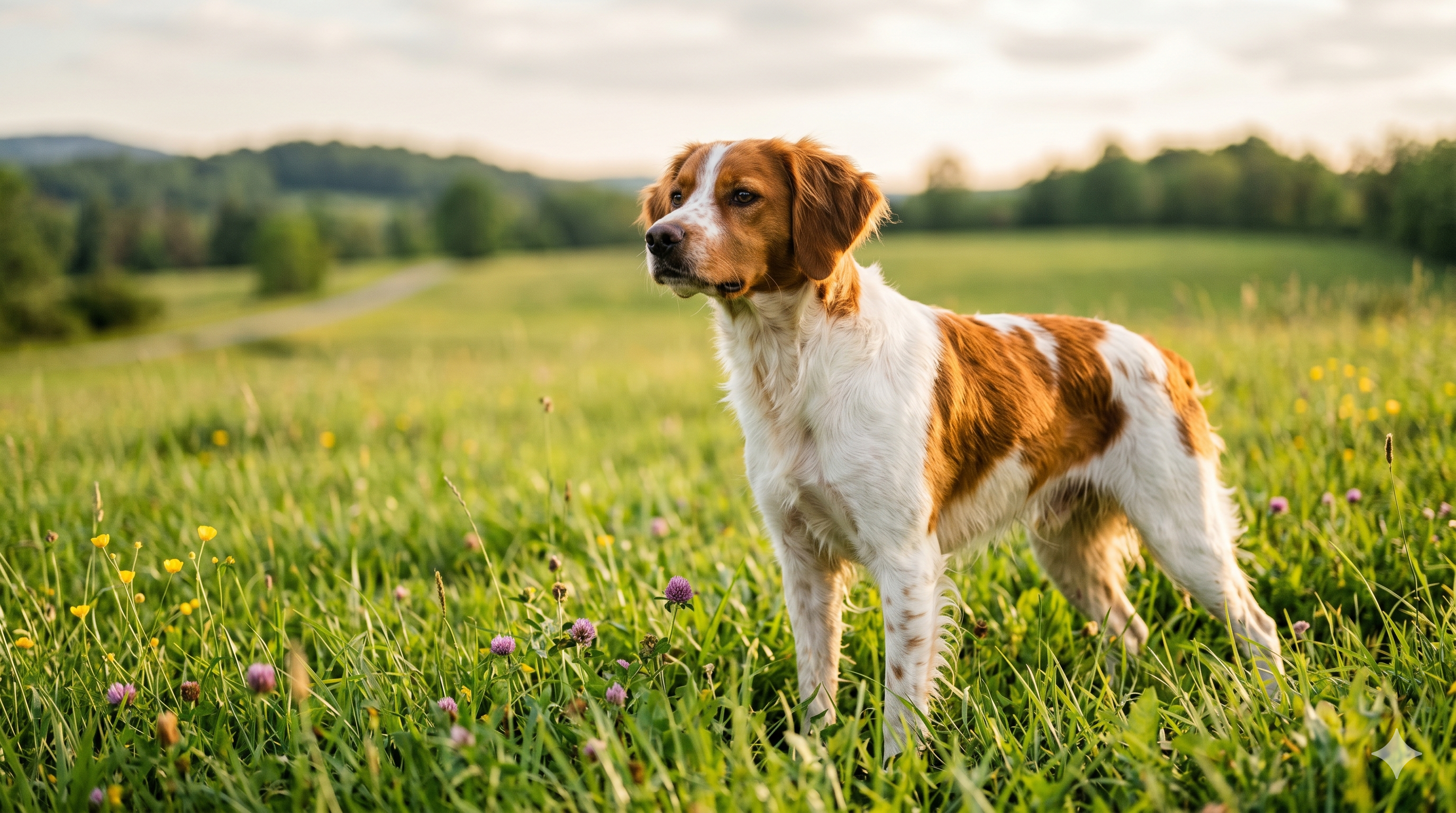
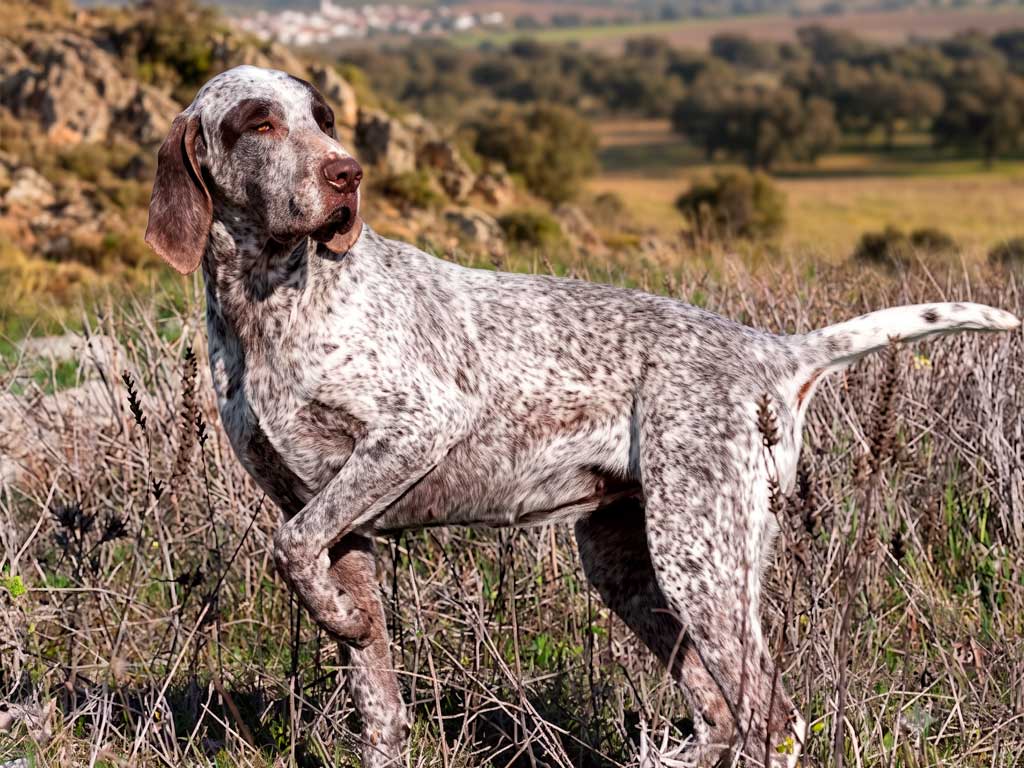
The Burgos Pointer carries a robust, well-proportioned body built for stamina and fieldwork. Its large, elongated head features long, drooping ears that give the breed a gentle, distinctive expression, while dark, expressive eyes reflect real intelligence and sensitivity.
The coat stays short, dense, and close to the body, offering practical protection during long days outdoors. Most dogs display white with liver or brown patches, often featuring a distinctive mottled pattern that gives each dog a unique look.
Adult males stand between 24 and 26 inches tall, while females measure 23 to 25 inches. Weight typically falls between 55 and 77 pounds for a healthy adult.
Temperament and Personality
Known for its calm, loyal, and hardworking nature, the Burgos Pointer genuinely enjoys tasks that engage both mind and body. Its natural tracking instinct makes it an expert at following scent trails, while at home it becomes an affectionate, protective companion.
This breed tends to show real patience with children, making it a wonderful family dog. It also gets along well with other dogs, provided proper socialization starts in puppyhood. Despite its working heritage, the balanced temperament adapts to both rural and urban settings, as long as exercise needs get met consistently.
Care Guide
Diet and Nutrition
Provide a balanced diet formulated for medium to large, active breeds. Consult your veterinarian to adjust feeding amounts based on your dog’s specific activity level and body condition.
Given this breed’s working heritage, consistent portion control matters, particularly if exercise levels drop during certain seasons or life stages.
Exercise Requirements
The Burgos Pointer carries genuinely high energy levels and needs regular physical activity to stay balanced. Long walks, interactive games, and ample outdoor time all count as essential, not optional.
Despite its calm household demeanor, this breed needs real daily activity, more than two hours ideally, to stay content and well-adjusted.
Grooming Needs
This breed’s short coat proves easy to maintain overall. A weekly brush removes dead hair and keeps the coat clean and healthy.
Because those long, drooping ears can trap moisture and debris, regular ear checks help prevent infections, particularly after outdoor activity or swimming.
Training and Education
The Burgos Pointer’s intelligence makes training genuinely rewarding, and this breed responds especially well to positive reinforcement methods. Teaching both basic and advanced commands keeps this working dog mentally engaged and satisfied.
Early socialization deserves real priority. Exposing puppies to different people, animals, and environments helps develop sociable behavior and prevents shyness or defensive reactions later in life.
Given its scent-tracking instincts, structured activities like nose work or tracking games channel this breed’s natural abilities in productive, enjoyable ways.
Health and Longevity
The Burgos Pointer typically lives between 12 and 14 years. Regular veterinary checkups help catch common issues in active breeds early, including hip dysplasia and ear infections related to those long, floppy ears.
This article is for general educational purposes only and doesn’t replace professional veterinary advice. Always consult your veterinarian about your dog’s specific health needs.
Is This the Right Dog for You?
The Burgos Pointer suits active families with some prior dog experience who can commit to genuine daily exercise. Rural or semi-rural settings tend to suit this breed particularly well, though it can adapt to city life with sufficient outdoor time.
On the other hand, apartment dwellers without easy access to open spaces should think carefully. This working breed needs room to run and explore regularly to stay genuinely happy.
Frequently Asked Questions (FAQs)
Is a Burgos Pointer a good family dog? Yes, this breed makes an excellent companion for active families, with a calm, affectionate temperament that suits life with children.
Does a Burgos Pointer need a lot of exercise? Yes, daily physical activity is essential. Walks, games, and canine sports all help keep this breed balanced and content.
Is the Burgos Pointer difficult to train? No, its intelligence and eagerness to learn make training straightforward when using positive reinforcement methods.
Can a Burgos Pointer live in an apartment? It can adapt, but it’s not ideal. This breed needs regular access to open spaces to release its natural energy.
Is the Burgos Pointer a good guard dog? While guarding isn’t its specialty, its alert and protective nature makes it a reliable dog for noticing and signaling unusual situations.
Start with a genuine daily exercise commitment before anything else. This breed’s working heritage means consistent physical outlets matter more than any other factor. For more Spanish and hunting breed guides, check out our Pastor Garafiano article at Happy Pet Zone.