10 Common Mistakes That Can Accidentally Destroy Your Dog’s Kidneys
As dog owners, we try our absolute best to keep our furry family members safe, healthy, and happy. But sometimes, hidden dangers lurk in our daily routines, kitchens, and medicine cabinets.
Kidney disease is one of the most devastating diagnoses a pet parent can face. While some renal issues develop slowly over time, certain everyday mistakes can trigger sudden, acute kidney failure in a matter of hours.
Understanding these risks allows us to take proactive steps to protect our canine companions. Let’s look at ten common, often well-intentioned mistakes that can cause severe damage to your dog’s kidneys, how to spot the warning signs, and the advanced screening tool you should ask your veterinarian for.
1. Feeding Grapes and Raisins
It seems harmless to toss your dog a piece of fruit from your snack bowl, but grapes and raisins are highly toxic to dogs. For a long time, the exact reason behind this toxicity remained a medical mystery. However, recent veterinary research has pinpointed tartaric acid and potassium bitartrate as the culprits behind rapid renal cell death (necrosis).
Even a small handful of grapes can cause a 10 kg dog’s kidneys to collapse.
- What to watch for: If your dog ingests grapes or raisins, symptoms usually appear within 6 hours. Look for lethargy, abdominal pain when touched, and a sharp decrease in urination (oliguria) or a complete lack of urine production (anuria).
Emergency Note: If you suspect your dog has eaten even a single grape or raisin, treat it as a medical emergency and head to an emergency veterinary clinic immediately.
2. Leaving Antifreeze Within Reach
This is one of the most dangerous accidental poisonings in suburban households. Automotive antifreeze frequently contains ethylene glycol, a chemical that tastes surprisingly sweet and appealing to dogs.
When a dog laps up spilled antifreeze, it triggers a massive spike of oxalic acid in their bloodstream. This process rapidly forms calcium oxalate crystals that physically tear and damage the delicate structures of the kidneys, causing fulminant acute kidney failure.
- What to watch for: In the initial stages, a dog poisoned by antifreeze will look and act “drunk” or uncoordinated. Internally, they will experience severe metabolic acidosis and skyrocketing blood urea levels (uremia).
3. Administering Human Pain Relievers
When our dogs are limping or seem to be in pain, it is incredibly tempting to reach into our own medicine cabinets. However, over-the-counter human medications like aspirin (acetylsalicylic acid), ibuprofen, and paracetamol (acetaminophen) are incredibly difficult to dose safely for pets and are highly toxic.
While paracetamol heavily damages the liver, all of these non-steroidal anti-inflammatory drugs (NSAIDs) restrict blood flow to the kidneys, leading to severe cellular damage and elevated urea levels. Never give your dog human medication without explicit instructions from your vet.
4. Neglecting Proper Hydration
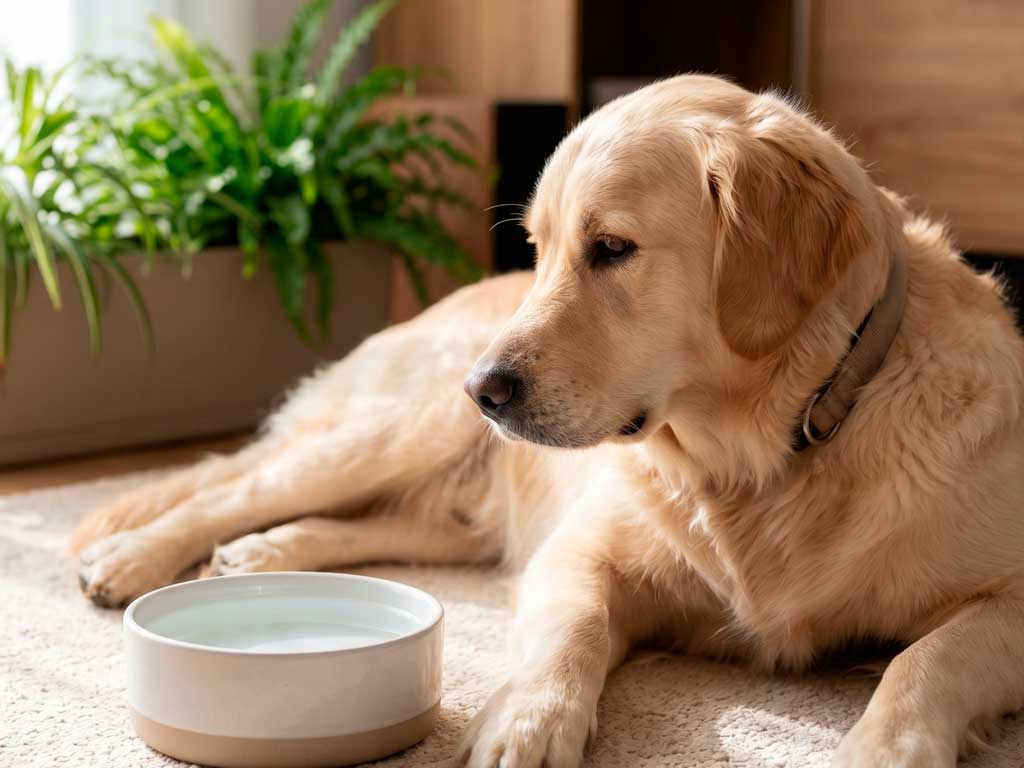
Chronic dehydration is a slow but steady kidney killer. If a dog does not have constant access to clean, fresh water, their kidneys have to work twice as hard to concentrate urine and filter out waste products.
Over months and years, this constant strain causes the organs to degenerate, eventually leading to chronic kidney insufficiency. Make sure your dog has multiple water bowls throughout the house, cleaned and refilled daily.
5. Allowing Excess Sodium (Salt) in Their Diet
FROM JUSTFOODFORDOGS
Fresh, Human-Grade Dog Food
Vet-formulated recipes made with real, whole ingredients — delivered frozen straight to your door.
Get 50% Off My First OrderHappy Pet Zone may earn a commission when you click through to JustFoodForDogs, at no extra cost to you.
Sharing salty table scraps, processed meats, or salty snacks like potato chips can wreak havoc on a dog’s renal system. Dogs process sodium much differently than humans do. High sodium intake increases blood pressure and forces the kidneys into overdrive to filter out the excess salt, eventually damaging the delicate filtration units (nephrons).
6. Feeding Foods High in Phosphorus
While phosphorus is an essential mineral, an excess of it acts as a toxin to compromised kidneys. If your dog already has early-stage or underlying kidney issues, a diet rich in phosphorus can accelerate organ failure. Managing phosphorus levels through specialized diets is one of the primary ways veterinarians extend the life of dogs with renal disease.
7. Keeping Toxic Household Cleaners Around
Many commercial household detergents and chemical cleaners carry scents or additives that attract curious dogs. Ingesting these chemicals causes immediate internal burning, systemic toxicity, and acute organ stress as the kidneys try to filter out the chemical compounds. Keep all cleaning supplies locked securely in cabinets.
8. Decorating with Toxic Plants (Like Lilies)
Bringing the beauty of spring indoors can sometimes introduce hidden hazards. Plants like lilies and calla lilies are incredibly toxic to pets.
If a dog ingests these plants, the systemic reaction is incredibly fast. You might notice your dog’s heart racing at a frantic pace, paired with extreme thirst (polydipsia). Curiously, despite drinking massive amounts of water, they may not produce a matching amount of urine—a clear sign that the kidneys are stalling.
9. Ignoring Urinary Crystal Formations
Urinary obstructions caused by crystals (such as struvite or calcium oxalate) can back up the entire renal system. When urine cannot leave the bladder due to a blockage, pressure builds up back into the ureters and kidneys, causing rapid, irreversible tissue damage. Pay close attention to your dog’s bathroom habits; straining to urinate is a clear red flag.
10. Missing Early Warning Signs of Chronic Kidney Disease (CKD)
Chronic Kidney Disease is notoriously sneaky. In its early stages, it rarely shows clear, obvious symptoms and can easily be mistaken for general aging or mild lethargy. By the time traditional blood tests show elevated kidney values, a significant portion of kidney function may already be lost.
The Proactive Test Every Owner Should Ask For: SDMA
The next time you take your dog to the veterinarian for routine bloodwork, don’t just opt for the standard panel. Explicitly ask your veterinarian to check for a specific biomarker called SDMA (Symmetric Dimethylarginine).
Why is the SDMA test a game-changer?
- Early Detection: Standard blood tests look for creatinine, which often only spikes after 75% of kidney function is gone. SDMA can detect kidney decline when as little as 25% to 40% of function is lost.
- Predictive Value: If your dog tests positive for elevated SDMA, it gives you a crucial head start. It allows you to implement preventative measures—such as dietary adjustments, reducing sodium, and increasing hydration—well before the condition escalates into acute kidney failure.
Advanced Signs of Advanced Kidney Issues
If kidney damage progresses unnoticed, your dog will begin sending clear distress signals. Two classic signs of advanced renal failure include:
- Oral Ulcers: Painful sores or ulcers in the mouth and on the gums that refuse to heal.
- “Uremic” Breath: A distinct, unpleasant breath odor that smells remarkably like urine or ammonia, caused by the buildup of waste products the kidneys can no longer filter out.
Summary Checklist for Healthy Canine Kidneys
| Hazard Type | Specific Threat | Prevention / Action |
| Foods | Grapes, Raisins, Salty Scraps | Keep out of reach; feed dog-safe fruits only. |
| Chemicals | Antifreeze (Ethylene Glycol) | Clean spills immediately; use pet-safe alternatives. |
| Meds | Ibuprofen, Aspirin, Paracetamol | Use only vet-prescribed pain management. |
| Plants | Lilies, Calla Lilies | Choose pet-safe indoor greenery. |
| Screening | Hidden Renal Decline | Request an SDMA test during annual checkups. |