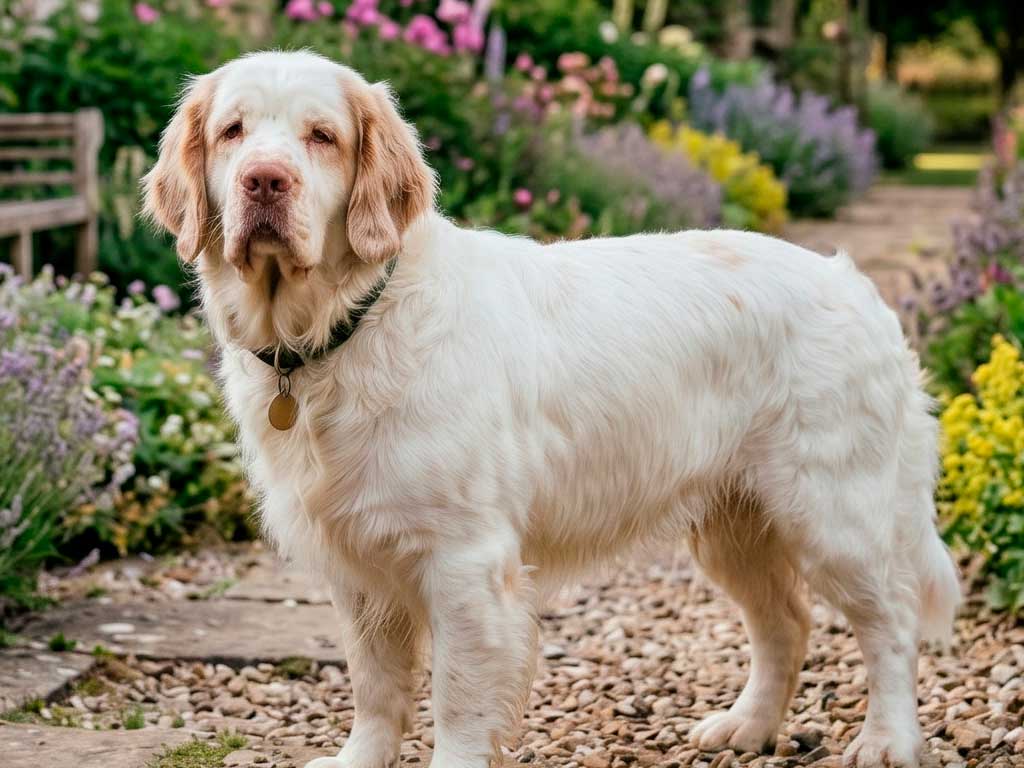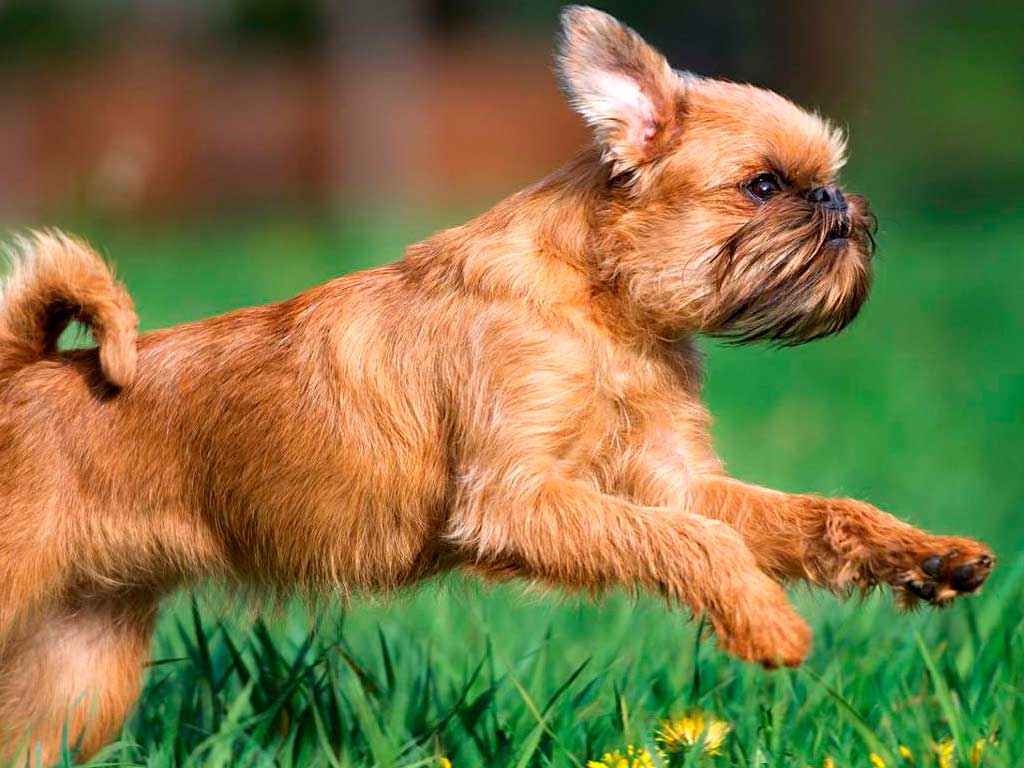
Wirehaired Vizsla: The Ultimate Portrait of Hungary’s Rarest Hunter
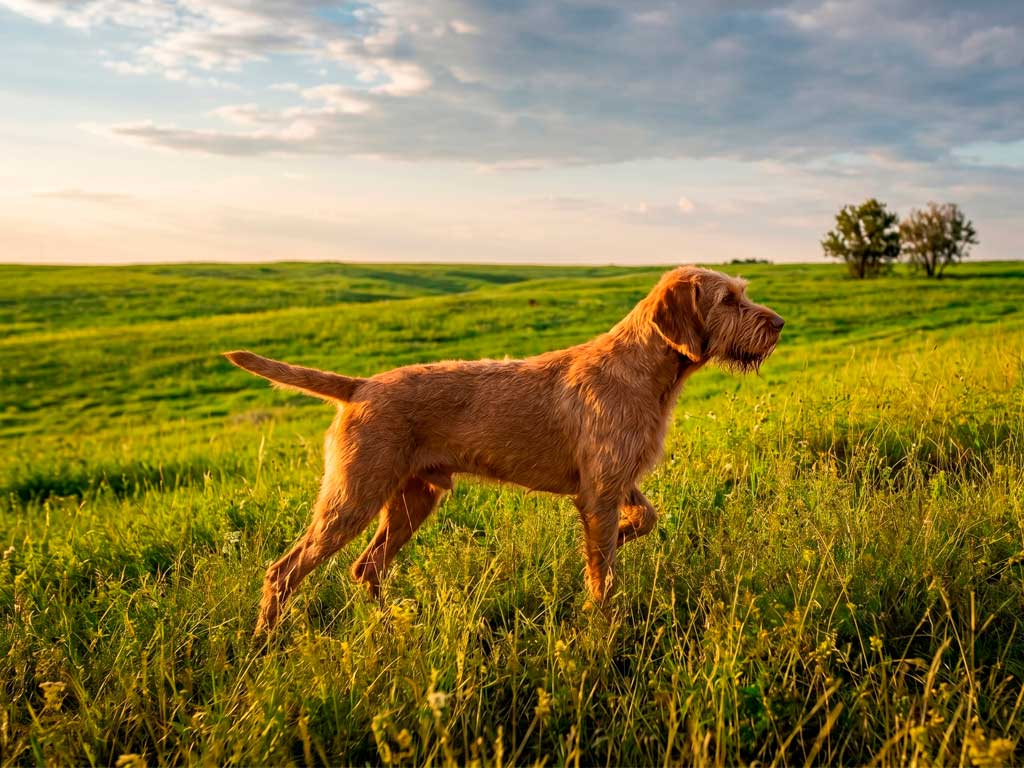
The Wirehaired Vizsla is one of the best-kept secrets in the gundog world.
While its smooth-coated cousin — the Hungarian Vizsla — has won hearts across the US and UK over the past few decades, the Wirehaired Vizsla remains genuinely rare outside Hungary and a small circle of devoted enthusiasts. That rarity is about to change. As more active families discover what this breed offers, interest is growing fast.
Here’s what makes this dog so compelling: the Wirehaired Vizsla carries all the warmth, loyalty, and athletic brilliance of the standard Vizsla — then adds a rugged, all-weather wire coat and an extra layer of cold-water toughness that the smooth variety simply cannot match. It is the Vizsla, upgraded for harder conditions.
In this complete breed guide, you’ll get the full story — the 1930s engineering project that created this breed, what those distinctive eyebrows and beard actually mean, how it differs from the smooth Vizsla, and everything you need to decide whether this rare and remarkable dog belongs in your life.
History and Origin of the Wirehaired Vizsla
To understand the Wirehaired Vizsla, you need to understand the problem it was designed to solve.
By the early 20th century, the Hungarian Vizsla — already a breed of enormous antiquity, with roots stretching back over 1,000 years to the Magyar hunters of the Carpathian Basin — had established itself as one of Europe’s finest HPR (Hunt, Point, Retrieve) dogs. Fast, sensitive, loyal, and endlessly capable in the field, it was the preferred companion of Hungarian hunters and nobility alike.
But here’s the limitation nobody talked about.
The smooth Vizsla’s short, fine coat — magnificent in warm conditions — offered inadequate protection in the cold, wet, and thorned terrain of Hungary’s marshes, reed beds, and winter woodlands. Hunters who worked their dogs through icy water and dense undergrowth found that the smooth coat simply wasn’t built for those demands.
The solution arrived in the 1930s, when Hungarian breeders undertook a deliberate crossing program. The smooth Vizsla was crossed with the German Wirehaired Pointer — contributing the dense, weather-resistant wire coat — and, to a lesser degree, with the Griffon Korthal, adding additional coat texture and field-craft instincts. The goal was precise: to produce a dog with the Vizsla’s legendary temperament, scenting ability, and versatility, wrapped in a coat that could genuinely handle cold water, frost, and thick vegetation without flinching.
The result was the Wirehaired Vizsla — and it became popular among Hungarian hunters almost immediately.
Here’s where the survival story mirrors its smooth-coated relative almost exactly.
Both World Wars devastated Hungary’s dog breeds. The Wirehaired Vizsla, even newer than the smooth variety, came perilously close to extinction during the Soviet occupation that followed World War II. Like the smooth Vizsla before it, the breed survived only because dedicated breeders smuggled breeding stock out of Hungary to preserve what they had created. That act of extraordinary commitment is the reason this dog exists in kennels in the UK, the US, and across Europe today.
The wirehaired variety shares the smooth Vizsla’s well-documented falconry heritage. Paintings from over a thousand years ago depict Magyar hunters with hawks and Vizsla-type dogs working together — and the breed is still said to retain a natural affinity with birds of prey that sets it apart from virtually every other HPR breed.
Physical Characteristics
The Wirehaired Vizsla is a medium-sized, athletic dog with a noble, graceful bearing that immediately communicates both substance and speed.
Size:
- Males: 58–62 cm tall
- Females: 54–58 cm tall
- Weight: 20–30 kg for both sexes
In overall shape and proportion, the Wirehaired Vizsla closely resembles its smooth-coated sibling. The same lean, muscular build. The same deep chest and tucked-up abdomen designed for endurance at the gallop. The same long, straight legs engineered for ground-covering efficiency.
The coat is where everything changes.
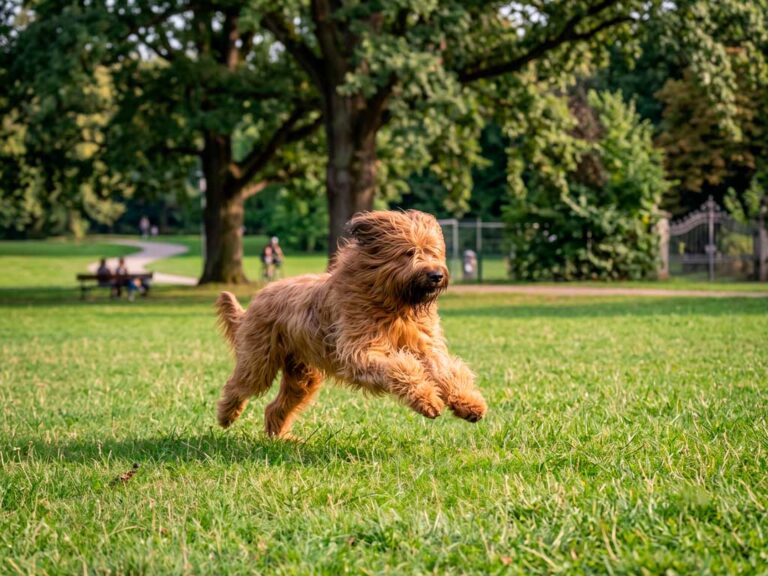
The wire coat is the breed’s defining physical feature — and it’s far more than an aesthetic variation. The outer layer is hard, dense, and close-lying, reaching approximately 4 cm in length on the neck and body. Beneath it, a thicker undercoat develops during the colder months, providing genuine thermal insulation that the smooth variety simply cannot offer. This double-layer system makes the Wirehaired Vizsla meaningfully more capable in cold, wet, and harsh terrain conditions.
On the face, the coat creates the breed’s most visually striking features: a distinct beard on the chin and dense, prominent eyebrows — the same facial furnishings that distinguish other wire-coated breeds like the German Wirehaired Pointer and the Bouvier des Flandres. These aren’t decorative. The beard protects the muzzle when pushing through dense undergrowth; the eyebrows shield the eyes from thorns and splashing water.
Color is consistent with the smooth variety: a warm golden sand to reddish-gold — the characteristic Vizsla coloring that gives both varieties their unmistakable warm-toned identity. There are no markings, no patches, no ticking. Just that singular, burnished Hungarian gold.
The overall impression is of a dog that is simultaneously elegant and purposeful — a working animal that has been refined over generations without ever losing the functional integrity that makes it so effective in the field.
Temperament and Personality
Here’s the question every prospective owner asks first: is the Wirehaired Vizsla’s personality meaningfully different from the smooth Vizsla’s?
The honest answer is: broadly, no — and that is very much a feature, not a bug.
The Wirehaired Vizsla shares the core temperamental DNA of its smooth-coated relative: deeply affectionate, loyal, eager to please, and genuinely joyful in its engagement with family life. It loves the outdoors with a passion — particularly countryside environments where it can run, scent, and explore — and it adapts especially well to families who live rurally or have reliable daily access to open land.
However, several nuances are worth noting for anyone comparing the two varieties:
- Equally sensitive, equally velcro. The Wirehaired Vizsla is just as emotionally tuned to its people as the smooth variety. It is not a more “independent” dog by virtue of its tougher coat. The same velcro-intensity bonding applies, and the same intolerance of isolation. This dog wants to be with its family — fully present, not kenneled or left alone for extended periods.
- Calm indoors, active outdoors. Like the smooth Vizsla, the wirehaired variety settles well in the home once its exercise needs are met. It is not a permanently “on” breed that bounces off the walls at all hours. Satisfy the daily exercise requirement, and you get a remarkably composed house companion.
- Protective without being aggressive. The Wirehaired Vizsla is naturally watchful and will alert to strangers or unusual activity — but it is not a guarding breed by nature, and it is not aggressive without genuine cause. Its instinct is to observe and notify, not to confront.
- Outstanding with children. The source is direct on this point: the Wirehaired Vizsla is a family dog in the fullest sense. It is patient, playful, and gentle with children, though all interactions between large, energetic dogs and young children should always be supervised.
- Prey drive present but manageable. Like all HPR breeds, the Wirehaired Vizsla carries genuine hunting instincts. Other pets — particularly small animals — should be introduced with care and, if possible, from puppyhood. With consistent training and early socialization, coexistence with other household pets is entirely achievable.
The source captures the breed’s personality in a single sentence that deserves quoting in spirit if not in letter: it loves being both a family dog and a working dog simultaneously. That dual identity — the dog that sits beside you on the sofa in the evening and covers kilometres of marshland with you in the morning — is the Wirehaired Vizsla’s greatest gift to its owners.
Care Guide
Diet and Nutrition
The Wirehaired Vizsla is a medium-to-large, highly active breed with nutritional needs that reflect its working heritage. Feed a high-quality diet formulated for active dogs of this size, prioritizing animal protein to support lean muscle mass, healthy fats for sustained field energy, and a complete micronutrient profile that includes joint-supporting minerals.
Key feeding principles to follow:
- Feed twice daily. Two measured meals per day — morning and evening — is the standard and recommended approach. Avoid free-feeding, which makes portion control difficult and can quietly lead to weight gain over time.
- Adjust for actual activity level. A Wirehaired Vizsla doing long field days in autumn needs significantly more calories than the same dog on a quiet winter week. Feed to what the dog is actually doing, not to a fixed quantity year-round.
- Always provide fresh water, especially after vigorous exercise or a swim. Active dogs lose significant fluid during exertion and need reliable access to clean water throughout the day.
- Monitor body condition regularly. You should be able to feel the ribs with gentle finger pressure but not see them prominently at rest. An athletically lean condition — not too thin, never overweight — is the target for this breed.
- Observe for bloat risk. Medium-to-large deep-chested breeds carry an elevated risk of gastric dilatation-volvulus. Avoid vigorous exercise for at least one hour after meals, and consider using a slow-feeder bowl if your dog tends to eat quickly.
As always, your vet is the best source of personalized feeding guidance for your individual dog’s age, weight, reproductive status, and specific activity demands. Nutritional requirements shift meaningfully across different life stages, so revisit the feeding plan regularly.
Exercise Requirements
More than two hours of vigorous outdoor exercise every day. That is the non-negotiable baseline for an adult Wirehaired Vizsla — and it is a genuine daily commitment, not a weekend activity.
The wirehaired variety was specifically engineered for harder terrain and colder conditions than the smooth Vizsla — which means it is, if anything, even more suited to extended outdoor work. Retrieving on both land and water, long countryside runs, agility training, tracking exercises, and formal HPR field work are all ideal outlets. Swimming deserves special mention: the Wirehaired Vizsla’s coat makes it more comfortable in cold water than the smooth variety, and many individuals are enthusiastic, tireless swimmers who will voluntarily seek out any water source they can find.
Mental stimulation runs parallel to physical exercise and is equally important. Scent-work games, tracking drills, puzzle feeders, and varied training sessions engage the working brain that this breed inherited from centuries of field hunting. A Wirehaired Vizsla that is physically exercised but mentally bored will find its own entertainment — reliably at your expense.
For puppies: resist the temptation to over-exercise before the growth plates close at around 18 months. Free play, short walks, and mental stimulation are appropriate during this period. The adult exercise program builds gradually as the dog matures physically.
The bottom line is clear: this is a dog for people who spend meaningful time outdoors. If that describes your life, the Wirehaired Vizsla will match your pace and exceed your expectations. If it doesn’t, a different breed will serve you — and the dog — much better.
Grooming Needs
The Wirehaired Vizsla requires more coat maintenance than the smooth variety — but considerably less than many people assume when they first encounter the wire coat.
The practical routine looks like this:
- Brush once a week. A thorough weekly brush-through with a firm bristle brush or grooming mitt removes dead hair and prevents the undercoat from matting, particularly after fieldwork through water or vegetation. The wire outer coat tangles less readily than softer breeds, but regular attention keeps both layers in good functional condition.
- Strip the dead outer coat when needed. The correct maintenance technique for a wire coat is hand-stripping — pulling out dead, loose wiry hairs by hand or with a stripping knife — rather than clipping. Clipping softens the coat texture over time, eventually destroying the hard, weather-resistant outer layer that makes this breed so field-capable. Most owners learn basic hand-stripping themselves; for more thorough work, a groomer experienced with wire-coated breeds is worth finding.
- Clean the beard regularly. Like all wire-coated breeds with facial furnishings, the Wirehaired Vizsla’s beard traps food debris and moisture. A quick clean after meals and a thorough wash periodically keeps the beard fresh and prevents skin irritation around the muzzle.
- Check and dry the ears after swimming. The hanging ears can trap moisture, particularly given this breed’s enthusiasm for water. Dry and inspect them thoroughly after every swim to prevent the conditions that favor ear infections.
- Maintain nails, teeth, and eyes on the standard routine: nails monthly, teeth brushed several times per week, eyes wiped clean as needed.
Compared to the smooth Vizsla’s near-zero grooming demands, the wirehaired coat does require more consistent attention. However, in the context of this breed’s overall care requirements — particularly the substantial daily exercise commitment — the extra grooming time is genuinely manageable.
Training and Education
The Wirehaired Vizsla is an enthusiastic, intelligent, and deeply cooperative breed to train — provided you understand and honor its one non-negotiable requirement: sensitivity.
This breed learns fast. Very fast. New commands are absorbed quickly, skills generalize well across different environments, and the dog brings genuine enthusiasm to training sessions. It is not a breed that needs convincing to engage. The challenge — and it is a real one — is that this same sensitivity that makes the Wirehaired Vizsla so responsive to positive training also makes it highly vulnerable to harsh or inconsistent handling.
A Wirehaired Vizsla trained with patience, clarity, and generous positive reinforcement develops into an extraordinary working and companion dog. One trained with corrections, raised voices, or punishment-based methods loses confidence quickly, becomes hesitant and anxious, and is far harder to bring back to a productive working relationship. The message is simple: keep it positive, always.
Practical training principles for the Wirehaired Vizsla:
- Socialize from day one. The window between 8 and 16 weeks is the most critical period for shaping your dog’s adult confidence and adaptability. Expose your puppy to a wide variety of people, places, sounds, animals, and situations. A well-socialized Wirehaired Vizsla is bold, curious, and adaptable. A poorly socialized one is reactive and difficult to manage in novel environments.
- Enroll in puppy classes early. Group training classes develop both obedience and social skills simultaneously, and they expose your puppy to the kind of distractions it will encounter throughout its life. The Wirehaired Vizsla thrives in these environments when the approach is reward-based and enjoyable.
- Keep sessions short, varied, and fun. This is an intelligent breed that responds to novelty and disengages with repetition. Ten to fifteen minutes of focused, enjoyable training consistently outperforms longer sessions of monotonous drilling. End on a success every time.
- Be consistent with household rules. Set boundaries clearly from puppyhood and maintain them. The Wirehaired Vizsla’s intelligence means it will quickly identify and exploit any inconsistencies in what’s allowed and what isn’t.
- Build toward advanced work. For owners interested in going beyond obedience, the Wirehaired Vizsla is a natural for HPR field trials, tracking, agility, and canicross. These structured disciplines honor the breed’s working instincts and create a bond between dog and handler that basic obedience alone cannot replicate. The breed’s comfort in cold water also makes it exceptionally well-suited to wildfowling and water retrieving work specifically.
Health and Longevity
The Wirehaired Vizsla is, according to the source, a relatively healthy breed with few known health problems — a notably positive assessment that reflects both the robustness of the original Vizsla bloodlines and the careful selective breeding that shaped the wirehaired variety since the 1930s.
Life expectancy is 12 to 15 years — matching the smooth Vizsla’s excellent longevity and placing both varieties among the longer-lived large breeds in the gundog group.
Because the wirehaired variety shares its foundational genetics with the smooth Vizsla, the same health conditions that appear in the smooth variety warrant monitoring here. These include:
- Swallowing disorders. Conditions affecting the mechanics of eating and swallowing have been documented in the broader Vizsla family. If your dog coughs during meals, regurgitates food, or appears to struggle when eating, consult your vet promptly rather than waiting to see if the issue resolves.
- Epilepsy. This condition occurs at a higher frequency in both Vizsla varieties than in the general dog population. It is manageable with veterinary support, but it does require ongoing monitoring and, in some cases, long-term medication. Ask breeders about the epilepsy history in their specific lines before committing to a puppy.
- Hip dysplasia. While not specifically flagged as a primary concern in the source, hip screening is standard good practice for any medium-to-large active breed. Responsible breeders will have documented hip scores for breeding stock.
The breed’s general health robustness is genuinely encouraging. However, the small global population of Wirehaired Vizslas — a direct consequence of the near-extinction events of the World War years — means that genetic diversity is a consideration, and sourcing from responsible breeders who prioritize health testing over aesthetics or show success is more important here than in many more numerous breeds.
Annual veterinary check-ups, dental hygiene, weight management, parasite control, and attentive daily observation are the pillars of keeping a Wirehaired Vizsla thriving across its long lifespan.
Wirehaired Vizsla vs. Hungarian Vizsla: Which One Is Right for You?
Given that we covered the smooth Hungarian Vizsla in our previous article, this comparison is worth addressing directly — because it’s the question most readers arriving at this page are genuinely asking.
The differences that actually matter:
The wire coat is the primary functional difference, and it’s a meaningful one for working owners. The Wirehaired Vizsla is more comfortable in cold water, more protected from thorns and dense vegetation, and more physically suited to harsh weather conditions than the smooth variety. For hunters or outdoor enthusiasts who regularly work in cold, wet, or rough terrain, the wirehaired variety has a genuine practical advantage.
Grooming demands are higher for the wirehaired variety — weekly brushing plus periodic hand-stripping versus minimal coat care for the smooth. That’s a real consideration for owners without the time or inclination for coat maintenance.
The similarities that also matter:
Temperamentally, the two varieties are close siblings. Both are deeply affectionate, sensitive, velcro-intense, and demanding of human company. Both need the same minimum of two-plus hours of vigorous daily exercise. Both are outstanding family dogs for active households. Both are equally unsuitable for owners who work long hours without dog care provision.
The bottom line:
If you’re an active outdoor person who works regularly in cold or wet conditions — or who simply loves the aesthetic of the wire coat and beard — the Wirehaired Vizsla is the obvious choice. If coat maintenance is a concern and your outdoor life happens in milder conditions, the smooth Vizsla delivers essentially the same experience with less grooming work.
Either way, you’re getting one of the most rewarding gundog breeds on the planet.
Is This the Right Dog for You?
The Wirehaired Vizsla is a perfect match if you:
- Lead an active, largely outdoor lifestyle — ideally in or near the countryside
- Can genuinely commit to more than two hours of vigorous daily exercise
- Are drawn to the wirehaired coat either for its functional advantages in cold terrain or simply for its striking appearance
- Have some prior experience with medium or large working breeds
- Want a dual-purpose dog — an outstanding field companion and a devoted family dog in equal measure
- Are home regularly, or have reliable dog care in place — this breed cannot tolerate long periods of isolation
- Are willing to invest in positive, consistent training from puppyhood and maintain that engagement throughout the dog’s life
Think carefully before committing if you:
- Work long hours without a dog care solution in place
- Live in a city apartment with limited daily access to open outdoor space
- Want a low-maintenance coat — the wire variety requires regular brushing and periodic hand-stripping
- Are a first-time owner without prior experience of active or working breeds
- Have small pets at home that may trigger the breed’s prey drive without careful introduction
The Wirehaired Vizsla is rare, exceptional, and deeply deserving of the right owner. Find that match, and you’ll have a companion that is — as the source puts it — equally devoted to family life and working life, bringing the same joyful intensity to both.
Frequently Asked Questions About the Wirehaired Vizsla
1. What is the difference between a Wirehaired Vizsla and a Hungarian Vizsla?
The core difference is the coat. The Wirehaired Vizsla has a dense, hard wire outer coat with a thick undercoat, giving it better protection in cold water, thorned vegetation, and harsh weather than the smooth variety. Facially, it has a distinctive beard and prominent eyebrows. Temperamentally, both varieties are very similar — affectionate, sensitive, velcro-loyal, and highly active. The wirehaired variety requires more coat maintenance (weekly brushing and periodic hand-stripping) but is more field-capable in demanding conditions.
2. When was the Wirehaired Vizsla created, and why?
The breed was developed in Hungary in the 1930s by crossing the smooth Hungarian Vizsla with the German Wirehaired Pointer and, to a lesser extent, the Griffon Korthal. The goal was to produce a dog with the Vizsla’s celebrated temperament and field skills, but with a weather-resistant wire coat capable of handling cold water, frost, and dense undergrowth — conditions that the smooth coat managed less effectively.
3. Is the Wirehaired Vizsla rare?
Yes — it is considerably rarer than the smooth Hungarian Vizsla, particularly outside Hungary and Central Europe. Its small global population is a legacy of the near-extinction events during World War II, when the breed survived only due to the efforts of breeders who smuggled stock out of Soviet-occupied Hungary. Interest is growing steadily in the UK and US, but expect a waiting list with reputable breeders and be prepared for thorough vetting as a prospective owner.
4. How much exercise does a Wirehaired Vizsla need?
More than two hours of vigorous daily exercise for adults — the same requirement as the smooth Vizsla. This means genuine high-intensity activity: off-lead running, retrieving on land and in water, agility training, tracking work, or HPR field trials. The breed’s enthusiasm for swimming is particularly notable. Mental stimulation through training and scent work is equally important alongside the physical exercise requirement.
5. Is the Wirehaired Vizsla a healthy breed?
Generally yes — the source describes it as a relatively healthy breed with few known health problems, and its life expectancy of 12 to 15 years is excellent for a dog of this size. The primary conditions to be aware of are swallowing disorders and epilepsy, which occur at higher rates in the broader Vizsla family than in the general population. As with any breed, sourcing from responsible breeders who conduct health testing, and scheduling annual veterinary check-ups, are the most effective long-term health strategies.
The Wirehaired Vizsla was engineered in the 1930s to go further and stay out longer — through cold water, frost, and thorned undergrowth where other dogs turn back. A thousand years of Magyar hunting heritage, wrapped in a coat built for the hardest days. For the right owner, there is nothing quite like it.