
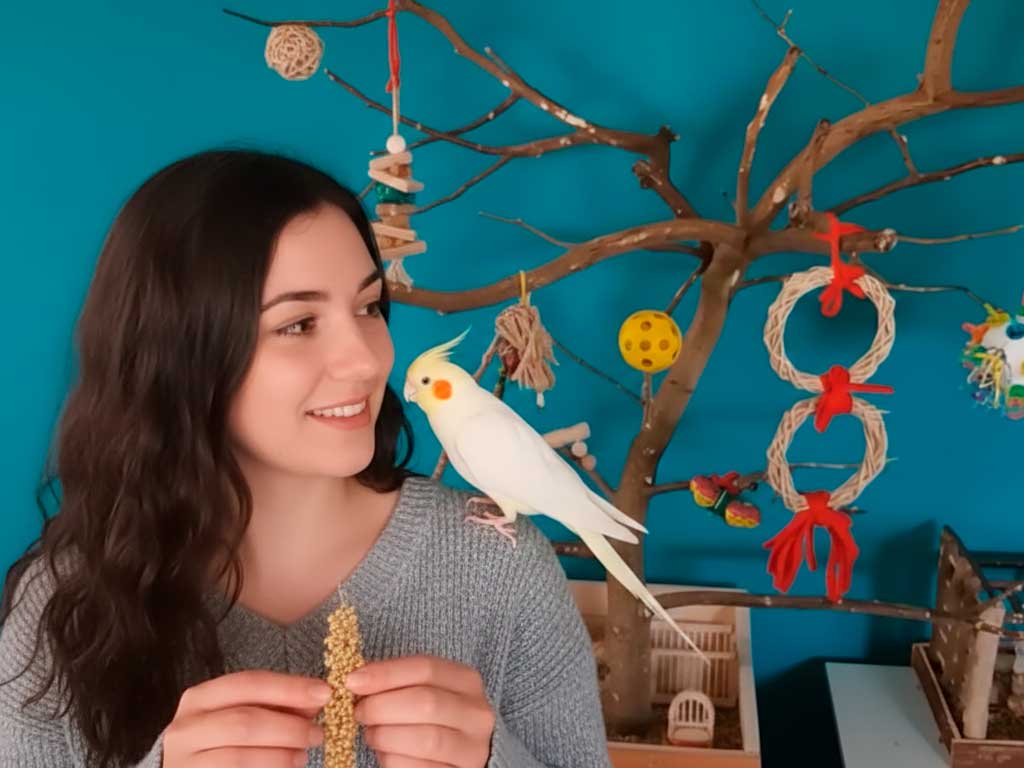
The Cockatiel (Nymphicus hollandicus), often affectionately known as the “Quarrion” or “Weiro” in its native lands, is far more than just a small parrot. These charming birds are actually the smallest members of the Cacatuidae (Cockatoo) family. Native to the arid and semi-arid regions of Australia, they have conquered the hearts of bird lovers worldwide thanks to their expressive crests and gentle personalities.
In the wild, they travel in large flocks, which explains why they are so incredibly social. If you are looking for a companion that offers both intelligence and affection, the Cockatiel is a top-tier choice. However, bringing one into your home requires more than just a cage and some seeds. Here is everything I’ve learned about providing them with a life they truly deserve.
The Foundation: Choosing the Right Home
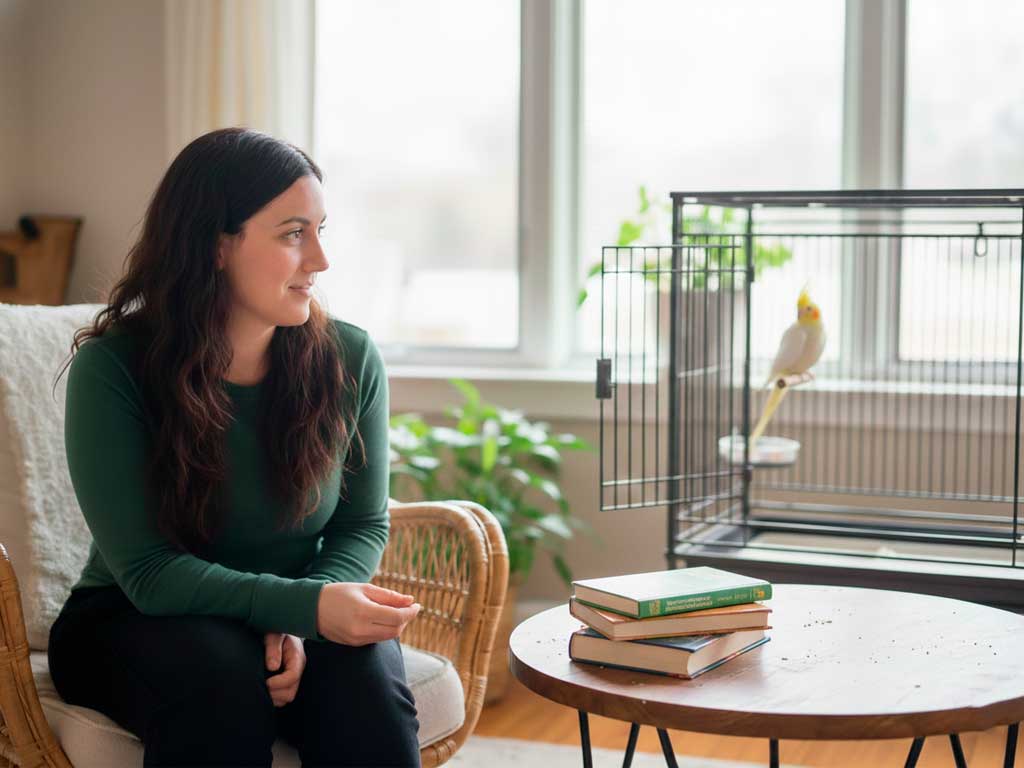
Many people see a birdcage as a “prison,” but in my experience, it should be viewed as your bird’s sanctuary. It is their safe space where they feel protected while they sleep or when you aren’t home.
When selecting a cage, the rule is simple: bigger is always better. At a minimum, the enclosure should be three times the wingspan of your Cockatiel. However, the shape matters just as much as the size:
- Go Rectangular: Cockatiels fly horizontally. A wide, rectangular cage allows them to flutter from side to side, which is much better for their health than a tall, narrow one.
- Never Use Round Cages: Round cages are disorienting for birds and don’t provide a corner for them to retreat to when they feel anxious.
- Bar Spacing: Ensure the bars are no more than 1.5 cm (approx. 0.6 inches) apart to prevent your bird from getting its head stuck.
Essential Accessories
Inside the cage, you’ll need high-quality tools to maintain hygiene. I highly recommend stainless steel bowls for food; they are incredibly easy to sanitize and don’t harbor bacteria like plastic does. For water, you can use a standard bowl or even a rodent-style drip bottle, which keeps the water fresh and free of droppings.
Perches, Toys, and “The Nesting Trap”
The environment inside the cage dictates your bird’s foot health and mental stimulation.
- Natural Wood Perches: Get rid of those perfectly smooth plastic or dowel perches. They cause foot sores. Use natural branches of varying thicknesses to exercise their feet.
- Grooming: A cement or “pedicure” perch is great for naturally wearing down their nails. Don’t forget a cuttlebone for calcium and beak maintenance.
- Avoid “Cozy” Huts: This is a common mistake. Those cute fabric tents or little houses might look adorable, but Cockatiels see them as nesting sites. This can trigger aggressive hormonal behavior or “chronic egg-laying” in females. Your bird is perfectly happy sleeping on its perch.
Expert Tip: Cockatiels love baths! Offer a shallow dish with a bit of water or use a spray mister. Just make sure the dish isn’t too deep, as they can be wary of the water’s depth.
Nutrition: Beyond the Seed Mix
If you are buying those generic “supermarket” seed mixes full of sunflower seeds and colored bits, you are unintentionally shortening your bird’s life. Sunflower seeds are like “junk food”—too fatty and known to cause fatty liver disease.
A balanced Cockatiel diet should be divided into three parts:
- High-Quality Pellets: This should be the base of their diet to ensure they get all necessary vitamins.
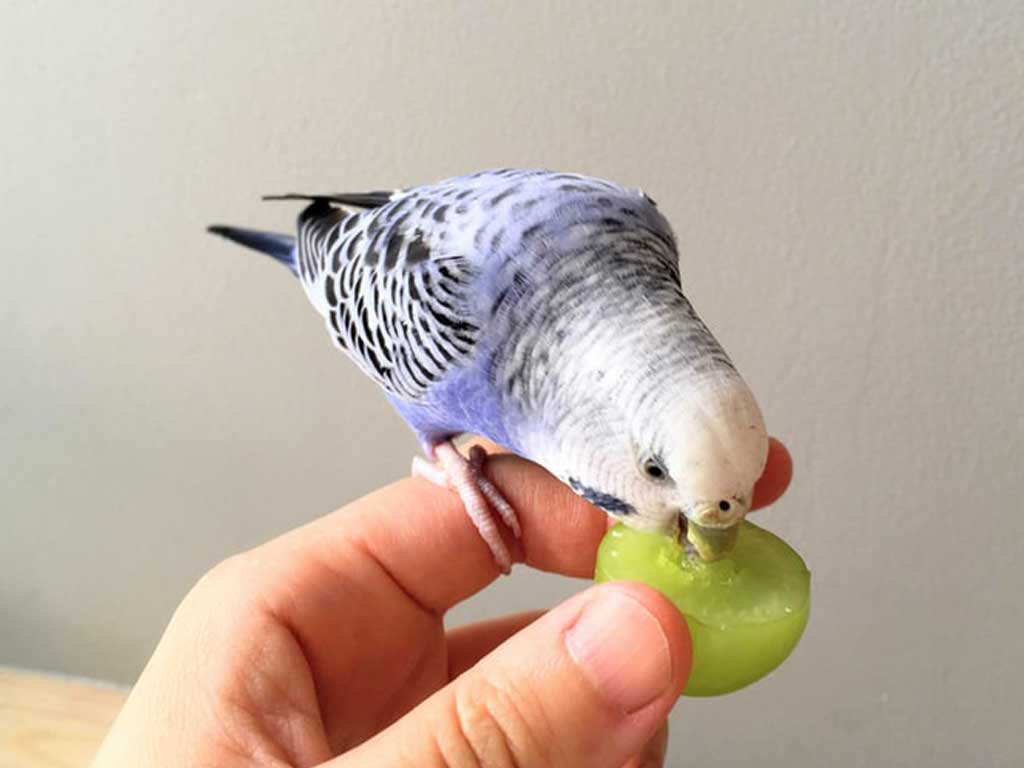
- Fresh Produce: Offer fresh vegetables (leafy greens, carrots, broccoli) and a little fruit every single day.
- High-Quality Seed Mix: Use this as a supplement or treat, ideally one that is low in sunflower seeds.
Always change their water and food daily. Stale water is a breeding ground for illness.
Social Life and Safety
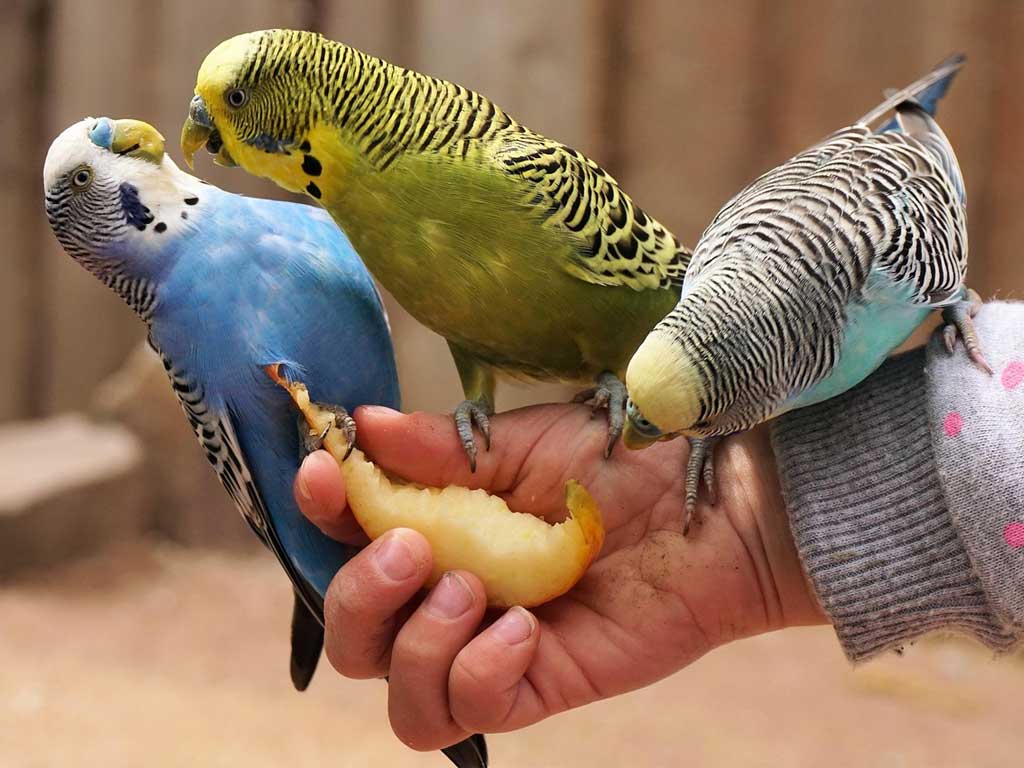
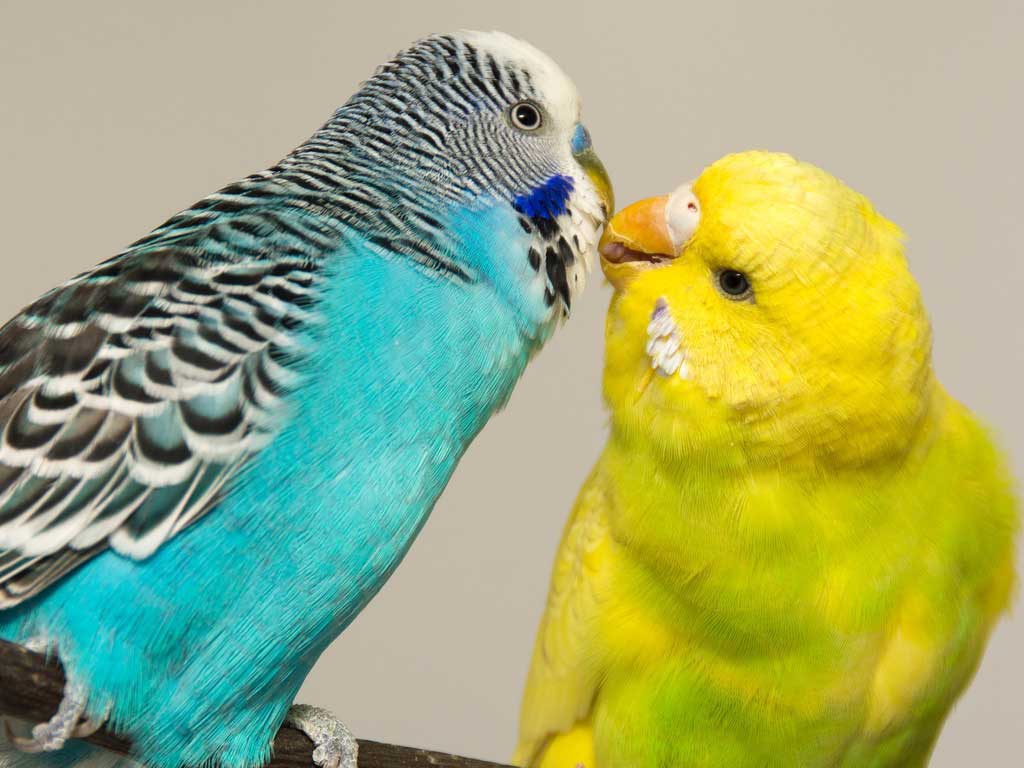
Cockatiels are gregarious animals. In the wild, they are never alone. There is a common myth that “if you have two birds, they won’t love you.” This is completely false. Having a companion of their own species prevents depression and loneliness when you are at work. If you interact with them daily, you will still be a cherished part of their “flock.”
Safety Protocols
- Out-of-Cage Time: Your bird needs at least 2 hours of daily flight time in a secure room.
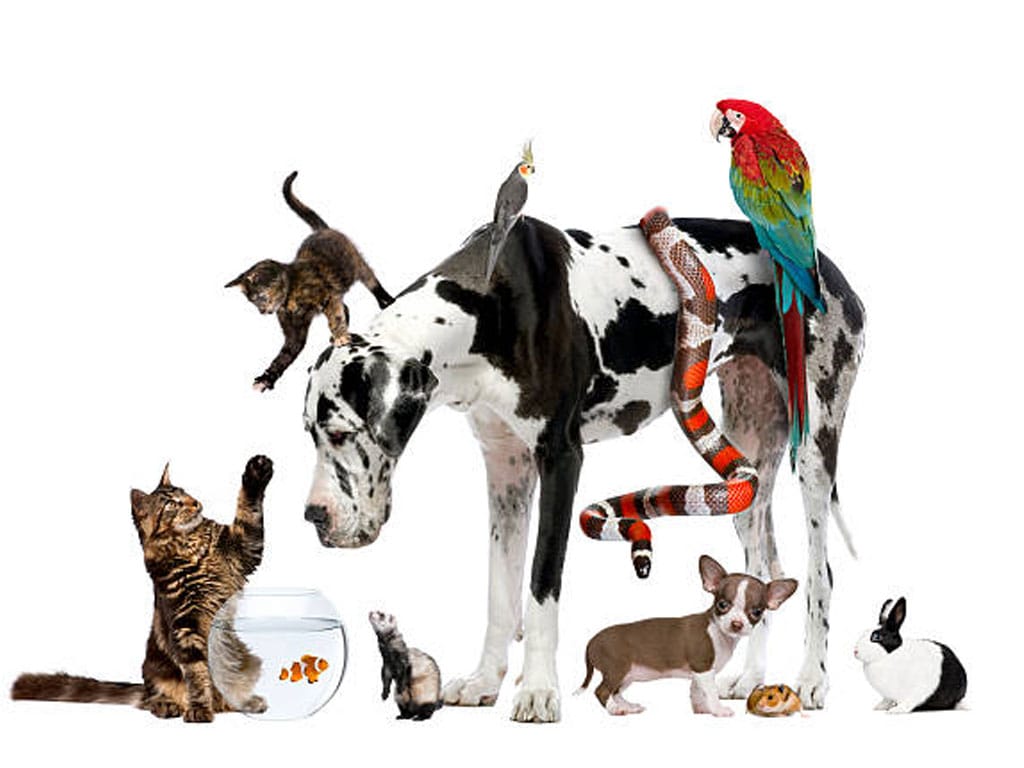
- The Predator Rule: If you have dogs or cats, never leave them alone with your bird. It only takes a millisecond for a tragedy to happen.
- Air Quality: Cockatiels are extremely sensitive to drafts and toxic fumes (like non-stick Teflon pans or scented candles).
Health and the “Prey” Instinct
As a bird owner, you must be a detective. Because Cockatiels are prey animals, they are experts at hiding symptoms of illness. By the time they look sick (puffy feathers, sleeping too much, “runny” droppings), they are often very ill.
Veterinary Warning: If you notice any change in behavior or appetite, do not wait. Do not ask for advice on social media—go straight to an avian vet. Minutes matter when it comes to bird health.
With proper care, a Cockatiel can live between 15 to 25 years, and some even reach their 30s. It’s a long-term commitment, but the whistles and head-scratches you’ll get in return make every bit of effort worth it.
Frequently Asked Questions about Cockatiel Care
How can I tell if my Cockatiel is a male or a female?
In wild-type (grey) Cockatiels, males usually have brighter orange cheek patches and a solid yellow face, while females have duller colors and barred patterns under their tail feathers. However, for many mutations like Lutinos or Albinos, the only 100% certain way to know is through a DNA blood test.
Is it normal for my Cockatiel to have a “bald spot” behind its crest?
If your bird is a Lutino mutation (yellow with red eyes), a small bald spot behind the crest is a common genetic trait and not usually a health concern. However, if the spot is growing or the skin looks irritated, it could be a sign of over-preening or parasites.
Why does my Cockatiel hiss at me?
Hissing is a Cockatiel’s way of saying, “I’m scared” or “Back off.” They often do this when they feel cornered or when you reach into their cage (territorial behavior). Respect their space and use positive reinforcement with treats to build trust.
Can Cockatiels learn to talk?
Yes, but they are better at whistling than talking. Males are generally more vocal and can learn to mimic songs, phone ringtones, or short phrases. Females tend to be quieter, though every bird has a unique personality.
What is a “Night Fright” and how do I prevent it?
Cockatiels are prone to night frights—sudden panics in the dark where they thrash around the cage. To prevent injuries, use a dim nightlight near the cage so they can see their surroundings if they wake up startled.
Are Cockatiels dusty?
Yes! Cockatiels are “powder down” birds. They produce a fine white powder to keep their feathers waterproof and healthy. If you have allergies or asthma, using a HEPA air purifier in the same room is highly recommended.
Can I feed my Cockatiel chocolate or avocado?
No! Never. Chocolate, avocado, caffeine, onions, garlic, and fruit pits/seeds (like apple seeds) are highly toxic to Cockatiels and can be fatal. Stick to bird-safe vegetables like kale, carrots, and bell peppers.
How much sleep does a Cockatiel need?
Cockatiels require 10 to 12 hours of uninterrupted sleep in a dark, quiet environment. Lack of sleep can lead to a cranky bird, a weakened immune system, and hormonal issues.
Do I need to clip my bird’s wings?
This is a personal choice. While it can prevent escapes, it also removes their primary form of exercise and escape from household dangers (like a curious dog). Most experts now recommend keeping them fully flighted for their physical and mental well-being, provided your home is bird-proofed.
Why is my Cockatiel grinding its beak at night?
Good news! Beak grinding is a sign of a content and relaxed bird. They usually do this right before falling asleep. It means your feathered friend feels safe and happy in its environment.