Leonberger Guide: Everything You Need to Know About This Gentle Giant
You will discover exactly how to raise, train, and properly care for a healthy Leonberger dog in this ultimate guide. Fortunately, our expert editorial team combines decades of professional canine behavior experience to help you navigate giant dog ownership safely.
Specifically, we will break down their massive nutritional requirements, intense grooming schedules, and essential socialization tactics. Therefore, let us explore the fascinating world of this majestic and affectionate German companion right now.
History and Origin
The rich history of this breed began in the town of Leonberg, Germany during the early 1840s. A prominent town councilman named Heinrich Essig wanted to create a dog that looked like a lion. Consequently, he crossed a Landseer Newfoundland with a Saint Bernard to initiate his ambitious breeding program.
Later on, he introduced a Pyrenean Mountain Dog into the genetic mix to enhance their physical scale. This deliberate combination successfully produced a massive, elegant canine that matched the lion on the town’s official crest. As a result, European royalty quickly fell in love with these magnificent, lion-like dogs.
Famous historical figures like Giuseppe Garibaldi, Tsar Alexander II, and Empress Elisabeth of Austria all proudly owned them. These royal owners prized the dogs for their striking visual presence and calm guarding capabilities. However, the devastating events of both World Wars almost caused the complete extinction of this beautiful working breed. Indeed, only a handful of authenticated dogs survived the intense destruction of World War II.
Fortunately, dedicated German breeders carefully salvaged the remaining bloodlines to rebuild the modern population we enjoy today. Their focused efforts preserved the gentle nature and striking appearance of these magnificent animals for future generations. Today, they are beloved worldwide as excellent therapy dogs and family guardians.
Physical Characteristics
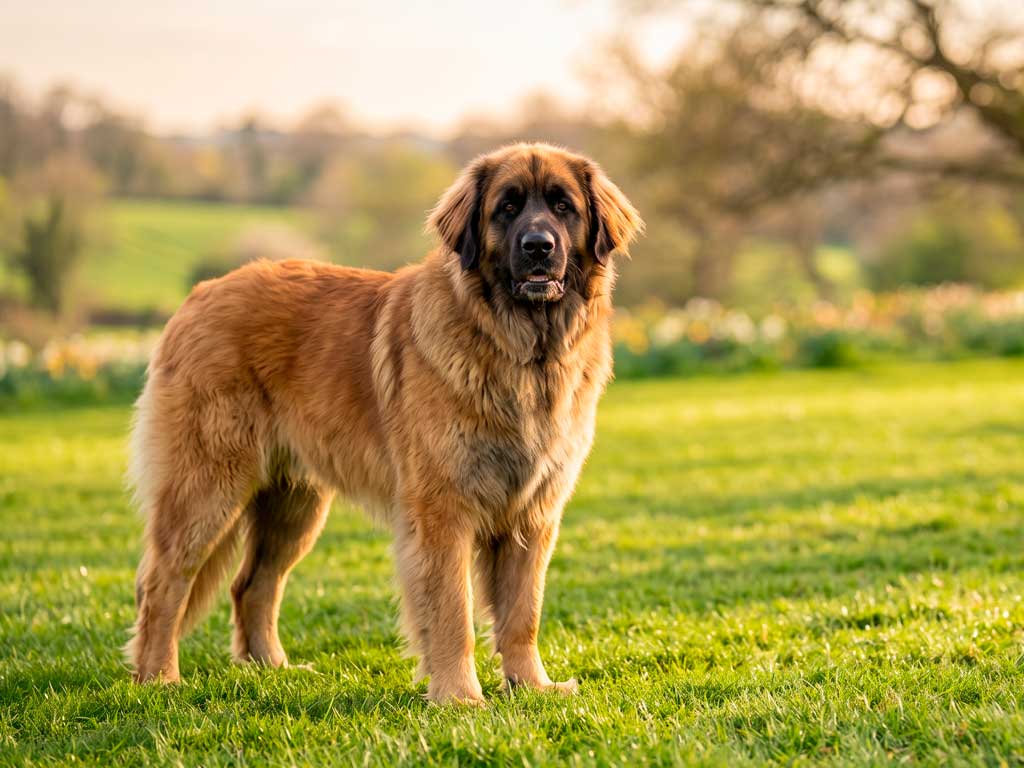
You cannot mistake the immense size and proud bearing of a mature Leonberger when it enters a room. Adult males usually stand between 28 and 31.5 inches tall at the shoulder. Meanwhile, healthy females present a slightly smaller silhouette ranging from 25.5 to 29.5 inches.
A fully grown male can easily weigh up to 170 pounds of solid bone and muscle. Females typically maintain a lighter weight framework that ranges between 90 and 140 pounds. Additionally, their magnificent double coat features a striking, water-resistant outer layer that protects them from harsh weather.
This abundant fur creates a prominent, beautiful lion-like mane around their neck and chest area. Their coat colors are highly diverse, featuring lion-yellow, golden-red, dark brown, and pale sandy tones. Most importantly, every purebred individual must display a distinct, deep black mask on their face. This facial masking frames their dark brown, medium-sized eyes perfectly.
Their large ears are set high and drop flat against the sides of their broad head. Furthermore, they possess strong, heavily muscled limbs that allow for an elegant and ground-covering stride. This powerful combination of strength and agility sets them apart from more sluggish giant breeds.
Temperament and Personality
The outstanding temperament of this breed makes them highly desirable companions for active, spacious households. They are famous across the world for being gentle giants who exhibit incredible patience with young children. Because of their deep attachment to humans, they want to participate in every single family event.
They possess a calm, self-assured composure that prevents them from becoming easily startled by loud noises. However, their massive physical size means they can accidentally knock down small toddlers during enthusiastic play sessions. While they are incredibly affectionate at home, they can act somewhat reserved around unfamiliar guests.
They make excellent natural watchdogs because their deep, booming bark will easily deter any potential intruder. Nevertheless, they completely lack aggressive biting tendencies and prefer to peacefully deter threats using their imposing presence. Chronic isolation will break their sensitive spirit and lead to destructive household behaviors over time.
For this reason, they should never be relegated to living alone in a backyard kennel. They thrive when they are treated as full members of the human pack environment. This intense social need makes them incredibly loyal but highly demanding of your time.
Care Guide
Properly managing a giant working canine requires a substantial daily investment of your personal time and energy. You must prepare your home lifestyle and budget to handle their significant care requirements comfortably. Consequently, you must prepare to invest in premium accessories and professional support.
Diet and Nutrition
Providing balanced nutrition is absolutely vital for supporting their heavy skeletal structure during their rapid growth phases. Furthermore, you should select a high-quality commercial kibble designed specifically for giant dog breeds. Make sure the food formula contains optimal levels of calcium to regulate proper bone development.
These giant dogs can suffer from life-threatening gastric torsion if they swallow their meals too fast. To minimize this dangerous risk, you must split their total daily ration into two or three smaller meals. Additionally, avoid any strenuous exercise sessions for at least one hour after their feeding times.
Using specialized slow-feeder bowls can also successfully prevent them from gulping down large amounts of kibble. Consequently, always keep an abundant supply of fresh, clean water available throughout the house to keep them hydrated. Monitoring their body condition score monthly ensures they do not become overweight.
Exercise Requirements
An active Leonberger requires at least one hour of structured physical exercise every single day. Long walks, hiking adventures, and swimming excursions are ideal activities for maintaining their muscular fitness. In fact, their unique webbed feet make them exceptionally strong and talented natural swimmers.
Mental enrichment is equally critical to keep their sharp brains properly occupied and out of trouble. For instance, you can introduce interactive training games, advanced tracking exercises, or cart-pulling activities in your yard. Failing to provide these physical outlets will inevitably result in a frustrated, restless giant.
Fortunately, providing sufficient daily exercise ensures they remain perfectly calm, relaxed, and quiet when relaxing indoors. They will happily lounge at your feet once their physical energy has been spent productively. This balance between outdoor athleticism and indoor calmness is a hallmark of the breed.
Grooming Needs
Managing their massive double coat demands a rigorous and consistent grooming routine from dedicated owners. You must brush their dense fur at least three times a week to prevent painful knots. Specifically, a high-quality metal undercoat rake and a slicker brush are essential grooming tools for this task.
They shed moderately throughout the year and experience heavy seasonal coat blows twice annually. During these intense shedding periods, daily brushing becomes completely mandatory to control the floating loose hair. Because of this, investing in a heavy-duty vacuum cleaner is a wise choice for your home.
Regularly check their floppy ears for trapped moisture to avoid painful yeast or bacterial infections. Additionally, trim their strong nails monthly to prevent structural discomfort and walking difficulties while they run outside. Routine teeth cleaning with dog-safe toothpaste will complete their basic physical hygiene regimen beautifully.
You should also check their skin for hot spots during humid weather conditions. Their thick fur can hide minor wounds or irritations until they become major medical concerns.
Training and Education
Training a Leonberger requires a remarkably gentle touch combined with absolute consistency from day one. Fortunately, these highly intelligent dogs respond beautifully to positive reinforcement methods like enthusiastic praise and tasty rewards. Harsh punishments will only damage your bond of trust and make them fearful or uncooperative.
Because they grow so incredibly large, teaching loose-leash walking must begin during early puppyhood. An untrained adult individual weighing 150 pounds can easily pull an average owner down the street. Therefore, comprehensive early socialization is completely mandatory for managing this large guardian breed safely.
Expose your young canine companion to various public environments, strange noises, and diverse people regularly. This proactive exposure ensures they develop into confident, well-behaved adult family members who handle novelty calmly. Keep your training sessions short and entertaining to prevent them from losing interest too quickly.
Advanced obedience classes offer a wonderful way to challenge their intellect and strengthen your leadership. They love having a clear job to do and appreciate structured guidance from their handlers.
Health and Longevity
Disclaimer: The following health information serves educational purposes only and requires professional veterinary verification.
The average lifespan of a healthy Leonberger ranges between 7 and 9 years. Like many giant breeds, they face specific genetic health vulnerabilities during their relatively short lifetime.
For example, hip and elbow dysplasia can cause painful joint inflammation and debilitating arthritis. Ethical breeders actively screen their adult stock using specialized orthopedic evaluations to protect future puppies. They are also uniquely susceptible to a severe neurological disorder known as Leonberger Polyneuropathy.
Furthermore, specific types of bone cancer like osteosarcoma can occasionally affect this large canine population. Regular veterinary checkups are vital for monitoring their internal organ health and catching issues early. Maintaining a lean body weight will dramatically reduce dangerous strain on their developing joints.
You should discuss proactive preventative steps for bloat with your regular veterinarian as well. Some owners choose a preventative surgical procedure called a gastropexy to secure the stomach safely.
Is This the Right Dog for You?
Deciding to adopt a Leonberger requires an honest and thorough evaluation of your current lifestyle habits. If you possess a spacious home and desire a loyal family protector, they are outstanding companions. Active families who enjoy frequent outdoor adventures will appreciate their enthusiastic partnership in the field.
However, apartment dwellers or busy professionals should definitely consider a smaller, less demanding breed. They require extensive human companionship and simply cannot handle being left alone all day long. You must also feel fully prepared to manage the immense shedding and regular grooming responsibilities.
Start with establishing a consistent socialization routine early because it has the biggest impact on adult behavior. Ultimately, providing them with structured attention ensures you receive absolute devotion and love for many wonderful years. You can discover more step-by-step care resources directly on happypetzone.com to prepare your household today.
Frequently Asked Questions (FAQ)
Do Leonbergers drool a lot?
They drool significantly less than other giant breeds like Mastiffs or Saint Bernards. However, you should still expect a bit of drool after they drink water or get excited.
Are they good inside apartments?
No, their massive physical size and exercise needs make apartment living highly impractical. They thrive best in spacious suburban or rural homes that feature a large, securely fenced yard.
How much do they shed?
They shed a substantial amount of hair consistently throughout the entire course of the year. Additionally, they completely blow their heavy undercoat twice a year during major seasonal shifts.
Are Leonbergers easy to train?
Yes, their high intelligence and natural eagerness to please make training a highly rewarding process. You must focus on positive reinforcement methods to keep them motivated and cooperative.
Can they tolerate hot weather?
Their thick double coats make them highly sensitive to extreme heat and humidity. Therefore, you must provide cool indoor spaces and fresh water during summer months to protect them.