Scottish Deerhound: The Complete Guide to This Gentle Giant
You will discover exactly how to raise a healthy Scottish Deerhound in this definitive breed guide. Fortunately, our dedicated editorial team combines decades of canine behavior experience to provide highly practical insights for dog owners. Specifically, we will analyze their unique exercise demands, grooming schedules, and critical training steps.
Therefore, you should keep reading to find out if this majestic giant fits your active lifestyle.
History and Origin of the Scottish Deerhound
The history of the Scottish Deerhound dates back to ancient times in the rugged highlands of Scotland. Historically, these powerful sighthounds were bred specifically by Scottish clans to hunt massive red deer through coursing. These athletic dogs needed incredible stamina and speed to pursue large game across treacherous mountain terrains.
Furthermore, ownership of these magnificent canines was strictly restricted to the high nobility and chieftains. During the age of chivalry, a lord’s status was often measured by the quality of his hunting hounds. Consequently, the breed became an exclusive symbol of wealth, power, and aristocratic privilege throughout the Scottish realm.
However, the decline of the traditional clan system and the introduction of firearms nearly caused their extinction. Fortunately, dedicated breed enthusiasts in the early nineteenth century successfully revived these noble hounds from a few remaining lines. Today, they still retain their superb hunting instincts while thriving as gentle family companions in modern homes.
Physical Characteristics
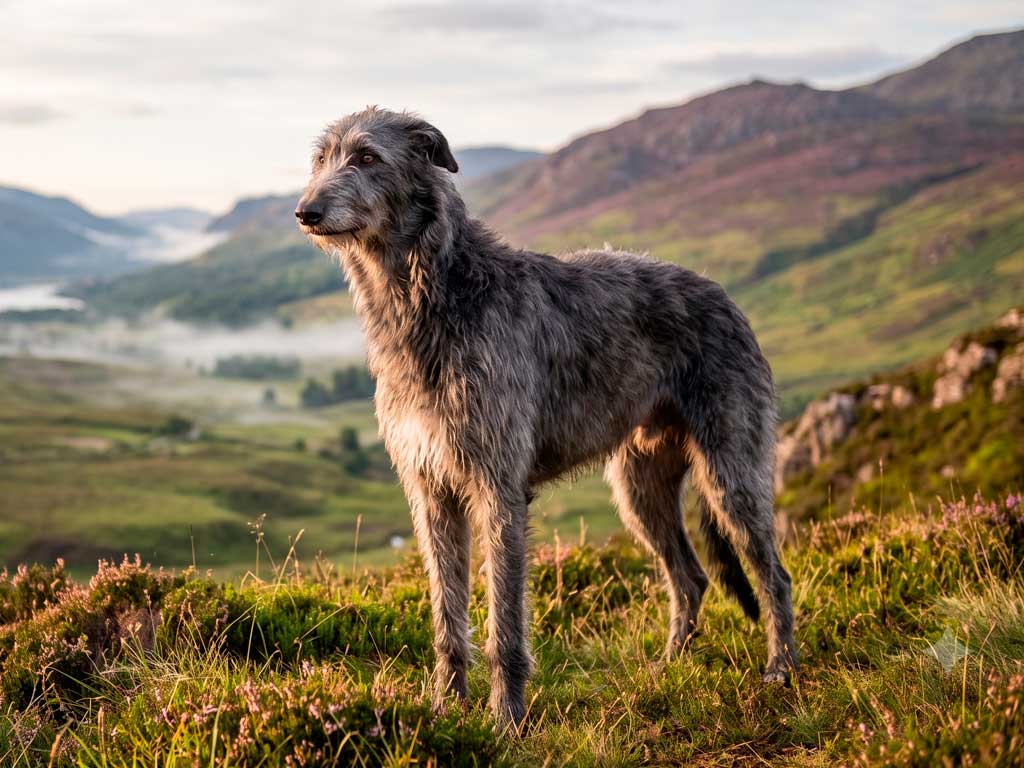
You will immediately notice the impressive size and elegant, athletic build that defines this breed. Adult male individuals typically stand between 30 and 32 inches tall at the shoulder when fully mature. In contrast, female dogs are slightly smaller and measure between 28 and 30 inches in height.
Healthy adult males generally weigh anywhere from 85 to 110 pounds when properly developed. Females usually maintain a lighter weight range between 75 and 95 pounds throughout their adult lives. Their physical structure resembles a larger, heavier Greyhound covered in a thick, protective coat of harsh hair.
Most importantly, their unique weather-resistant coat feels crisp, dry, and distinctly wiry to the touch. This rugged fur displays beautiful shades of blue-gray, dark gray, brindle, or fawn with darker markings. Their dark, expressive eyes convey a look of gentle affection combined with an underlying canine intensity.
Temperament and Personality
The temperament of this magnificent sighthound is widely celebrated for its remarkable gentleness and quiet dignity indoors. They possess a sweet, easygoing nature that makes them incredibly affectionate companions for calm households. Because of this relaxed disposition, they are often described as absolute couch potatoes when relaxing inside the home.
However, their historical hunting background means they instantly transform into high-velocity athletes when taken outdoors. They retain an exceptionally strong prey drive that compels them to chase rapidly moving objects or small animals. Therefore, you must always keep them on a secure leash or inside a safely fenced area.
They form deep emotional attachments to their human families and prefer to remain close to their owners. Meanwhile, their friendly disposition ensures they usually welcome unfamiliar house guests with polite curiosity rather than aggressive suspicion. They generally get along beautifully with children and other large dogs if socialized properly during puppyhood.
Care Guide
Properly managing a giant sighthound requires a significant daily investment of your time and financial resources. You must establish structured routines to ensure this large breed remains physically healthy and mentally satisfied.
Diet and Nutrition
Providing optimal nutrition is essential for maintaining the long-term bone and joint health of your giant dog. You should select a premium commercial kibble formulated specifically for giant, fast-growing canine breeds. Make sure the recipe features real meat as the primary ingredient to support lean muscle mass effectively.
Furthermore, you must monitor their daily calorie intake carefully to prevent unwanted weight gain. Extra body mass puts dangerous strain on their sensitive skeletal structure and can cause severe orthopedic complications. For this reason, you should measure their daily food portions precisely using a digital kitchen scale.
Because they are deep-chested, they face a high risk of developing life-threatening gastric dilatation-volvulus. This dangerous condition occurs when the stomach fills with gas and twists unexpectedly after rapid eating. Consequently, you should divide their total daily food allowance into two or three separate, smaller meals.
Additionally, avoid any vigorous exercise sessions for at least one full hour after every feeding time.
Exercise Requirements
An athletic dog requires a specific type of physical activity to satisfy its unique physiological needs. While they do not need hours of continuous jogging, they absolutely require opportunities to sprint at full speed. Therefore, access to a large, securely fenced open space is ideal for their daily routine.
You should also provide at least 60 minutes of structured walking exercise every single day. Mental stimulation is equally vital for keeping their intelligent minds fully engaged and preventing destructive boredom. You can introduce interactive puzzle toys or participate in controlled lure coursing events to challenge their instincts.
Failing to provide proper physical outlets can result in an anxious or restless animal indoors. Regular opportunities to stretch their long legs will ensure they remain perfectly calm and quiet inside your house. Outdoor adventures in safe zones are essential for keeping their specialized muscles toned and joints flexible.
Grooming Needs
Caring for the harsh, wiry coat of this hound is surprisingly straightforward compared to other long-haired breeds. You should brush their tousled fur at least twice a week using a sturdy slicker brush and a metal comb. This regular maintenance easily removes loose hair, eliminates dirt, and prevents painful mats from forming.
Fortunately, their rugged coat naturally repels mud and moisture, meaning full baths are rarely required. You should only wash them every few months using a gentle canine shampoo designed for coarse fur. Excessive bathing can strip away natural skin oils and diminish the coat’s weather-resistant properties.
Additionally, remember to trim their fast-growing nails monthly to prevent discomfort and structural walking difficulties. Routine dental care and weekly ear cleanings will complete their basic physical hygiene plan perfectly. Regular inspections of their skin will help you catch any minor irritations before they become serious infections.
Training and Education
Training a Scottish Deerhound requires an abundance of patience, gentle consistency, and a thorough understanding of sighthound behavior. These sensitive dogs learn concepts quickly but possess an independent mindset that rejects harsh, repetitive commands. For this reason, utilizing positive reinforcement methods like tasty treats and enthusiastic praise yields the best results.
Punishment or physical dominance will only cause them to shut down completely and lose trust in your leadership. You should keep training sessions short, creative, and highly engaging to maintain their focused attention. Early puppy socialization is absolutely mandatory to ensure they handle unfamiliar environments and foreign noises calmly.
Expose your young canine to diverse people, friendly animals, and different outdoor locations safely from day one. This proactive approach helps them develop into confident, well-adjusted adults who remain relaxed in public spaces. Establishing clear household rules early prevents them from testing your personal boundaries as they grow larger.
Health and Longevity
Disclaimer: The following health information serves educational purposes only and requires professional veterinary verification.
The Scottish Deerhound enjoys a reasonably robust constitution but has a relatively short lifespan of 8 to 11 years. As with many giant breeds, they are genetically predisposed to specific hereditary medical conditions over time.
For instance, dilated cardiomyopathy is a serious cardiac disorder that can impact the breed’s heart function.
In addition, bone cancer and severe orthopedic issues like hip dysplasia can occasionally manifest in large hounds. Responsible breeders actively screen their adult stock using specialized health evaluations to avoid passing these traits to puppies. Sighthounds also possess a unique metabolism that makes them extremely sensitive to standard veterinary anesthesia protocols.
Regular veterinary wellness examinations are vital for monitoring their internal health and catching potential concerns early. Maintaining an active lifestyle combined with a lean body mass supports their cardiovascular health perfectly. Ultimately, proper preventive care ensures your beloved companion enjoys a comfortable, high-quality life during their senior years.
Is This the Right Dog for You?
Deciding to adopt a Scottish Deerhound requires an honest evaluation of your current household dynamics and lifestyle habits. If you desire a loyal, incredibly gentle, and dignified partner who loves lounging, they are exceptional. Active owners who can provide secure acreage for sprinting will match their physical needs beautifully.
However, busy city dwellers living in small apartments without yards should consider a different breed. These giant dogs need ample physical space to stretch out comfortably and move without bumping into furniture. Furthermore, you must feel fully prepared to invest in high-quality giant breed nutrition and regular health screenings.
Start with establishing a consistent daily routine because structured care has the biggest impact on their long-term well-being. Providing them with calm affection ensures you receive absolute devotion and quiet companionship for many wonderful years. You can discover additional step-by-step care resources directly on happypetzone.com to prepare your home today.
Frequently Asked Questions (FAQ)
Do Scottish Deerhounds bark a lot?
They are generally very quiet dogs who rarely vocalize without a specific reason. They do not make reliable watchdogs because they usually welcome strangers with polite indifference rather than protective barking.
Are they good with domestic cats?
Their intense sighthound prey drive makes living with small pets like cats highly risky. While some can tolerate a household cat if raised together, they will likely chase unfamiliar outdoor felines instinctively.
How much exercise do they need?
They require around 60 minutes of daily walking combined with a few opportunities to sprint freely each week. They are built for short bursts of extreme speed rather than continuous, long-distance endurance running.
Do they shed a lot of hair?
They shed a moderate amount of fur consistently throughout the course of the year. Regular brushing a few times a week easily keeps the loose hair under control and out of your home.
Are they easy to housebreak?
They are intelligent animals who typically understand house training concepts relatively quickly. Using a consistent schedule and positive reinforcement will ensure total housebreaking success within a few weeks.