The Argentine Dogo: The Complete Ultimate Guide to This Powerful & Loyal Breed
The Argentine Dogo is one of the most impressive large dog breeds you’ll encounter—powerful, fearless, and fiercely loyal to the people it loves. If you’re researching this breed, you probably already know it’s not for everyone. This dog demands an experienced owner who understands confident leadership, physical fitness requirements, and the true nature of what it means to share your life with a guardian breed.
That said, for the right family or individual, the Argentine Dogo becomes an unparalleled companion.
In this guide, we’re covering everything you need to know before bringing one home: history, physical traits, temperament, care requirements, training strategies, health concerns, and—most importantly—whether this breed is actually the right fit for your lifestyle.
History and Origin
The Argentine Dogo has a fascinating backstory—one that explains exactly why these dogs are built the way they are.
This breed was created in Argentina in the 1920s by Dr. Antonio Nores Martínez, a medical doctor and passionate dog enthusiast. His mission was clear: develop a large hunting dog capable of tracking and subduing big game like wild boar and pumas across the rugged Argentine terrain.
Here’s what makes the origin story important for potential owners: this breed was engineered for a specific purpose. That purpose wasn’t lap-dog companionship. It was hunting large, dangerous prey. The physical power, prey drive, and independent nature you see in the modern Argentine Dogo aren’t accidents—they’re deliberate genetic traits passed down across generations.
Dr. Martínez crossed several breeds to create the Argentine Dogo, primarily drawing from the Cordoban Fighting Dog (now extinct) and selectively breeding for strength, speed, and hunting intelligence. The result was recognized by the Argentine Kennel Club in 1964 and later by the Fédération Cynologique Internationale (FCI) in 1973.
The breed remained relatively obscure outside South America for decades. But as more people discovered its loyalty and protective instincts, the Argentine Dogo began spreading to North America and Europe. Today, it’s recognized worldwide—though it’s still considered a rare and specialized breed outside its native country.
Physical Characteristics
Walk into a room with an Argentine Dogo, and you’ll understand immediately why this breed commands attention.
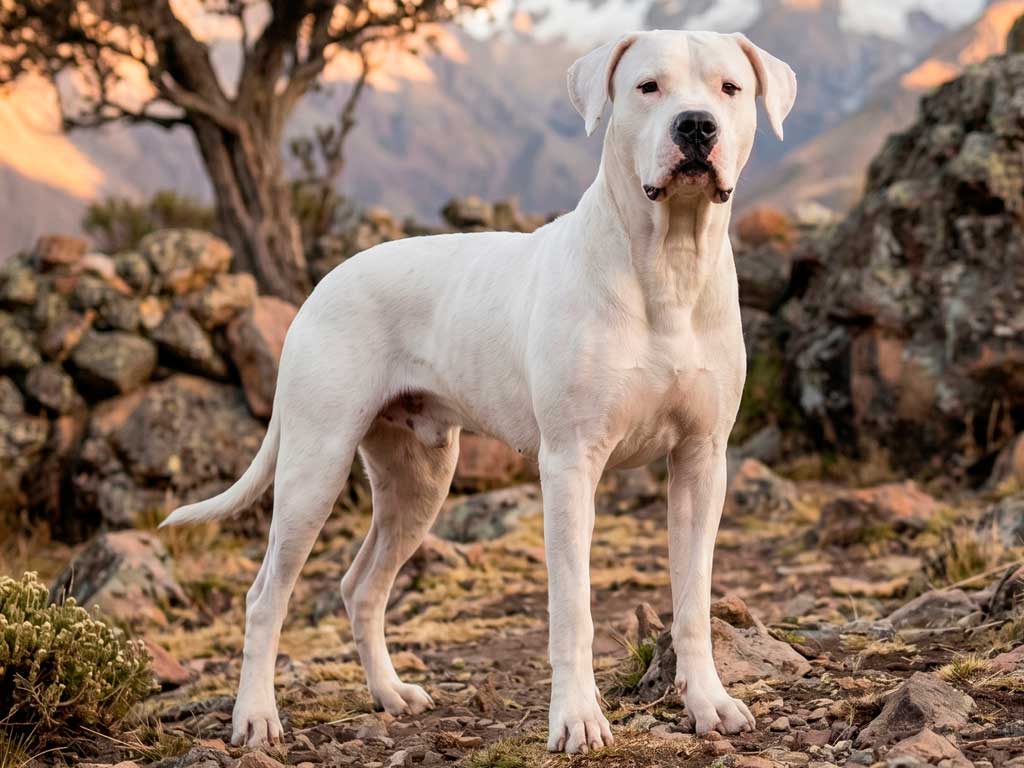
The Argentine Dogo is a large, muscular dog with an athletic build designed for endurance and explosive power. Here’s what you’re looking at:
Size and Build:
- Males typically stand 24-27 inches (60-68 cm) at the shoulder
- Females are slightly smaller, around 24-26 inches
- Weight ranges from 88-100 pounds (40-45 kg) for healthy adults
- The body is longer than it is tall, built for agility rather than bulk
Coat: The Argentine Dogo’s defining feature is its pure white, short coat. This isn’t accidental—the white coloring serves a practical purpose. In the field, hunters could easily distinguish their dogs from wild game. Modern breed standards specify a completely white coat, though a small dark patch on the head (not exceeding 10% of the total surface area) is permitted by some breed clubs.
The coat sheds moderately year-round and heavily during seasonal changes. Weekly brushing keeps it manageable and reduces shedding around your home.
Head and Facial Structure: The head is broad and powerful, with a strong muzzle and well-developed jaw. The ears are naturally drop ears, though ear cropping has been a traditional practice (though increasingly discouraged in many countries due to animal welfare concerns). The eyes are typically dark and alert, giving the breed a serious, concentrated expression.
Overall Presence: What strikes most people first is the combination of muscularity and elegance. The Argentine Dogo isn’t a bulky dog; it’s a lean, powerful athlete. Every muscle visible beneath the skin tells you exactly what this breed was designed to do: hunt, track, and move with explosive force.
Temperament and Personality
This is where Argentine Dogo ownership gets real.
The temperament of the Argentine Dogo is paradoxical in a way that confuses many first-time researchers. To the outside world, this is an intimidating, serious dog—a guardian that looks like it could take down a mountain lion (because it actually can). But to its family, the Argentine Dogo is affectionate, playful, and deeply bonded.
Loyalty and Bonding: The Argentine Dogo forms an almost unbreakable bond with its owner and immediate family. This breed is genuinely happiest when it’s with you. Unlike some independent dog breeds, the Argentine Dogo doesn’t tolerate isolation well. If you’re looking for a dog that’s content to spend 8-10 hours alone every day, this isn’t it.
This loyalty comes with a protective edge. The breed has a natural instinct to defend what it considers “theirs”—and that includes you. This isn’t aggression in the traditional sense; it’s protective awareness.
Confidence and Courage: The Argentine Dogo was bred to confront dangerous prey alone. This genetic history shows up as unshakeable confidence. These dogs aren’t anxious or insecure. They know what they’re capable of, and they trust themselves.
This confidence can sometimes read as stubbornness, especially during training. The breed won’t automatically obey just because you said so. It wants to understand the logic behind the command.
Social Behavior: Here’s the critical distinction: the Argentine Dogo is loyal and affectionate to its family but reserved with strangers. Early and consistent socialization is non-negotiable if you want a dog that can handle vet visits, groomers, or unexpected visitors without escalating to aggression.
The breed has a strong prey drive inherited from its hunting roots. Small animals—cats, rabbits, small dogs—can trigger chase instincts. Living with smaller pets requires careful management and often isn’t realistic without extensive training.
With Children: The Argentine Dogo is generally patient and protective with children in its own family, but this comes with important caveats. The breed’s size and strength mean accidental injuries can happen. Supervision is essential, especially with young children. Additionally, the breed’s protective nature means it may overreact if it perceives a threat to “its” child from another person.
Care Guide
Owning an Argentine Dogo isn’t just about feeding and basic care. This breed’s requirements are specific and non-negotiable.
Diet and Nutrition
The Argentine Dogo is a large breed with high protein requirements and a fast metabolism. Feeding it correctly is foundational to health, energy levels, and longevity.
What to Feed:
- High-quality commercial kibble formulated specifically for large breeds
- Protein levels between 25-30% for optimal muscle maintenance
- Fat content around 10-15% to support coat health and energy
- Limited or grain-free options if your dog shows signs of food sensitivity
The breed’s strong digestive system handles most quality foods well, but avoid low-quality kibbles with excessive fillers.
How Much: A typical adult Argentine Dogo eats 3-4 cups of kibble daily, split into two meals. This varies based on individual metabolism, activity level, and specific food. Always follow your chosen kibble’s feeding recommendations and adjust as needed.
Overfeeding is a common mistake that leads to joint problems and obesity. A healthy Argentine Dogo should have visible ribs and a clear waist when viewed from above.
Feeding Schedule: Split meals into two daily servings rather than one large meal. This supports better digestion and reduces the risk of bloat, a serious concern in deep-chested large breeds.
Exercise Requirements
This is non-negotiable: the Argentine Dogo requires intense daily exercise.
The breed was genetically programmed to hunt across rough terrain all day. A casual 20-minute walk won’t cut it. Without adequate exercise, the Argentine Dogo becomes destructive, anxious, and difficult to manage.
Daily Requirements:
- Minimum 1-2 hours of intense activity daily
- This includes running, not just walking
- Off-leash play in a securely fenced area is ideal
- Mental stimulation through training or puzzle toys supplements physical exercise
Exercise Options:
- Long trail walks or hiking on varied terrain
- Swimming (excellent for large breeds due to joint impact reduction)
- Playing fetch or flirt poles in a fenced yard
- Running alongside a bicycle (once the dog is fully grown and physically mature)
- Agility training or sports like dock diving
A bored Argentine Dogo is a problematic Argentine Dogo. This breed has the intelligence to find destructive ways to entertain itself if you don’t provide legitimate outlets.
Grooming Needs
The Argentine Dogo’s white coat is relatively low-maintenance compared to many large breeds, but “low-maintenance” doesn’t mean “no maintenance.”
Weekly Brushing: Brush the coat once weekly with a firm-bristled brush to remove dead hair and distribute natural oils. During spring and fall shedding seasons, increase this to 2-3 times weekly.
Bathing: Bathe every 4-6 weeks using a dog-specific shampoo. The white coat can yellow without proper care, so use a whitening or brightening shampoo if coat appearance matters to you.
Nail Care: Trim nails every 4-6 weeks. The thick nails of large breeds grow quickly, and overgrown nails affect gait and joint health.
Ear Cleaning: Check ears weekly for redness, odor, or discharge. Clean with a vet-approved ear solution if needed. The breed’s ear structure (especially if cropped) can make them prone to ear infections.
Dental Health: Brush teeth several times weekly and provide dental chews. Large breeds are prone to periodontal disease, which impacts overall health and lifespan.
Training and Education
Training an Argentine Dogo is one of the most critical aspects of responsible ownership.
This is a breed that requires an experienced hand. The Argentine Dogo’s intelligence, confidence, and physical power mean inconsistent or weak training can create a genuinely dangerous situation. But in skilled hands, this breed is trainable, responsive, and capable of remarkable obedience.
Core Principles:
- Establish Leadership Early: The Argentine Dogo needs to understand that you’re the decision-maker. This isn’t about harsh corrections; it’s about consistency, clear boundaries, and calm authority.
- Socialization is Survival: Early and ongoing socialization with varied people, dogs, and environments is absolutely essential. Waiting until the dog is older or “already aggressive” before addressing socialization is a mistake.
- Use Positive Reinforcement: The breed responds better to reward-based training (treats, praise, toys) than to fear-based methods. However, rewards must be meaningful and properly timed.
- Control the Prey Drive: This is genuinely the hardest part. The breed’s hunting heritage means it has an almost irresistible urge to chase small animals. Training can mitigate this, but it rarely eliminates it entirely. Management through secure fencing is often more practical than training.
- Consistency is Absolute: Every family member must enforce the same rules and boundaries. If one person allows jumping on the couch and another corrects it, the dog learns nothing except confusion.
Key Commands to Prioritize:
- Sit and Down (foundation behaviors)
- Stay (critical for safety in multiple contexts)
- Reliable Recall (genuinely difficult with high prey drive dogs, but possible with dedication)
- Leave It (potentially life-saving around small animals or dangerous items)
Professional Training: A professional trainer experienced with confident, large breeds is money well spent. Ideally, start training before the dog is 6 months old, when physical strength hasn’t completely outpaced control.
Health and Longevity
The Argentine Dogo is a generally healthy breed with a lifespan of 10-12 years—reasonable for a large dog.
However, several health concerns are worth understanding before committing to this breed:
Common Health Issues:
- Hip Dysplasia: Especially common in large breeds, this developmental joint issue can lead to arthritis and mobility problems. Responsible breeders screen parents with OFA or PennHIP certifications.
- Deafness: A concerning genetic issue in the Argentine Dogo, particularly in dogs with predominantly white coats. Some estimates suggest up to 20-30% of the breed may have partial or complete hearing loss. Responsible breeders conduct BAER testing (Brainstem Auditory Evoked Response).
- Hypothyroidism: The breed has some predisposition to thyroid issues, manageable with medication if detected.
- Bloat (Gastric Dilatation-Volvulus): A life-threatening emergency more common in large, deep-chested breeds. Feeding multiple meals daily, avoiding vigorous exercise immediately after eating, and knowing the signs of bloat can reduce risk.
- Eye Issues: Progressive retinal atrophy (PRA) and other eye conditions have been documented in some lines.
Preventive Care:
- Annual veterinary check-ups (twice yearly for senior dogs)
- Genetic health screening before breeding
- Maintaining optimal weight to reduce joint stress
- Staying current with vaccinations and parasite prevention
- Early detection of behavioral changes or physical signs of illness
Is This the Right Dog for You?
The Argentine Dogo is an incredible dog—but it’s a specialized dog.
The Argentine Dogo Is Right For You If:
- You have significant experience with large, powerful dogs
- You can commit 1-2 hours daily to intense exercise
- You live in a home with a securely fenced yard (apartments are genuinely not suitable)
- You’re willing to invest in professional training and socialization
- You understand and accept the protective, territorial nature of the breed
- You have time to build a genuine relationship and not just keep the dog as an afterthought
- You can manage or accept the strong prey drive around small animals
The Argentine Dogo Is NOT Right For You If:
- You’re a first-time dog owner
- You live in an apartment or small space
- You can’t commit to daily intense exercise
- You have young children and no ability to supervise closely
- You have cats, rabbits, or other small animals and expect integration without stress
- You work long hours and leave the dog alone frequently
- You’re looking for an easy, low-maintenance dog
The honest truth: the Argentine Dogo doesn’t belong in most households. But in the right hands—with an experienced, committed owner who understands and respects the breed’s nature—it’s an extraordinary companion.
Frequently Asked Questions
Q: Can Argentine Dogos live with other dogs?
A: Yes, with important caveats. Raised together from puppyhood, Argentine Dogos can coexist peacefully with other dogs, particularly other large breeds of similar strength. However, they can show same-sex aggression (especially males) and will likely chase or kill small dogs. Proper socialization and ongoing management are essential.
Q: Is the Argentine Dogo banned in many countries?
A: The breed has restrictions or bans in certain locations due to breed-specific legislation. Some countries, regions, and cities classify the Argentine Dogo as a “dangerous breed” requiring special permits, liability insurance, or specific containment. Always check local regulations before acquiring one.
Q: How much do Argentine Dogo puppies cost?
A: Reputable breeders typically charge $1,000-$2,500 for puppies, depending on lineage and breeding philosophy. Dogs from show lines or with working backgrounds cost more. Avoid extremely cheap puppies from unknown breeders; this often indicates poor breeding practices and higher risk of health issues.
Q: Are Argentine Dogos good for protection and guard work?
A: Yes, absolutely. The breed excels at personal protection and property guarding. However, this requires professional training and is not advisable for inexperienced owners. Raw protective instinct without proper training can lead to dangerous situations.
Q: What’s the biggest health concern with Argentine Dogos?
A: Deafness is the most significant concern in the breed. Estimates suggest 20-30% have some degree of hearing loss. This is manageable but requires specific training adjustments (using hand signals instead of voice commands). Always request BAER testing results from breeders before purchasing a puppy.
The Argentine Dogo is a remarkable breed—powerful, loyal, and genuinely unique. It’s also a breed that demands respect, experience, and serious commitment.
If you have the experience, time, and lifestyle to meet its needs, the Argentine Dogo will reward you with loyalty and protection that few other dogs can match. But if you’re uncertain, if you lack experience with large breeds, or if you can’t commit to the exercise and training requirements, this breed will make both your life and the dog’s life unnecessarily difficult.
Choose wisely. The Argentine Dogo deserves nothing less.
Exploring Related Breeds?
The Argentine Dogo is part of a broader family of powerful guardian and hunting breeds. If you’re interested in understanding how the Argentine Dogo compares to similar large, protective breeds, we have in-depth guides covering:
- The English Cocker Spaniel (contrasting hunting heritage and temperament)
- The American Cocker Spaniel (different breed trajectory and family suitability)
- Other Large Breed Guides (coming soon)
Check back for comparative breed analysis that helps you identify which powerful breed truly fits your lifestyle.