Cardigan Welsh Corgi: The Ancient Welsh Herder With a Big Heart and Short Legs
The Cardigan Welsh Corgi is a small dog with a surprising amount of substance beneath its compact exterior. Don’t let the short legs fool you—these sturdy Welsh herders were built for serious work moving cattle across rugged terrain. Unlike their more famous Pembroke cousins, Cardigan Welsh Corgis possess a distinct personality, longer history, and physical characteristics that deserve careful consideration. Understanding this breed means recognizing both their remarkable abilities and their specific health vulnerabilities. This comprehensive guide explores everything you need to know about owning a Cardigan Welsh Corgi.
History and Origin: The Ancient Celtic Herder
The Cardigan Welsh Corgi boasts a lineage stretching back to the 13th century B.C., making them one of Britain’s oldest dog breeds. Archaeological evidence suggests Celtic tribes brought these small herding dogs to Wales, where they became invaluable for managing cattle herds across the mountainous Welsh countryside. The breed’s name comes from Cardiganshire, the Welsh region where they were particularly prevalent.
What’s fascinating is the distinction between two seemingly identical breeds. The Cardigan Welsh Corgi and the Pembroke Welsh Corgi were recognized as separate breeds by the British Kennel Club in 1934—but they’re actually related through different regional development. Corgis from the Cardigan region developed in relative isolation, maintaining characteristics that differ significantly from their Pembroke counterparts.
The name “Corgi” itself comes from Welsh: “Ci” means dog, and “Llathaid” means “yard dog”—referring not to their working location but to their length from nose to tail, which measured one old Welsh yard, approximately 40 inches. This naming convention perfectly captures the breed’s distinctive proportions and the precise nature of Welsh herding culture.
Physical Characteristics: The Mighty Mite
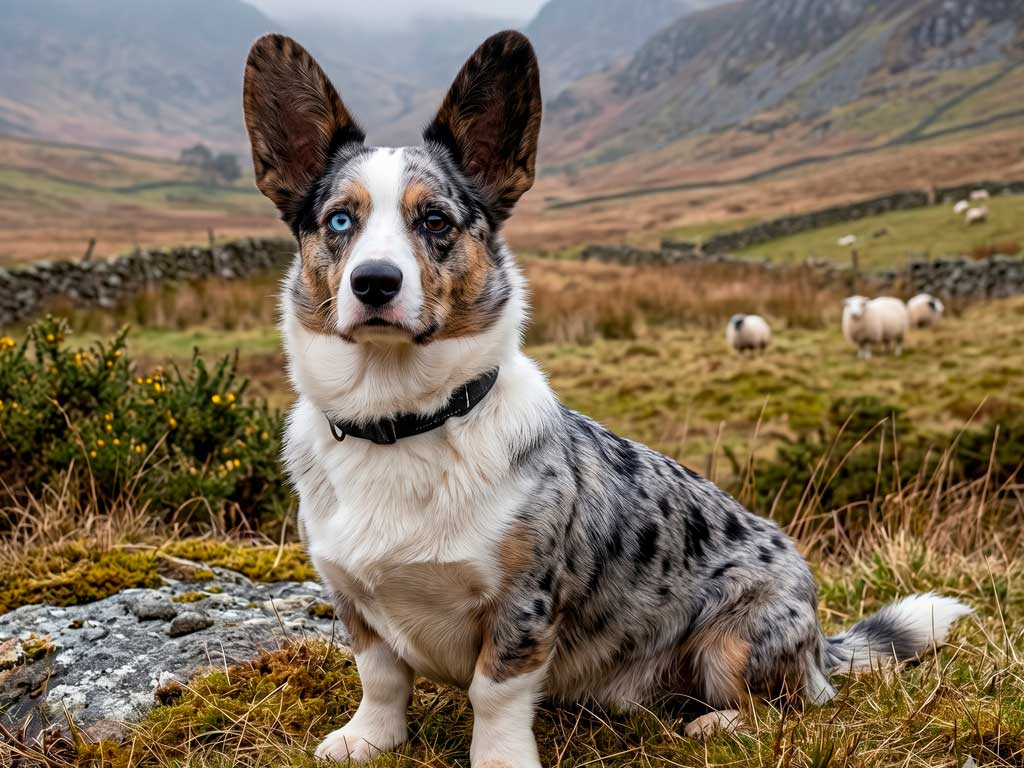
Cardigan Welsh Corgis are small dogs with remarkable substance. Adults stand approximately 30 centimeters tall (about 12 inches) and weigh 15 to 18 kilograms (33 to 40 pounds). Their weight-to-height ratio is notably high, making them significantly more robust than their toy-breed appearance might suggest.
The breed’s most distinctive feature is their body structure: they’re considerably longer than they are tall. This long, low-slung build is no accident—it allowed them to move under cattle without being kicked while driving herds. Their short, sturdy legs provide surprising agility and power despite their length.
The coat is short to medium-length, flat, and water-resistant with a dense undercoat. Cardigan Corgis come in various colors, including red, sable, fawn, and black, often with white markings. Their fox-like head, intelligent eyes, and alert ears give them a charming appearance that belies their herding heritage and working capability.
Temperament and Personality: Energetic and Loyal Family Dogs
Cardigan Welsh Corgis are bundles of energy in a compact package. These dogs genuinely need families that love the outdoors and appreciate active companions. They retain the herding instincts of their ancestors and literally love continuous movement—expect your Cardigan to nip at heels and chase feet as an expression of their herding drive.
These dogs are obedient and deeply loyal to their families. They form strong bonds with their people and remain alert watchdogs, barking to alert their families to activity and changes in their environment. While they make excellent guardians despite their size, this vigilance requires early training to prevent excessive barking.
Cardigan Corgis are intelligent, trainable dogs that respond well to positive reinforcement. Their small size and eager-to-please attitude make them excellent candidates for obedience training and agility competitions. However, prospective owners must understand that herding instinct and the drive to nip at heels requires consistent, patient training to manage in household settings.
Care Guide
Diet and Nutrition
Small-breed dogs require balanced nutrition with appropriate proportions of all major nutrient groups. Cardigan Welsh Corgis need quality food formulated for their size and activity level. Feed twice daily following manufacturer guidelines based on your individual dog’s weight and energy expenditure.
Monitor your dog’s weight carefully—Corgis are prone to obesity, which exacerbates spinal health problems. Maintain regular veterinary check-ups and adjust food portions if your dog begins gaining excess weight. Always provide fresh, clean water throughout the day.
Exercise Requirements
Despite short legs, Cardigan Welsh Corgis require substantial daily exercise—at minimum one hour, though they’re adaptable and will adjust to your family’s lifestyle. These active herders thrive with varied exercise rather than repetitive routines. Long walks, playing in secure yards, and interactive games provide necessary physical stimulation.
The flexibility in their exercise requirements is a significant breed advantage—they can adapt to both active families and more moderate-lifestyle households better than many herding breeds. However, mental stimulation matters as much as physical activity. Puzzle toys, training sessions, and new environments keep their sharp minds engaged.
Grooming Needs
Grooming is remarkably straightforward for Cardigan Welsh Corgis. Their short to medium-length, flat water-resistant coat requires brushing only two to three times weekly to remove dead hair. During seasonal shedding periods, slightly more frequent brushing prevents excessive hair around your home.
The minimal grooming commitment is one of the breed’s practical advantages. Dried mud brushes away easily, making post-adventure cleanup simple. Regular bathing is unnecessary unless your dog becomes particularly dirty—these dogs are naturally clean and odor-free.
Training and Education
Cardigan Welsh Corgis respond excellently to positive reinforcement training. Their intelligence and eagerness to please make them quick learners, though early socialization with children and other animals is crucial.
Address the herding instinct early through training, redirecting the natural desire to nip at heels toward appropriate toys and games. Consistent, patient guidance prevents problem behaviors while channeling their natural instincts productively. Many Corgis excel in obedience competitions and agility trials when given appropriate outlets for their energy and intelligence.
Health and Longevity
Cardigan Welsh Corgis typically live 12 to 14 years, offering reasonable lifespan for their size. However, the breed faces specific health challenges related to their unique body structure.
Hip dysplasia and hereditary eye disorders are concerns in the breed, making pre-breeding health screening essential. More critically, the Cardigan’s long back and short legs predispose them to intervertebral disc disease (IVDD), a serious condition affecting the spine. This is not a minor issue—IVDD can cause pain, mobility problems, and in severe cases, paralysis.
Managing IVDD risk requires careful attention: maintain healthy weight, avoid excessive jumping, use ramps for furniture access, and limit stair climbing. Before acquiring a puppy, ensure the breeder has conducted hip and eye examinations on parents and is aware of—and actively working to reduce—IVDD risk in their breeding program.
Is This the Right Dog for You?
Cardigan Welsh Corgis suit active families and individuals who understand their herding heritage and appreciate their distinctive personality.
Choose a Cardigan Welsh Corgi if you:
- Enjoy daily outdoor activities and active play
- Want an intelligent, loyal family companion
- Appreciate a dog with distinct personality and working heritage
- Can provide consistent training and socialization
- Are comfortable managing herding behavior (heel nipping)
- Understand spinal health concerns and can provide appropriate physical management
- Prefer a small dog with substance and capability
Consider another breed if you:
- Lead a sedentary lifestyle
- Cannot manage herding-related nipping and chasing
- Lack time for training and mental stimulation
- Are unprepared for potential back/spine health issues
- Cannot provide careful weight management
- Dislike barking and alerting behavior
Frequently Asked Questions About Cardigan Welsh Corgis
1. What’s the difference between Cardigan and Pembroke Corgis? Cardigans are older, larger (typically 15-18 kg vs. 11-15 kg), have longer bodies with more substantial bone structure, and possess rounded ears. Pembrokes are smaller, more refined, with pointed ears. Cardigans have longer tails; Pembrokes have traditionally docked tails. Cardigans were recognized as a separate breed in 1934 due to regional development differences.
2. Do Cardigan Welsh Corgis really herd cattle? Absolutely. Despite their small size, Corgis were purpose-bred to drive cattle herds through Welsh mountains. They duck under cattle without being kicked, nipping heels to control movement. This herding instinct remains strong in the breed today—expect heel nipping and chasing behavior requiring management through training.
3. Are Corgis prone to back problems? Yes, significantly. Their long spine combined with short, weight-bearing legs predisposes Cardigan Corgis to intervertebral disc disease. Maintaining healthy weight, limiting jumping, using ramps for furniture, and avoiding excessive stair climbing are essential management strategies. This is a serious breed consideration that shouldn’t be minimized.
4. How much grooming do Corgis require? Cardigan Corgis require minimal grooming—brushing two to three times weekly suffices for their short coat. This is one of the breed’s practical advantages. During seasonal shedding, slightly more frequent brushing prevents excessive hair around your home.
5. Can Corgis live in apartments? Yes, with appropriate exercise. Despite their small size, Corgis are active dogs requiring daily outdoor activity and mental stimulation. Apartment living is manageable if owners commit to regular walks, outdoor play, and training. The breed’s adaptability to moderate exercise levels (unlike high-energy herding breeds) makes urban living feasible with dedicated owners.
Understanding the Complete Picture
The Cardigan Welsh Corgi offers a remarkable combination of ancient heritage, distinctive personality, and compact size. Their intelligence, loyalty, and surprising robustness appeal to owners who appreciate working breeds in small packages.
However, responsible Cardigan ownership requires understanding their specific health vulnerabilities, particularly intervertebral disc disease. Prospective owners must commit to weight management, physical care modifications, and working with breeders who prioritize spinal health.
If you’re drawn to intelligent, active small dogs with distinct personality and working heritage—and you’re prepared to manage their physical care carefully—the Cardigan Welsh Corgi offers exceptional companionship and lifelong joy.
For another ancient, low-slung herding breed from farther north, the Swedish Vallhund may share distant ancestry and has appeared on postage stamps from six different countries.