Pug Dog Breed: Everything You Need to Know Before Getting One
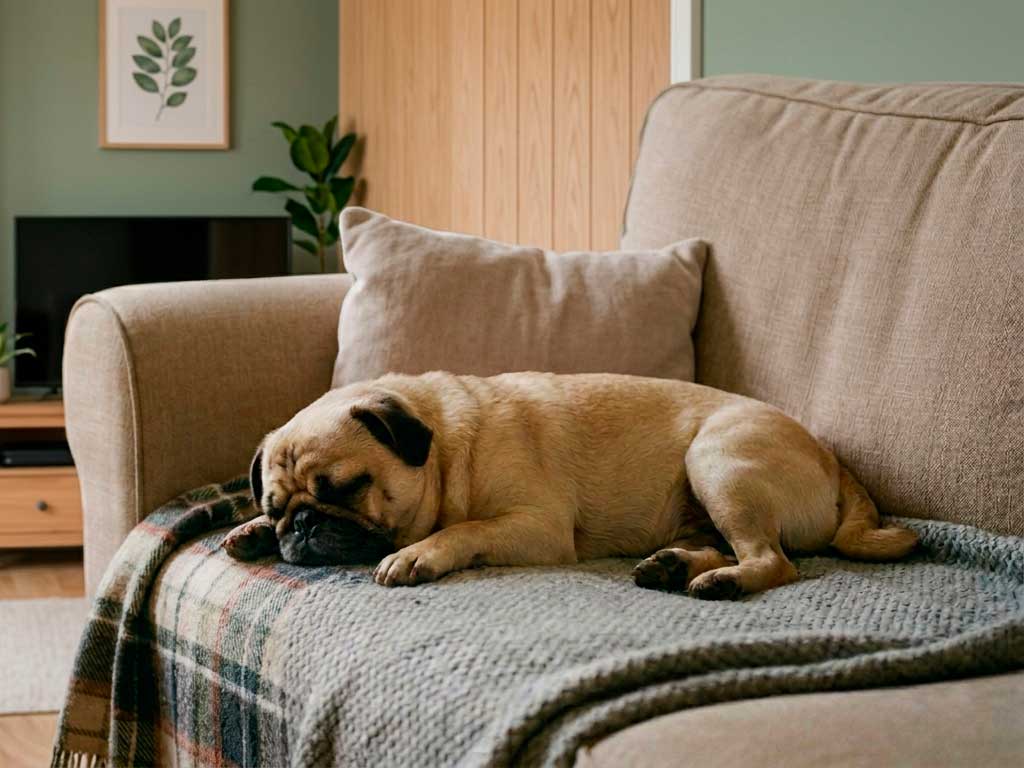
The Pug dog breed is one of the most recognizable — and lovable — small dogs on the planet. Compact, comical, and overflowing with personality, Pugs have charmed royalty, Hollywood, and millions of everyday dog lovers for centuries.
In this article, you’ll get everything: temperament, health risks, care requirements, training tips, and an honest answer to the big question — is a Pug actually the right dog for your lifestyle?
History and Origin of the Pug
The Pug is one of the oldest dog breeds in the world.
Most historians agree the breed originated in ancient China, where it was highly prized by emperors and kept as a luxury companion. Some researchers believe the Pug may even share ancestry with the Pekingese — both breeds sport that distinctive flat face and compact build.
Dutch traders brought the Pug to Europe in the 16th and 17th centuries, where the breed quickly became a favorite among aristocracy. The Netherlands played a central role in developing and popularizing the breed across the continent.
Then came the royal stamp of approval.
When William III and Mary II ascended to the English throne in 1688, their Pugs came with them. From that point on, the breed’s popularity in England exploded. Queen Victoria became one of the most passionate Pug enthusiasts in history — she owned 36 of them, bred them actively, and entered them in dog shows.
The obsession spread to other royals, including King George V and King Edward VIII.
Today, the Pug is classified under the Toy Group by the Kennel Club, confirming its centuries-long role as a companion dog, not a working breed.
Physical Characteristics of the Pug
The Pug has a body that’s instantly recognizable — and surprisingly sturdy for its small size.
Here’s a quick breakdown:
- Weight: 6.3 to 8.1 kg (14 to 18 lbs)
- Height: 25 to 33 cm (10 to 13 inches) at the shoulder
- Size classification: Small / Toy
- Coat: Short, smooth, and glossy — low maintenance
- Colors: Silver, apricot, fawn, or black
The Pug’s face is its defining feature: a flat, wrinkled muzzle, large round eyes that protrude slightly, and deep facial folds. This gives them that permanently surprised — or concerned — expression that owners find irresistible.
Their build is square and compact, making them feel heavier than they look. Despite their small size, Pugs are solid dogs with a muscular frame.
One Latin phrase describes the Pug perfectly: multum in parvo — “a lot in a little.” Big dog energy in a miniature package.
Temperament and Personality of the Pug
If you want a dog with character, you’ve found your match.
The Pug’s personality is one of its biggest selling points. These dogs are:
- Charming and sociable — they warm up to strangers quickly and thrive in social settings
- Playful and comedic — they have a natural gift for making people laugh
- Affectionate — deeply bonded to their owners and families
- Adaptable — equally content in an apartment or a countryside home
- Good with children and other pets — they’re patient and generally easy-going
That said, Pugs do have a clingy side. They dislike being left alone for long periods and can develop separation anxiety if not trained to be comfortable with solitude. If you’re away from home most of the day, a Pug may not be the best fit.
They’re also known for being a little stubborn — not aggressive, just determined. Early socialization helps keep that streak manageable.
And yes — they snore. Loudly. Every night. Consider this a non-negotiable part of the deal.
Care Requirements for the Pug
Diet and Nutrition
Pugs have a fast metabolism, which is common in small breeds. They burn calories quickly and need regular, portion-controlled meals — typically two to three times a day — rather than one large serving.
Choose a small-breed formula dog food. These are specifically designed with:
- Smaller kibble size (fits their smaller mouths and encourages proper chewing)
- Optimal nutrient ratios for compact, energetic dogs
- Calorie density calibrated for their body weight
Weight management is critical. Pugs love food and will overeat if given the chance. Obesity puts additional strain on their already-compromised respiratory system, making breathing even harder.
A healthy diet — combined with proper care — can extend a Pug’s lifespan toward the upper end of its 12–15 year range.
Exercise Requirements
Here’s some good news: Pugs don’t need intense exercise.
30 minutes of gentle daily activity is enough. A calm morning walk, a slow-paced stroll around the neighborhood, or some low-key playtime in the living room checks all the boxes.
However, there are important restrictions to keep in mind:
- Avoid exercise during hot weather. Pugs are extremely heat-sensitive due to their shortened airways. Even moderate temperatures can cause overheating quickly.
- Never leave a Pug in a parked car — even for a few minutes, even in mild conditions.
- Skip high-intensity activities like running, fetch sprints, or rough play that gets their heart rate up too fast.
A Pug’s favorite “exercise” is honestly just following you from room to room. They’re companionship dogs to the core.
Grooming Needs
The Pug’s short coat is surprisingly easy to maintain. A quick brush once a week keeps shedding manageable and the coat looking clean.
But the wrinkles are a different story.
Those deep facial folds trap moisture, debris, and bacteria. If left uncleaned, they become hotspots for skin irritation and infection. Clean the skin inside each fold daily using a soft cloth or dog-safe wipe, then dry the area thoroughly.
In addition, check and clean their ears and eyes every day. Pugs’ protruding eyes are especially vulnerable to discharge, debris, and irritation.
Training and Education
Don’t let the Pug’s small size fool you — these dogs are genuinely trainable.
They respond well to positive reinforcement: treats, praise, and short, consistent training sessions. Keep sessions under 10 minutes to hold their attention, and end on a high note.
Key training priorities:
- Leash and harness training — always use a harness, not a collar, to protect their airway
- Recall training — though they rarely wander far from their person
- Basic obedience — sit, stay, come, leave it
- Fun tricks — Pugs enjoy learning and showing off
The stubbornness can appear during training, especially if the Pug decides it’s not interested in cooperating. Stay consistent and patient. Harsh corrections don’t work with this breed — they simply shut down.
Start training early. The younger the Pug, the faster they pick up good habits.
Health and Longevity
This is the section every potential Pug owner needs to read carefully.
Pugs are a brachycephalic breed — meaning they have a shortened skull structure that results in a flat face and compressed airway. This is what gives them their distinctive look, and it’s also the source of their most serious health challenges.
Common health conditions in Pugs:
- Brachycephalic Obstructive Airway Syndrome (BOAS): The most significant concern. Pugs often have narrowed nostrils, an elongated soft palate, and a narrow trachea. This restricts airflow, limits exercise capacity, and in severe cases, requires surgical correction. The Kennel Club operates a Respiratory Function Grading Scheme specifically for this condition.
- Skin fold dermatitis: The facial wrinkles trap bacteria and moisture, leading to painful skin infections if not cleaned daily.
- Eye ulcers: Due to their protruding eyes, Pugs are prone to corneal ulcers — painful erosions on the eye’s surface.
- Dry eye (keratoconjunctivitis sicca): A condition where the tear glands malfunction, causing chronic discomfort.
- Entropion: A painful eyelid condition where the eyelid rolls inward, causing the eyelashes to irritate the eye.
- Patellar luxation: The kneecap slips out of position — common in small breeds.
- Legg-Perthes disease: Deterioration of the hip joint, typically appearing in young dogs.
- Hemivertebra: A congenital spinal deformity more common in screw-tailed breeds like Pugs.
- Pug Dog Encephalitis (PDE): A serious, breed-specific inflammatory brain disease with a poor prognosis.
Lifespan: 12 to 15 years with proper care.
Before getting a Pug, always request health certificates from the breeder — particularly respiratory grading results. Avoid breeders who prioritize extreme physical features (flatter faces, more pronounced wrinkles) over health.
Is the Pug the Right Dog for You?
Let’s be honest about this.
The Pug is an extraordinary companion — loving, funny, adaptable, and deeply loyal. But it’s also a breed with real medical considerations that affect day-to-day life and long-term costs.
A Pug is a great fit if you:
- Want a low-exercise, apartment-friendly dog
- Are a first-time dog owner who wants something trainable and sociable
- Have children or other pets at home
- Work from home or have flexible hours
- Are prepared for higher-than-average vet bills
Think carefully if you:
- Live in a hot or humid climate without air conditioning
- Leave home for long hours every day
- Want a running or hiking partner
- Are not ready for a dog that snores, wheezes, and breathes loudly
- Are unprepared for potential respiratory surgery costs
A Pug has absolutely no idea it’s a small dog. It will act like the center of the universe — because in its mind, it is.
If you can handle that with love and a good sense of humor, you’ll have one of the most rewarding canine relationships of your life.
Frequently Asked Questions About Pug Dogs
1. How long can a Pug be left alone? Adult Pugs can typically manage up to 6 hours alone if properly trained. However, they’re social dogs who don’t thrive in isolation. Puppies need near-constant supervision and should never be left alone for extended periods.
2. Do Pugs bark a lot? Pugs are generally quiet dogs. They’ll alert bark occasionally, but they prefer napping and shadowing their owners over making noise. If a Pug barks excessively, it’s usually a sign of boredom or anxiety.
3. Are Pugs good with kids? Yes — Pugs are patient, gentle, and enjoy family life. However, avoid rough, high-energy play because their protruding eyes are easily injured, and their breathing limitations mean they can’t sustain heavy activity. Always supervise interactions between Pugs and young children.
4. Do Pugs need a yard? No. Pugs are perfectly happy in apartments and small urban homes. As long as they get their 30 minutes of daily gentle exercise outdoors, a yard is not necessary — though they’ll certainly enjoy one if available.
5. Are Pugs expensive to own? More so than many breeds, yes. Their brachycephalic anatomy means more frequent vet visits, higher pet insurance premiums, and the possibility of surgical costs for respiratory or eye conditions. Budget for this upfront rather than being caught off guard later.
Think a Pug could be your next companion? Learn more about other small and toy breeds to find the perfect match for your lifestyle.
For another ancient companion breed with royal ties, the Tibetan Spaniel spent centuries as a revered monastery watchdog in the Himalayas, gifted only to Buddhist rulers.