Afghan Hound Dog Breed: The Complete Guide to This Ancient, Elegant Sighthound
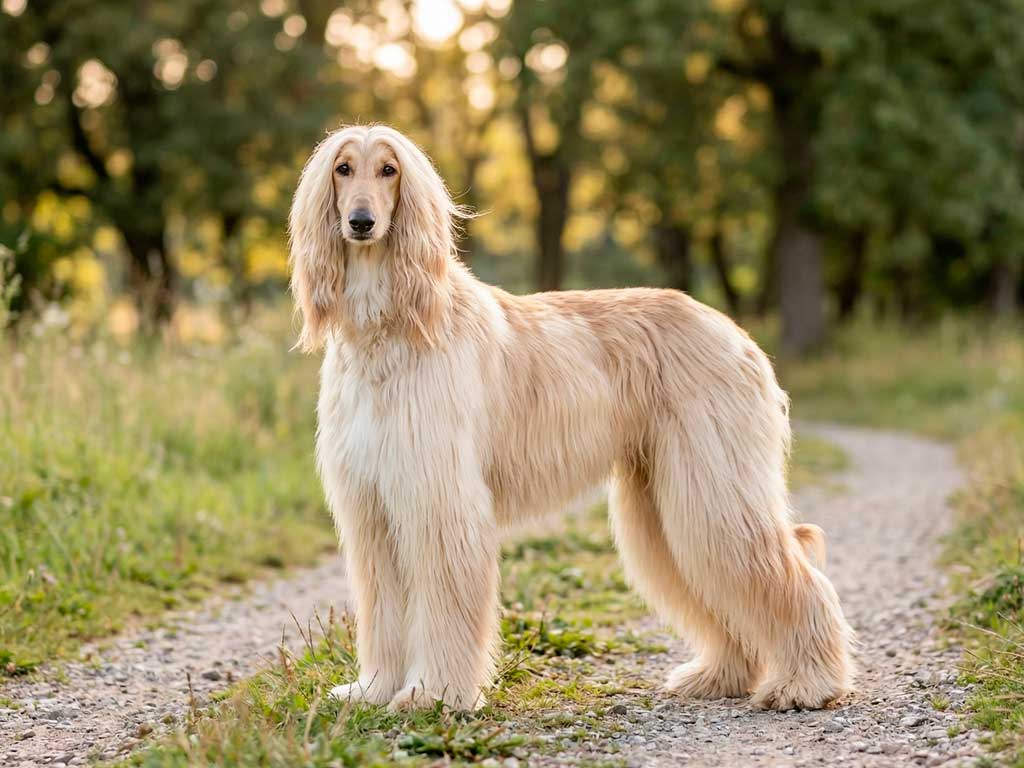
Few dogs stop people in their tracks quite like the Afghan Hound. With a flowing silken coat, an aristocratic head held high, and a gait that belongs on a runway, this breed turns heads everywhere it goes. But beneath all that glamour lives one of the oldest, most complex, and most fascinating dogs on the planet. If you’re drawn to the Afghan Hound, this guide will tell you everything you need to know — including whether you’re truly ready for the commitment this magnificent breed demands.
History and Origin
The Afghan Hound is one of the oldest dog breeds in recorded history, and its exact origins remain shrouded in legend. We do know that the breed first captured Western attention in the 19th century, when British soldiers and explorers encountered it in the mountains and plains of Afghanistan. What they found was a dog that had been refined over millennia for one of the most demanding jobs imaginable: hunting large and dangerous prey across brutal terrain.
In Afghanistan, different regional varieties of the breed were used to guard and herd livestock, assist in mountain hunts, and bring down quarry as formidable as deer, antelope, hares, wolves, jackals, and even snow leopards. To do this, the Afghan needed explosive speed, fearless independence, and the stamina to work all day in harsh conditions. These traits are hardwired into the breed to this day.
One of the more delightful legends surrounding the Afghan Hound claims it was among the animals rescued aboard Noah’s Ark — a story that speaks to just how ancient and storied this breed’s reputation truly is. By the early 20th century, the Afghan had found its way into the homes of European aristocracy, where its breathtaking appearance made it a natural show dog and status symbol. The American Kennel Club officially recognized the breed in 1926.
Physical Characteristics
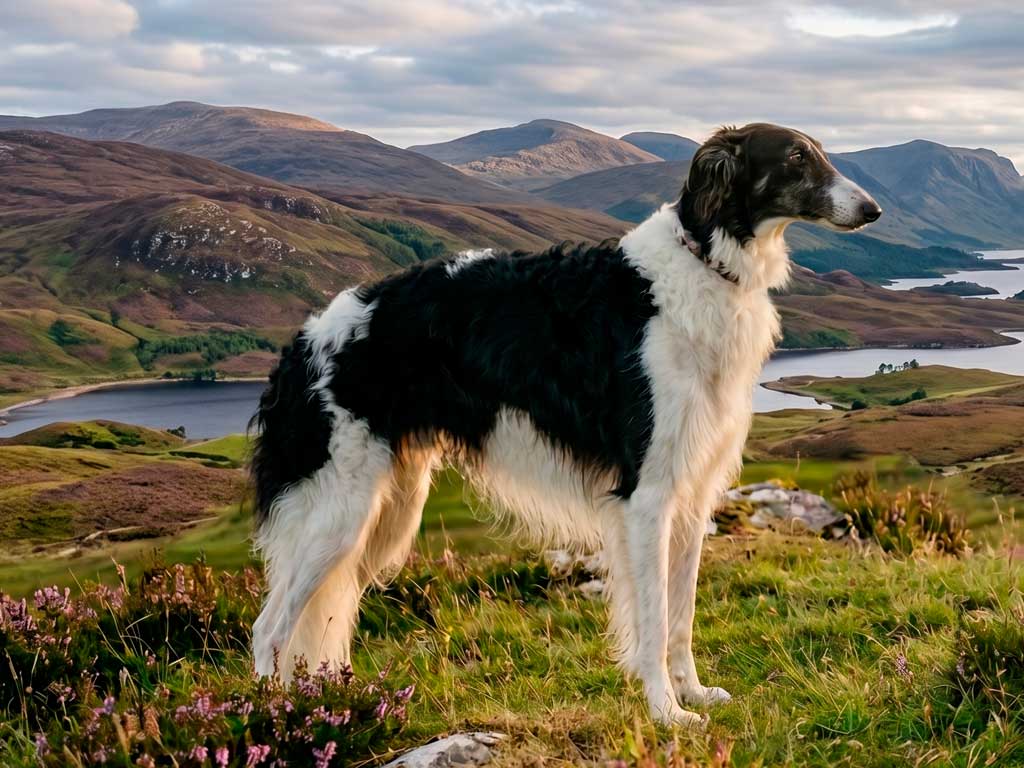
The Afghan Hound is a large, athletic sighthound built for both speed and endurance. Males stand between 27 and 29 inches (68–74 cm) at the shoulder; females measure 25 to 27 inches (63–69 cm). Weight typically falls between 44 and 60 pounds (20–27 kg), depending on sex and build — a lean, muscular frame that belies just how fast this dog can move.
The Afghan’s most iconic feature is its long, thick, silky coat, which drapes over the body in a way that seems almost impossibly glamorous. The coat can come in virtually any color or combination — black, cream, red, brindle, blue, silver, white, and everything in between. The face features a refined, elongated muzzle, dark almond-shaped eyes that carry a faraway, almost melancholy expression, and long, pendant ears draped in silky hair.
The body itself is a masterpiece of athletic engineering: a deep chest, tucked abdomen, powerful hindquarters, and a distinctive hip structure that sits higher than the shoulders, giving the Afghan its unique topline and contributing to that legendary stride. When this dog runs at full speed — up to 40 miles per hour (64 km/h) — it is an awe-inspiring sight.
Temperament and Personality
The Afghan Hound is not a dog for everyone, and a big part of that comes down to personality. This is a breed that is deeply loyal and affectionate with its own family while remaining notably aloof and reserved around strangers. Don’t expect an Afghan to rush over and greet every visitor at the door — this dog decides who earns its warmth, and that selectivity is part of its ancient character.
Within the home, the Afghan is sensitive, loving, and often surprisingly playful. They bond deeply with their people and thrive on connection, though they express that connection more through proximity and quiet companionship than through boisterous enthusiasm. They have an undeniable sense of humor — many owners describe the Afghan as quietly mischievous in a way that keeps life interesting.
Their sighthound instinct to chase is deeply ingrained. Anything that moves — a squirrel, a bicycle, a plastic bag in the wind — can trigger a full-speed pursuit. This is not disobedience; it’s biology. Understanding this is critical to keeping your Afghan safe.
They can coexist with other pets, but early introduction is essential. Homes with very young children should approach with awareness, as Afghans can be sensitive to rough or unpredictable handling and may not appreciate the chaotic energy of toddlers.
Complete Care Guide
Diet and Nutrition
As a large, active breed, the Afghan Hound requires a high-quality diet formulated for large dogs, providing the right balance of protein, fat, vitamins, and minerals to support their lean muscle mass and high energy demands. Look for foods where a named protein source appears as the first ingredient.
One important health consideration: Afghans are prone to bloat (gastric dilatation-volvulus), a potentially life-threatening condition in which the stomach twists after rapid eating. To reduce the risk, feed two or three smaller meals per day rather than one large one, avoid vigorous exercise immediately after eating, and use a slow-feeder bowl if your dog tends to inhale food.
Always ensure fresh water is available, and adjust portion sizes based on your dog’s activity level and body condition — Afghans should maintain a lean, athletic build, not become overweight.
Exercise Requirements
The Afghan Hound is a high-energy athlete that needs at least two hours of exercise per day. This is not a casual stroller — this is a dog built to run for hours across mountain terrain, and it needs an outlet for that energy every single day.
Ideally, some of that exercise should involve off-leash running in a securely fenced area. A standard 6-foot fence is typically not sufficient — Afghans can clear considerable heights with ease. The enclosure must be genuinely escape-proof before you ever let this dog run free.
Due to their powerful chase instinct, never let an Afghan off-leash in an unsecured area. Even a well-trained Afghan may ignore recall commands when prey drive kicks in. Daily walks on a leash, combined with safe off-leash sprints, are the gold standard for keeping this breed happy and balanced.
Grooming Needs
This is where the Afghan Hound commitment becomes very real. That magnificent coat is extraordinarily high-maintenance. Daily brushing is not a recommendation — it is a requirement. The long, fine hair tangles and mats quickly, and neglecting it leads to painful knots that can only be removed by shaving.
Daily brushing sessions should be thorough, working through the entire coat from root to tip. Regular baths — every one to two weeks — are also necessary to keep the coat clean, manageable, and free of debris. Pay particular attention during the transition from puppy coat to adult coat, as the two textures can interlock and cause serious matting if not carefully managed during this period.
Many Afghan owners work with a professional groomer on a regular basis. Factor this into your budget and time planning before bringing one of these dogs home.
Training and Education
Training the Afghan Hound is one of the breed’s most commonly misunderstood aspects. These dogs are not unintelligent — far from it. They are, however, independently minded in the extreme. Bred to make split-second hunting decisions without waiting for human direction, the Afghan operates on its own judgment, and it doesn’t naturally defer to authority the way a Labrador Retriever might.
This means traditional obedience training requires extra patience and creativity. Repetitive drills bore them quickly. Harsh or forceful methods will cause them to shut down entirely. The most effective approach combines positive reinforcement, short training sessions, and a genuine respect for the dog’s intelligence.
Recall training — teaching the Afghan to reliably come when called — is arguably the most important skill to develop, given the safety implications of their chase instinct. This should be worked on consistently from puppyhood, using high-value rewards and never punishing the dog for eventually returning, even after a delay.
The Afghan is best suited for owners with some prior dog experience who understand the difference between a dog that won’t comply and a dog that is processing things in its own time.
Health and Longevity
The Afghan Hound is generally a robust and healthy breed with a lifespan of 12 to 14 years — excellent for a large dog. Compared to many large breeds, the Afghan has relatively few serious hereditary conditions, which is a genuine selling point for prospective owners.
Key health considerations include:
- Bloat (GDV) — The most serious risk for this breed. Feed smaller meals, avoid post-meal exercise, and know the warning signs: restlessness, unproductive retching, and a distended abdomen. This is a veterinary emergency.
- Sensitivity to Anesthesia — Like many sighthounds, Afghans have low body fat and a unique metabolism that makes them sensitive to certain anesthetic agents. Always inform your vet of this before any procedure.
- Hypothyroidism — Thyroid dysfunction can occur in the breed; symptoms include weight gain, lethargy, and coat changes.
- Hip and Elbow Issues — While less common than in heavier breeds, it’s worth requesting health screenings from breeders.
The Afghan also possesses a fascinating anatomical quirk: scent glands in the cheeks that produce a musky secretion, considered pleasant by many owners and enthusiasts.
Is This the Right Dog for You?
The Afghan Hound is a breathtaking, deeply rewarding companion — but it is emphatically not a beginner’s dog. It demands a significant daily time investment in both exercise and grooming, a patient and experienced approach to training, and a living environment with securely fenced outdoor space.
It is an ideal match for active, experienced dog owners who appreciate a companion with real personality and independence, who don’t need their dog to perform tricks on command, and who find genuine pleasure in the ritual of grooming. The Afghan thrives in homes where it is treated as a full member of the family rather than a decorative accessory.
If you can meet this breed on its own terms — with patience, consistency, and a deep respect for what it was built to be — the Afghan Hound will reward you with a loyalty and companionship that is utterly unlike anything else in the dog world.
FAQs About the Afghan Hound Dog Breed
Are Afghan Hounds good family dogs? Afghan Hounds can be wonderful family companions, but they are best suited to families with older children (typically 10 and up) who understand how to interact respectfully with a sensitive, independent dog. They are loyal and affectionate with their family but can be reserved or overwhelmed by the unpredictable energy of very young children. With proper socialization and a calm household, they thrive.
How much does an Afghan Hound cost? In the US, Afghan Hound puppies from reputable, health-tested breeders typically range from $1,000 to $2,500 USD. In the UK, expect to pay £1,500–£3,000. Their relative rarity compared to more popular large breeds can influence pricing. Beyond purchase cost, factor in grooming supplies, professional grooming appointments, and a high-quality large-breed diet.
Do Afghan Hounds shed a lot? Compared to double-coated breeds, Afghans are considered moderate shedders. Their single-layer, silky coat does not shed seasonally in large amounts. However, loose hair does accumulate in the coat and can mat if not brushed out daily, which is why regular grooming is non-negotiable regardless of shedding volume.
Can Afghan Hounds live in an apartment? Technically possible, but not ideal. Afghan Hounds need substantial daily exercise and space to run. Without a securely fenced yard and consistent access to open running space, they can become restless and destructive. If apartment living is unavoidable, an owner must be fully committed to providing two or more hours of vigorous outdoor exercise every single day.
Are Afghan Hounds the fastest dogs in the world? They are certainly among the fastest. Afghan Hounds can reach speeds of up to 40 mph (64 km/h), putting them in the elite tier of canine sprinters alongside Greyhounds and Salukis. Interestingly, when Afghan Hounds were tested in traditional greyhound racing, they reportedly refused to chase the mechanical lure in circles — apparently deciding it was more efficient to simply cut across the track and intercept it directly. A true testament to their independent intelligence.
Another ancient sighthound worth knowing is the Sloughi, an Arabian Greyhound with a history traced back to Ancient Egypt and a short, low-maintenance coat unlike the Afghan Hound’s flowing one.
For a much faster-accelerating cousin, the Whippet was almost cast in Alien 3, until filmmakers decided it looked too adorable for the scene.