Choosing the Best Pet Lizard for Your Home: A Comprehensive Guide to Every Size and Skill Level
Selecting the perfect reptile companion involves more than just picking a species that looks “cool.” To ensure a healthy and thriving animal, you must align the lizard’s physical size, temperament, and husbandry requirements with your available space and experience level. This guide categorizes the best pet lizards by size, ranging from micro-species that fit in 20-gallon tanks to enormous monitors that require dedicated rooms. We analyze the dietary needs, social behaviors, and enclosure standards for popular choices like the Leopard Gecko, Bearded Dragon, and Argentine Black and White Tegu, providing a definitive roadmap for prospective owners to find the ideal reptilian match for their lifestyle.
Note: While we provide expert husbandry insights, reptile health is complex. Always consult with a qualified exotic veterinarian to discuss specific medical needs and nutrition for your chosen pet.
The Micro Category: Tiny Wonders for Small Spaces
When space is at a premium, micro lizards—primarily geckos—offer a fascinating window into the reptilian world without requiring a massive footprint in your home. These species are often under 4 inches in length but packed with personality.
The Resilient Dune Gecko (Stenodactylus)
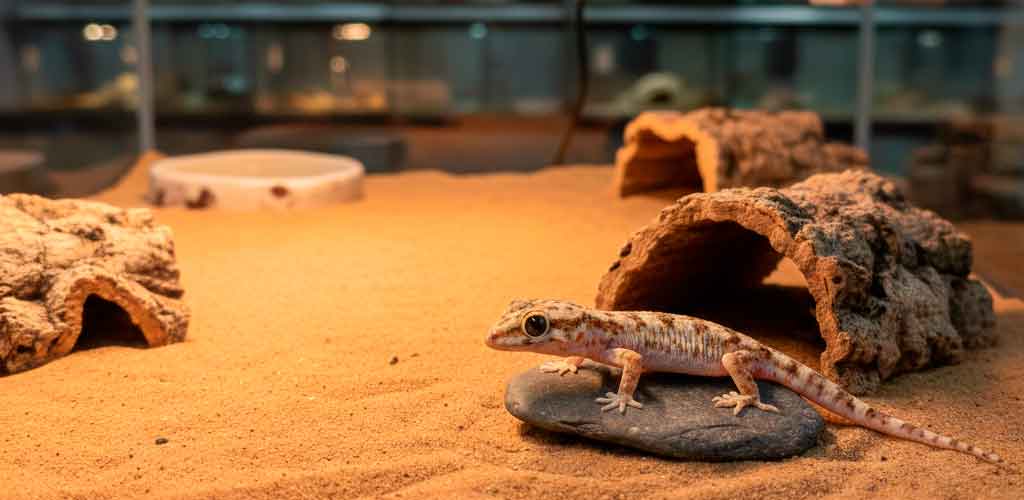
If you are looking for a “bulletproof” entry into the world of micro-reptiles, the Stenodactylus (often called the Dune Gecko) is an outstanding choice. Unlike most lizards, these desert-dwellers are highly social. In my years of keeping reptiles, I’ve found that while most lizards are strictly solitary, Stenodactylus actually thrive in small groups.
You can comfortably house a small colony in a 20-gallon enclosure. Their setup is delightfully simple: a substrate of common play sand, some cork bark for hiding, and a consistent heat source. They are remarkably hardy, making them the perfect “starter” micro-lizard for those who want a low-maintenance but active desert display.
The Electric Blue and The Mourning Gecko
For those who prefer a tropical, vertical setup, the Mourning Gecko is a marvel of nature. These lizards are parthenogenic, meaning the population consists entirely of females that “clone” themselves to reproduce.
If you want a splash of color, the William’s Electric Blue Gecko (Lygodactylus williamsi) is the crown jewel of the micro world. Their striking neon blue scales are breathtaking, though they require more specialized care regarding UVB lighting and humidity compared to their desert cousins.
Small Lizards: The “Gold Standard” of Pet Reptiles
The small category includes lizards between 6 and 12 inches. This is where most hobbyists find their “forever” pets because these species offer a perfect balance of handleability and manageable space requirements.
The Leopard Gecko: The King of Beginners
The Leopard Gecko is arguably the most popular pet lizard in the world, and for good reason. They are strictly insectivorous, possess a docile “smiling” expression, and don’t require expensive UVB setups (though low-level UVB is highly recommended for health).
I remember when I first started with Leo’s; their ability to tolerate handling is what makes them so special. They are ground-dwellers, meaning they don’t have sticky toe pads, so they won’t go running up your walls during tank cleanings. A 40-gallon “breeder” tank is the modern gold standard for a single adult Leopard Gecko.
African Fat-Tailed and Chinese Cave Geckos
If you like the look of a Leopard Gecko but want something a bit more unique, the African Fat-Tailed Gecko is an excellent alternative. They look similar but require higher humidity.
For the intermediate keeper, the Chinese Cave Gecko offers a stunning “gothic” aesthetic with dark scales and piercing red eyes. They prefer cooler temperatures and high humidity, making them perfect for owners living in naturally damp or cooler climates.
Medium Lizards: Personality Meets Presence
When you move into the medium category (18 to 24 inches), you are looking at animals that require a significant commitment in terms of space and diet.
The Bearded Dragon: The “Dog” of the Reptile World
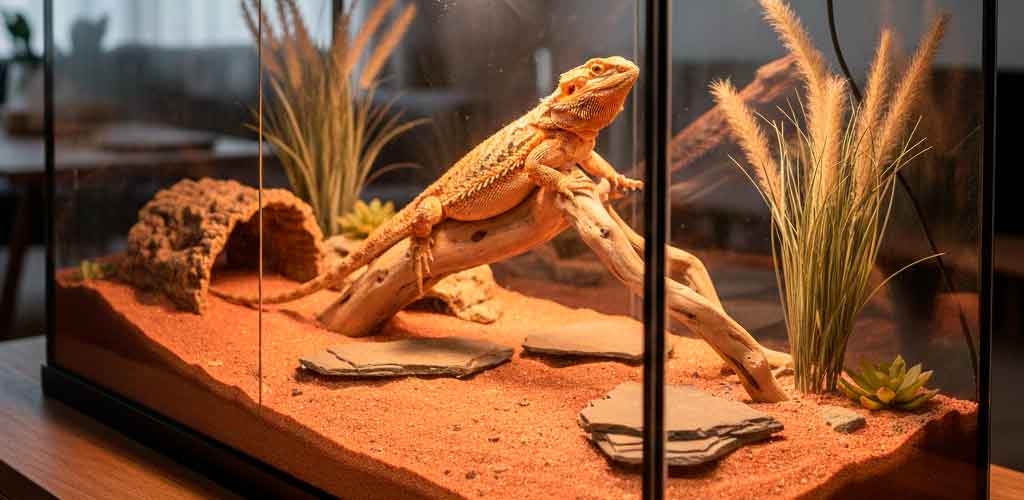
The Bearded Dragon remains the most sought-after medium lizard. They are incredibly social with humans and often seem to enjoy “hanging out” on their owner’s shoulder.
Pro Tip: Don’t let the low price tag of a baby dragon fool you. While you can buy a “normal” dragon for under $50, the setup cost is high. An adult needs a 120-gallon enclosure (4ft x 2ft x 2ft) at minimum. They are omnivores, requiring a daily salad of collard greens and squash, supplemented with live insects.
The Blue Tongue Skink: The Low-Climbing Alternative
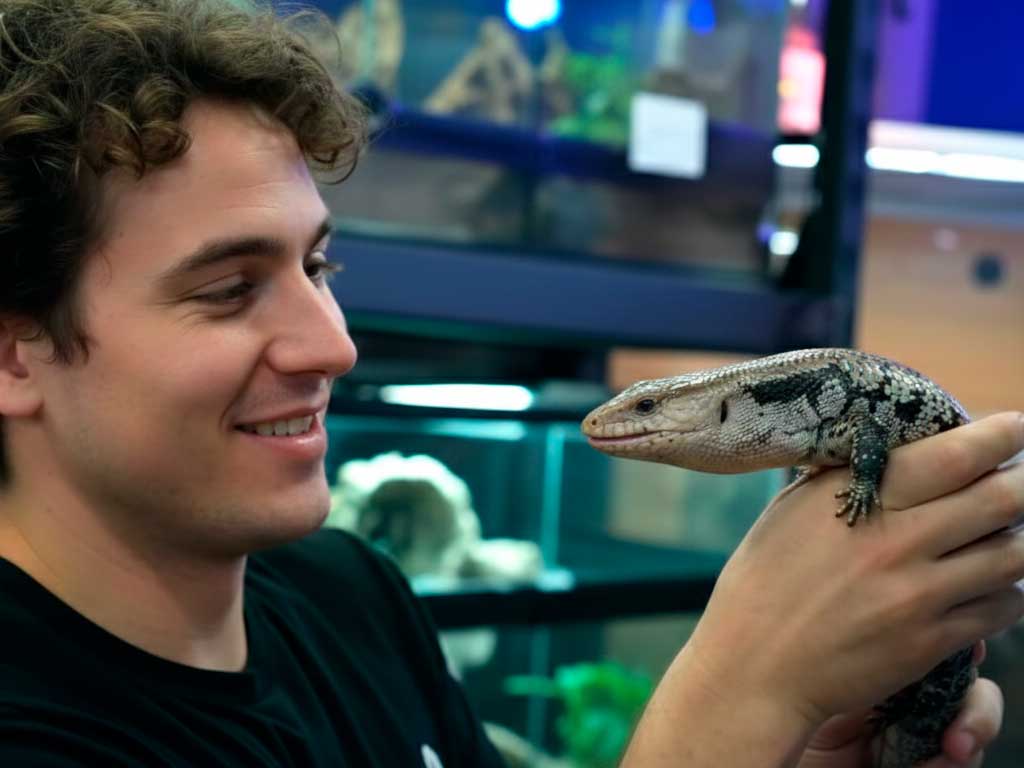
If you want the intelligence of a dragon but want a lizard that stays on the ground, look at the Northern Blue Tongue Skink. My skink, Steve, is much more interested in exploring the floor than climbing branches.
Their diet is fascinatingly simple; they can eat high-quality grain-free wet dog food mixed with greens, making them one of the easiest “buffet-style” eaters in the hobby. If you live in a humid area, the Indonesian varieties are better suited for you, whereas the Northern variety prefers a drier environment.
Large Lizards: Intelligence and Space
Entering the “large” category (3 to 5 feet) is a major jump. This is where lizard keeping transitions from a hobby into a serious lifestyle commitment.
The Argentine Black and White Tegu
Commonly referred to as the “puppy” of the lizard world, the Argentine Black and White Tegu is famous for its high intelligence. They can be house-broken (to an extent) and recognize their owners.
However, owning a Tegu like mine, Mushu, taught me that they have “moods.” During puberty, they can go through a “Guber-ty” phase where they become defensive. They require a massive 8-foot enclosure. If you cannot provide a small room or a massive custom-built cage, a Tegu is not the right pet for you.
Rhino Iguanas and Sailfin Dragons
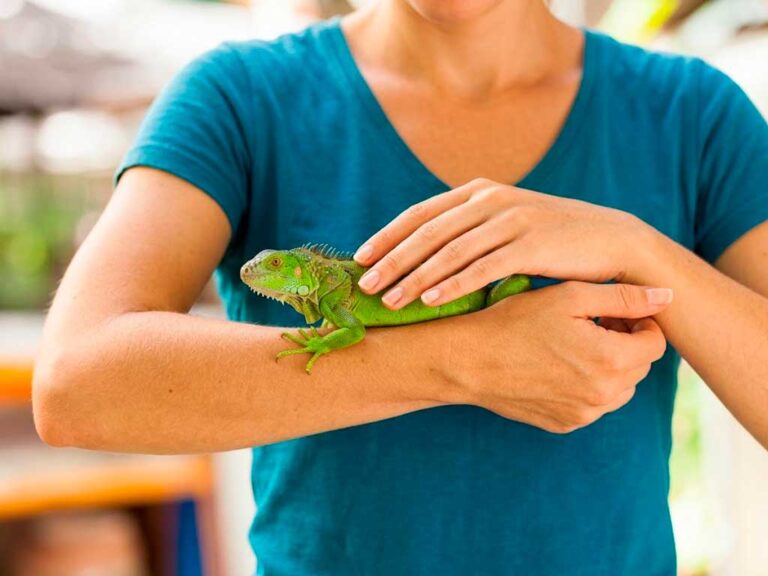
For those who prefer herbivores, the Rhino Iguana is a prehistoric-looking marvel. They are essentially giant, scaly cows that eat primarily vegetation. They are often more predictable than Tegus but just as large. If you want something more exotic, the Sailfin Dragon offers an incredible aquatic-look, but they are flighty and require a massive water feature in their enclosure.
Gigantic Lizards: The Lifestyle Choice
At the top of the pyramid sits the Asian Water Monitor. These animals can reach 6 to 7 feet and are incredibly powerful.
Owning a Water Monitor is not like owning a pet; it’s like living with a roommate that can break your arm with its tail. They are remarkably smart and can be very “tame,” but they require a dedicated room with high humidity and a filtered swimming pool. This is a species reserved for the most dedicated experts who are willing to build their lives around their pet.
Conclusion: Matching Your Reality to Your Reptile
Choosing the best pet lizard by size is about honesty. If you live in a studio apartment, a colony of Stenodactylus will bring you more joy than a cramped, stressed-out Bearded Dragon. If you have a spare bedroom and a love for intelligence, the Tegu might be your soulmate.
No matter the size, every lizard deserves a habitat that mimics nature and a keeper who respects their biology. Start small, learn the ropes, and let your passion for these ancient creatures grow alongside your experience.
Frequently Asked Questions (FAQs)
Which lizard is truly the best for a first-time owner?
The Leopard Gecko is widely considered the best beginner lizard. They have simple dietary needs (insects only), a docile temperament, and their housing requirements are manageable for most households.
Can I keep two lizards together in the same tank?
Generally, no. Most lizards are solitary and territorial. Cohabitation often leads to stress, injury, or death. The rare exception is the Stenodactylus (Dune Gecko) and some micro-species like Mourning Geckos, but even then, careful monitoring is required.
Do all pet lizards need a special light bulb?
Almost all lizards benefit from UVB lighting, which helps them process calcium and prevent Metabolic Bone Disease (MBD). While some nocturnal species can survive without it, providing appropriate UVB is a hallmark of expert care and ensures a longer, healthier life.
What is the most “affectionate” lizard?
While reptiles don’t feel “love” like dogs do, the Bearded Dragon and the Argentine Black and White Tegu are the most social. They can become very comfortable with human touch and will often seek out their owner’s warmth or presence.
How much space does a large lizard actually need?
For a large lizard like a Tegu or an Iguana, you should plan for an enclosure that is at least twice the length of the animal. For a 4-foot lizard, that means an 8-foot long enclosure. Height also matters for arboreal species like Green Iguanas.