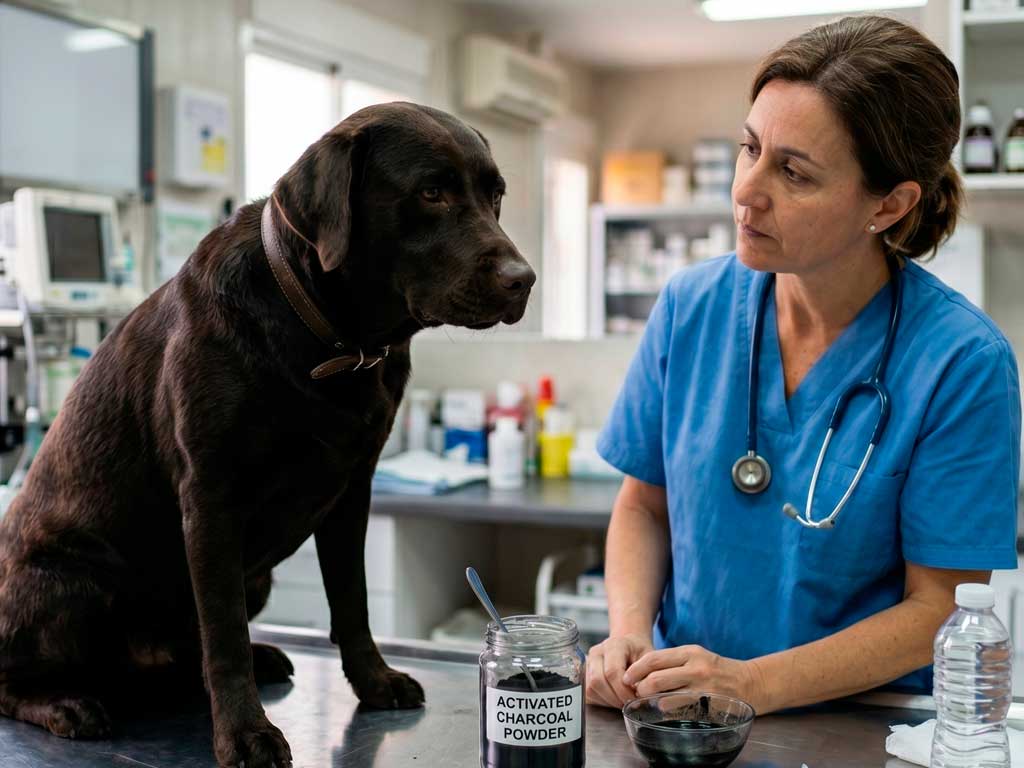
Roundworms in Dogs: Symptoms, Treatment & Prevention

Have you noticed spaghetti-like worms in your dog’s poop or a puppy with a strangely swollen belly? Roundworms in dogs are common intestinal parasites, especially in puppies, and they can cause digestive problems, poor growth, and other complications when infections are heavy.
The good news is that roundworm infections are usually treatable with the right deworming medication and veterinary guidance. The bigger issue is reinfection. Roundworm eggs can persist in contaminated environments, so treating the dog without cleaning up the source can leave you right back where you started.
This guide explains how dogs get roundworms, what they look like in poop, the symptoms to watch for, how veterinarians diagnose and treat them, and what you can do to protect your dog and your family.
Quick answer: Roundworms in dogs are intestinal infections caused mainly by Toxocara canis and Toxascaris leonina. Puppies can become infected before birth or while nursing, while older dogs can swallow eggs from contaminated soil, feces, objects, or infected prey. Treatment usually involves an appropriate dewormer, often with repeat treatment because some medications target adult worms rather than every stage of the parasite.
Veterinary health note: This article is for general education and does not replace an examination, fecal test, or treatment plan from your veterinarian. Puppies, pregnant dogs, dogs with severe symptoms, and dogs with underlying health problems may need individualized care.
What Are Roundworms in Dogs?
Roundworms are intestinal parasites that live primarily in a dog’s small intestine. Adult worms are long, pale, and tubular, which is why owners often compare them to pieces of spaghetti.
Two roundworm species commonly affect dogs: Toxocara canis and Toxascaris leonina. Toxocara canis is especially important in puppies because it can be transmitted from a mother to her puppies before birth or through nursing.
A dog does not have to look sick to have roundworms.
Some infected dogs have few or no obvious signs. Puppies are much more likely to develop noticeable problems because a heavy parasite burden can interfere with nutrition and normal growth.
How Do Dogs Get Roundworms?
Dogs can pick up roundworms in several ways, and puppies have an additional route that adult dogs don’t have to worry about.
From contaminated soil and feces
Infected dogs pass roundworm eggs in their stool. Those eggs can remain in the environment and eventually become infectious. A dog can swallow them while sniffing or licking contaminated soil, grass, objects, or fur.
This is one reason simply keeping your yard looking clean isn’t enough. Roundworm eggs can be present in soil even after the original feces are gone.
From infected prey
Dogs that hunt or eat rodents and other small animals can become infected by consuming tissue containing roundworm larvae.
That makes outdoor dogs, farm dogs, and determined little hunters more difficult to protect through hygiene alone.
From mother to puppy
This is one of the biggest reasons puppies are so commonly affected.
Toxocara canis larvae can remain dormant in a female dog’s tissues and become active during pregnancy. They can cross the placenta and infect unborn puppies. Puppies can also acquire larvae through their mother’s milk after birth.
So yes, a puppy can have roundworms even if it has barely spent any time outside.
What Do Roundworms Look Like in Dog Poop?
Seeing a worm in your dog’s stool can be alarming, but the appearance can provide a useful clue.
Adult roundworms are typically long, pale-colored worms with a spaghetti-like appearance. Owners may notice them in fresh stool or, less commonly, in vomit.
Roundworm eggs are different. You generally cannot see them with the naked eye because they are microscopic.
That distinction matters. If you see something unusual in your dog’s poop, don’t assume every visible worm is a roundworm. Hookworms, tapeworms, and other parasites look different and require different treatment.
If possible, take a clear photo and bring a fresh stool sample to your veterinarian.
Roundworm Symptoms in Dogs
The signs of roundworms can range from barely noticeable to serious, depending on the dog’s age, parasite burden, and overall health.
Common symptoms include:
- Diarrhea
- Vomiting
- A pot-bellied appearance
- Poor coat quality
- Weight loss
- Poor growth or stunted growth
- Abdominal discomfort
- Coughing during larval migration
- Visible worms in stool or vomit
Cornell notes that some dogs have no symptoms at all, while puppies are more likely to develop clinical signs.
A puppy with a rounded belly isn’t automatically infected with roundworms. Diet, body condition, and other health problems can produce similar appearances.
But when a pot-bellied puppy also has diarrhea, vomiting, poor growth, or visible worms, a fecal examination is a sensible next step.
Can roundworms make a puppy seriously sick?
They can.
A heavy roundworm burden can deprive a growing puppy of nutrients and interfere with normal development. In severe cases, large numbers of worms can contribute to an intestinal blockage, which can be life-threatening.
Very young or debilitated puppies deserve particular attention because they have less room for a significant parasite burden before their health starts to suffer.
How Are Roundworms in Dogs Diagnosed?
Veterinarians usually diagnose roundworms by examining a stool sample.
A fecal flotation test allows the veterinarian to look for characteristic roundworm eggs under a microscope. Fecal antigen testing may also help identify infections when relatively few eggs are present.
Seeing an adult worm can also provide a strong clue, but it doesn’t replace veterinary testing.
And one negative test doesn’t always answer every parasite question. Your veterinarian may recommend additional testing depending on your dog’s symptoms, age, preventive history, and exposure risk.
If your dog has persistent diarrhea or vomiting, unexplained weight loss, or poor growth, don’t rely on visible worms as the deciding factor.
Roundworm Treatment for Dogs
Roundworm treatment usually involves a veterinary-approved deworming medication.
Common medications used against canine roundworms include pyrantel and fenbendazole, while some monthly heartworm preventives also contain ingredients that control roundworms. The exact product and schedule depend on your dog’s age, weight, health status, and which parasites are suspected or confirmed.
One treatment may not be enough.
Some dewormers primarily eliminate adult worms, while developing or migrating stages may require additional treatment. Cornell notes that repeating treatment after about two weeks is often necessary for complete resolution.
That’s why grabbing a random dewormer and stopping after one dose can create a false sense of security.
What about puppies?
Puppies commonly need routine deworming beginning at around two weeks of age. Cornell recommends repeating treatment every two weeks until approximately eight weeks of age, followed by continued monthly prevention. Your veterinarian may adjust the schedule based on the puppy’s circumstances and the product being used.
If you have a young puppy, ask your veterinarian which medication is appropriate before giving a product on your own.
Puppies are small, their weights change quickly, and dosing errors matter.
Can Roundworms Come Back After Treatment?
Yes.
This is one of the most frustrating parts for owners. Your dog can be successfully treated and still encounter infectious eggs later.
Roundworm eggs are resilient and can remain in the environment for long periods. Cornell and VCA both emphasize prompt feces removal and ongoing prevention because reducing environmental contamination is an important part of breaking the cycle.
After treatment, stay consistent with the prevention plan your veterinarian recommends.
And clean up dog poop promptly. Every pile left on the ground gives parasite eggs another opportunity to enter the environment.
How to Prevent Roundworms in Dogs
You don’t need to create a sterile backyard. You do need a routine.
Pick up dog poop quickly
This is one of the simplest things you can do.
Remove feces from your yard as soon as practical and dispose of it properly. Regular cleanup reduces the number of eggs that can contaminate the environment.
Keep puppies on a veterinary-recommended deworming schedule
Puppies need more frequent parasite control than most adult dogs.
Don’t wait until you see a worm. Routine puppy deworming is recommended because infection can occur before the puppy ever comes home.
Use appropriate parasite prevention
Some monthly parasite preventives also control roundworms.
Your veterinarian can help you choose a product that matches your dog’s age, weight, lifestyle, and overall parasite risk. Don’t assume every heartworm or flea product treats the same parasites.
Discourage hunting and scavenging
A dog that regularly eats rodents or other wildlife has additional exposure opportunities.
This can be especially challenging with dogs that love to hunt. Training a reliable “leave it” cue can help, but management matters too.
Wash your hands
Good hand hygiene is important after handling dog feces, cleaning contaminated areas, or spending time in places where dogs defecate.
This is especially important when young children are around.
Can Humans Get Roundworms From Dogs?
Yes.
Canine roundworms are zoonotic, which means they can infect people. Human infection generally occurs when a person accidentally ingests infectious eggs from contaminated soil, objects, or environments. Children are at higher risk because they are more likely to put contaminated hands or objects in their mouths.
In people, the larvae do not normally mature into adult intestinal worms the way they do in dogs. Instead, larvae can migrate through tissues. In some cases, this can cause more serious problems involving organs, the nervous system, or the eyes.
That sounds frightening, but the practical response is straightforward: keep dog feces picked up, wash hands, maintain parasite prevention, and teach children not to put soil or dirty objects in their mouths.
Frequently Asked Questions
Your Next Step If You Think Your Dog Has Roundworms
If you’ve actually seen a worm, take a photo and, when possible, bring a fresh stool sample to your veterinarian.
For a puppy, don’t wait for symptoms before discussing a deworming schedule. Young dogs are particularly vulnerable to the effects of heavy roundworm infections, and routine prevention is much easier than dealing with repeated environmental contamination later.
And if your dog is already on parasite prevention, check the label or ask your veterinarian exactly which intestinal worms it covers. “Worm prevention” isn’t one universal category.
Give it time, stay consistent with the schedule, and keep the yard clean. Those simple habits go a long way toward keeping roundworms out of your dog’s next fecal test.
Sources
- VCA Animal Hospitals — Roundworm Infection in Dogs
- NexGard for Pets — Understanding Roundworms in Dogs