Siberian Husky Dog Breed: Energy, Intelligence & Independent Spirit Guide
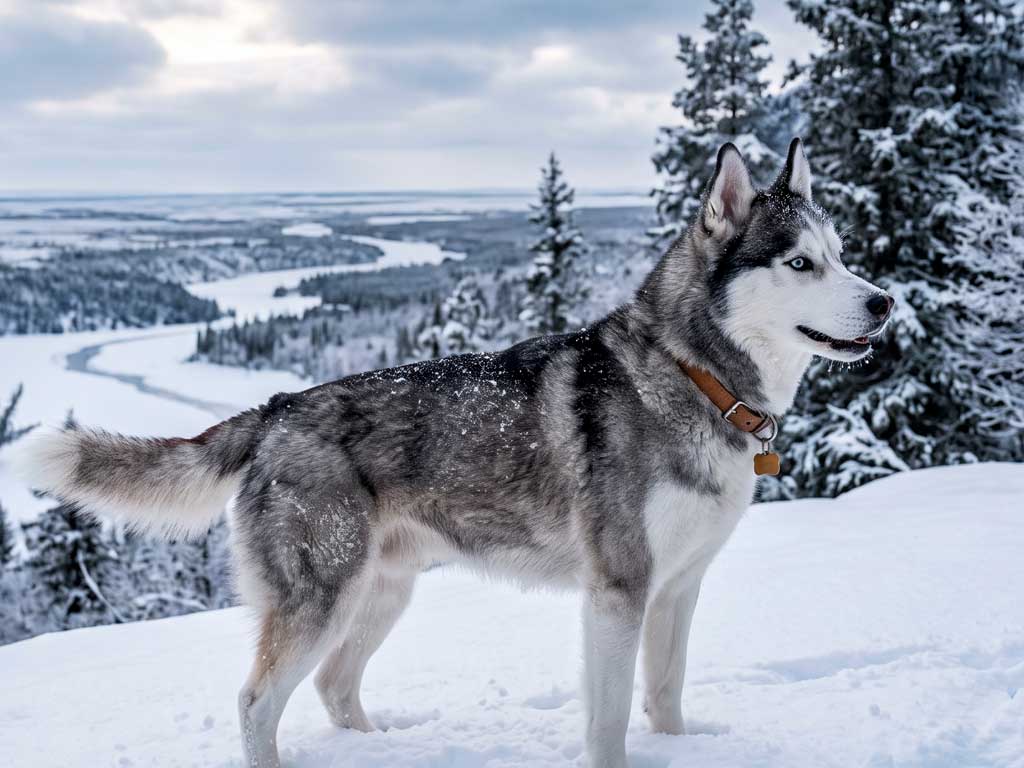
The Siberian Husky is packed with energy and driven by intelligence. These dogs are always ready for the next adventure, thriving when they have opportunities to run and play. If you’re considering a Husky, understanding their unique needs is absolutely critical before committing.
In this guide, I’ll cover the Siberian Husky dog breed comprehensively: their fascinating Arctic origins, distinctive physical traits, strong-willed personality, and honestly whether they fit most households.
History and Origin of the Siberian Husky
The Siberian Husky dog breed originated in Russia, specifically in Siberia, over 3,000 years ago. These sled dogs were absolutely essential to the survival of indigenous Siberian people.
Breeders selectively bred these dogs for specific purposes. They needed dogs that could transport light loads at high speeds over extremely long distances. Equally important, they needed non-aggressive dogs that behaved well with children because families lived alongside them.
The breed remained relatively unknown outside Siberia until the late 19th century. News of these “superdog” sled pullers eventually reached America. In 1909, a team of Siberian Huskies competed in an Alaska sled race against the larger Alaskan Malamutes, who had dominated previously. The Huskies won decisively with their superior speed and endurance.
During World War II, the U.S. military employed Huskies as search and rescue dogs in the Arctic. After the war, their popularity exploded in Europe and beyond. People with space and the ability to provide extensive physical activity became devoted Husky owners.
Physical Characteristics of the Siberian Husky
The Siberian Husky is a medium-sized dog whose proportions suggest perfect balance between power, speed, and endurance. Males typically stand 21 to 24 inches tall and weigh 45 to 60 pounds. Females are slightly smaller, standing 20 to 22 inches tall and weighing 35 to 50 pounds.
The breed’s double coat is medium length and weather-resistant. They have erect ears and a distinctive plumed tail. The color palette is remarkably diverse: black and white, gray and white, red and white, solid white, black and tan, and various other combinations.
Siberian Huskies often have striking light-colored eyes, sometimes even blue. Their expression is intelligent and alert, reflecting their working heritage.
Temperament and Personality
At their core, Siberian Huskies are true working dogs. However, they’re also incredibly sociable, sweet, and alert. They’re friendly with everyone, making them poor guard dogs despite their impressive appearance.
The Husky has an independent streak. They don’t see the necessity for obedience training. They were bred to make decisions independently while pulling sleds, and that trait persists today. They won’t be champions in obedience competitions.
Most of the time Huskies are quiet. They don’t bark excessively. However, they love to howl, and that howl can travel up to 10 miles. This is behavior they genuinely enjoy, even if neighbors don’t.
These dogs are active and agile, making them somewhat complicated as household companions. Without adequate outlets for their energy and work drive, they become destructive and frustrated.
They’re pack animals who actually do better with other dogs than alone. This hereditary characteristic influences their social needs significantly.
Care Guide for Siberian Husky
Diet and Nutrition
Your Siberian Husky’s diet must contain appropriate proportions of all major nutrient groups. Provide fresh water constantly and monitor their physical condition regularly.
Feed them twice daily following the portion guidelines on their food packaging. Adjust portions based on activity level, as Huskies with excessive exercise need more calories than sedentary dogs.
Proper nutrition supports their athletic requirements and can extend lifespan to 15 years. Avoid overfeeding, as obesity creates joint and cardiovascular problems.
Exercise Requirements
The Siberian Husky dog breed absolutely needs more than two hours of daily exercise. These aren’t dogs satisfied with casual neighborhood walks.
Ideally, they need unrestricted running opportunities in secure areas. Many thrive with activities like mushing, canicross, or bikejoring where they can channel their pulling drive productively.
Without adequate exercise, Huskies become destructive, destructive diggers, chewers, and escape artists. They need both physical activity and mental stimulation to remain balanced household members.
Grooming Needs
The Husky’s grooming is relatively straightforward. Brush their coat two to three times weekly. During shedding season, which lasts most of the year in warm homes, daily brushing becomes necessary.
They’re remarkably clean dogs with minimal or no dog odor. Regular nail trimming, ear cleaning, and dental care remain important.
Training and Education
Training a Siberian Husky dog breed is genuinely challenging. Early socialization is non-negotiable. Expose puppies to various people, environments, and experiences. This prevents excessive caution or aggression.
Teach leash walking from puppyhood. Huskies were bred to pull, and teaching them not to do this requires consistent, patient training. However, it’s achievable.
Recall training is critical. Huskies have tremendous prey drive and will chase small animals. A reliable “come” command can prevent dangerous situations. That said, don’t completely trust recall even with training. These dogs have strong hunting instincts.
Health and Longevity
Siberian Huskies can suffer hip dysplasia, a joint condition affecting mobility. Responsible breeders screen for this before breeding.
They’re also predisposed to certain eye conditions including glaucoma and hereditary cataracts. Regular eye screening helps identify problems early.
Their lifespan typically ranges from 12 to 15 years. Maintain regular veterinary care, appropriate nutrition, and consistent exercise for longevity.
Is the Siberian Husky Right for You?
The Siberian Husky suits experienced dog owners with significant space and time commitment. These aren’t casual family pets.
They’re ideal for active people who enjoy outdoor activities and have rural properties. Urban apartment living typically leads to behavioral problems and unhappy dogs.
Huskies thrive best in homes with multiple dogs. They’re pack animals and suffer from isolation. Owners working outside the home should reconsider this breed.
They’re also not ideal for families with small children or those intolerant of shedding and howling.
If you can provide extensive exercise, secure fencing, multiple dogs, and rural living, the Siberian Husky becomes an incredibly rewarding companion.
Frequently Asked Questions About Siberian Husky
Are Siberian Huskies aggressive? Siberian Huskies aren’t considered aggressive dogs by nature. However, they can bite if threatened or if someone invades their territory. Proper training prevents this from occurring.
Do Siberian Huskies have wolf ancestry? Despite the popular legend, Siberian Huskies have no wolf ancestry. Their appearance and origins fuel this myth, but they’re entirely dog.
How difficult is it to train a Siberian Husky? Training a Husky is notably challenging. They’re stubborn, curious, and have short attention spans. However, they’re not impossible to train with time and consistent work.
Can you housetrain a Siberian Husky? Yes, with consistent routines and effective motivation. Huskies respond when they perceive the action as rewarding.
Do Siberian Huskies get along with cats? Huskies have significant prey drive and will chase cats. With very early socialization, some coexist peacefully, but this isn’t guaranteed.
The Siberian Husky dog breed represents authentic Arctic working heritage. These are intelligent, loyal, energetic dogs designed for serious work in extreme conditions.
They’re specialists, not generalists. They need to run, and most families will find their maintenance demands excessive.
A well-managed Husky becomes a devoted companion, stunning athlete, and loyal friend. They thrive when given clear leadership, consistent training, and meaningful outlets for their working drive.
Before committing, honestly assess your situation. Have you owned large, independent-minded dogs before? Can you commit to more than two hours of daily exercise? Do you have rural property with secure fencing? Are you prepared for constant shedding and howling?
If you answer yes to these questions and understand the responsibility involved, the Siberian Husky dog breed can be one of the most rewarding experiences possible.