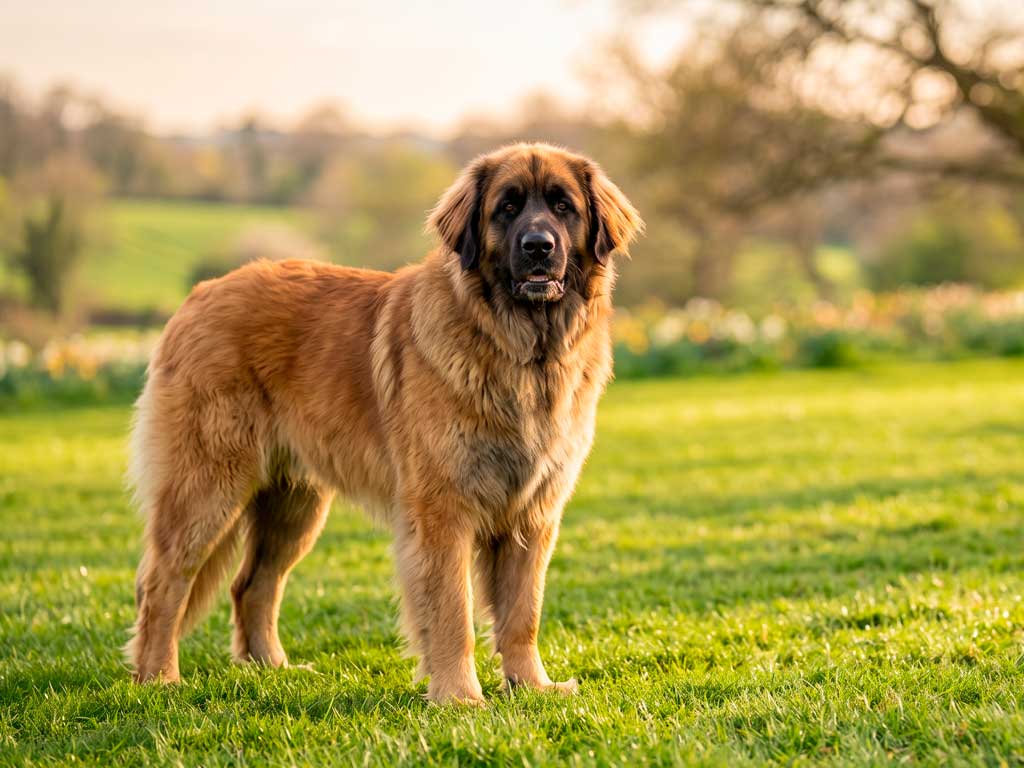
Hamilton Stovare Dog Breed: The Swedish Hunting Hound Complete Guide
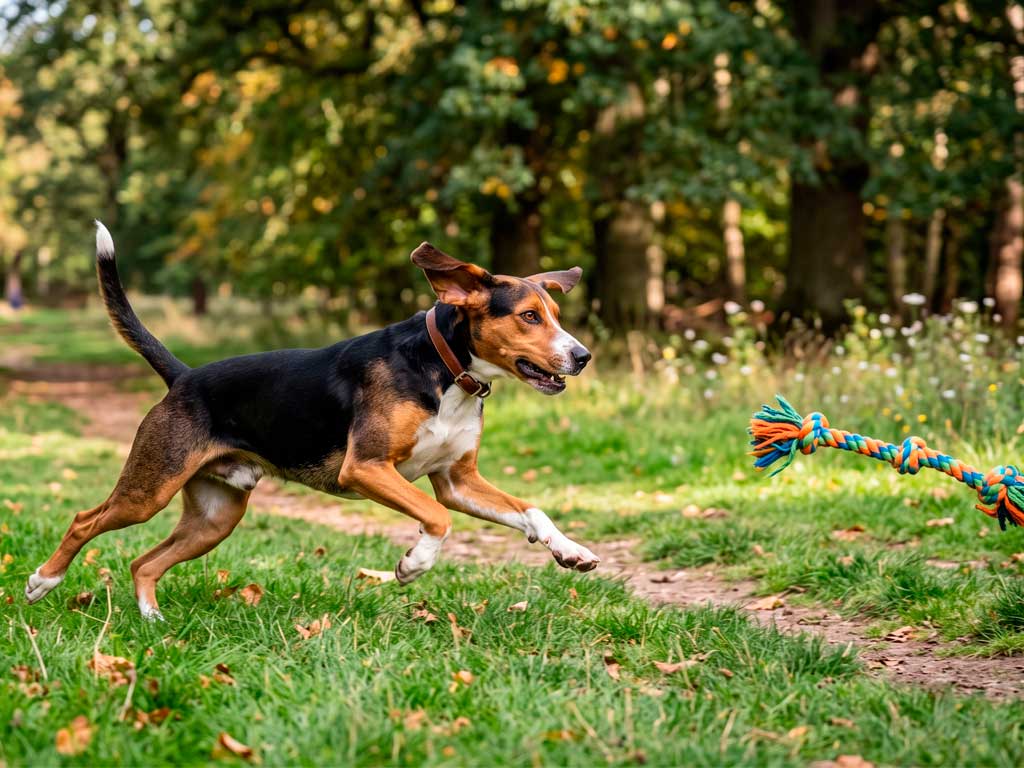
If you’re considering a medium-to-large dog with genuine hunting heritage and endless energy, the Hamilton Stovare dog breed deserves your attention. This Swedish scent hound is a treasure outside its native country, but incredibly popular in Scandinavia.
In this guide, I’ll walk you through everything about the Hamilton Stovare: their origins, distinctive characteristics, temperament, training needs, and whether they’re the right fit for your home.
History and Origin of the Hamilton Stovare
The Hamilton Stovare dog breed is one of Sweden’s most popular native dogs. This breed was developed in the late 19th century by Count Adolf Hamilton, one of the founders of the Swedish Kennel Club. The breed literally takes its name from him.
The count created this scent hound by blending English Foxhounds, Harriers, and several German hunting dogs including the Holsteiner and the Red Curland Hound. The goal was a versatile hunting companion for Swedish terrain and prey.
Unlike pack hunting hounds, the Hamilton Stovare hunts individually or in pairs. These dogs weren’t designed to drive game toward other hunters but to scent out foxes and hares and flush them toward the gun.
Despite their Swedish heritage, German and English bloodlines run deep through this breed. Historically, owning hunting dogs in England and Germany was reserved for nobility and royalty. Ordinary people could face serious fines for owning such dogs, as hunting rights belonged exclusively to the upper classes.
Physical Characteristics of the Hamilton Stovare
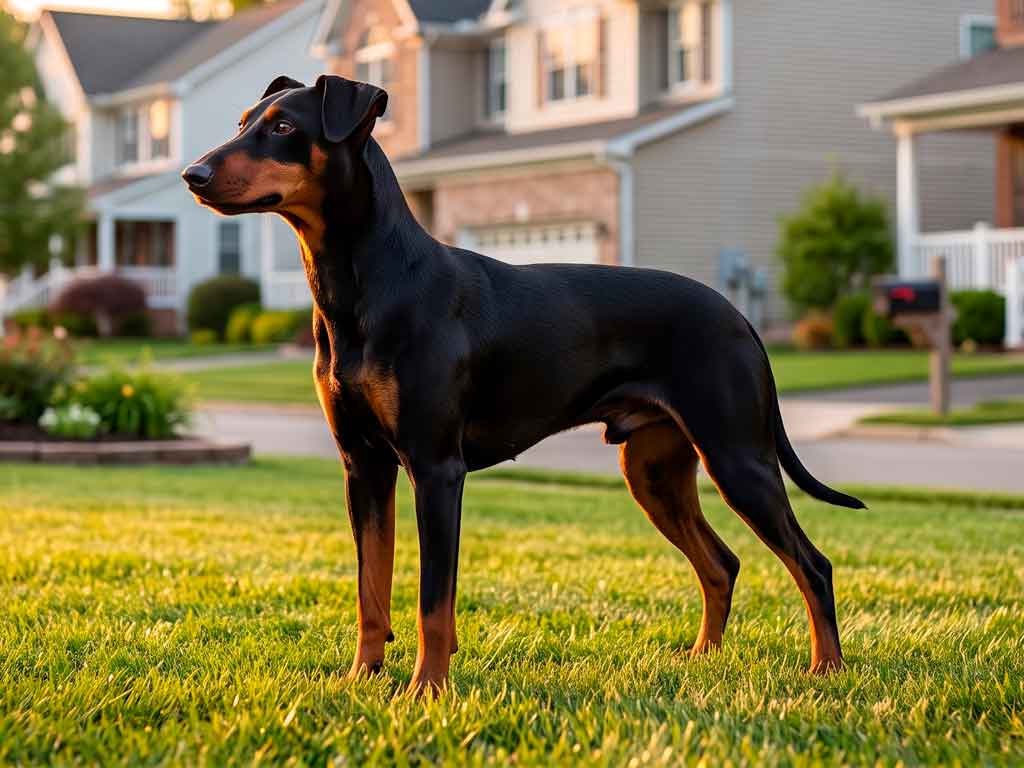
The Hamilton Stovare is a medium-to-large dog with an intelligent, athletic appearance. Males typically stand 21 to 24 inches tall, while females range from 19 to 22 inches. They weigh between 50 and 60 pounds, creating a balanced, muscular frame.
The breed’s striking coat is tricolor: black, tan, and white. It’s short, dense, and tightly fitted to the body. The double coat features a soft undercoat that becomes especially thick in winter, and an outer coat that’s naturally weather-resistant.
The Hamilton Stovare has noble, expressive features. Dark eyes convey intelligence and purpose. Medium-sized ears hang close to the head. Their tails are moderately long and carried with energy. Overall, they project both strength and elegance.
Temperament and Personality
The Hamilton Stovare dog breed has a good temperament and makes an affectionate, loyal companion. They genuinely love their families and thrive on human interaction.
These dogs are field enthusiasts through and through. If their hunting instincts are satisfied and they receive proper exercise, they become calm, well-mannered household members. Without adequate outlets, they become destructive and problematic.
The Hamilton Stovare is vocal. They bark expressively and will alert you to anything unusual. However, they’re not guard dogs in the traditional sense. They’re too friendly and outgoing for protective work.
Training for living with other pets is necessary. Their prey drive, while manageable, needs to be channeled appropriately. With proper socialization, they coexist peacefully with other dogs and cats.
One important note: these dogs can be too boisterous for homes with very young children. Their energy level and size mean they might knock over small kids accidentally during play.
Care Guide for Hamilton Stovare
Diet and Nutrition
The Hamilton Stovare is an active, muscular dog requiring high-quality nutrition. Your dog’s diet must contain appropriate proportions of all major nutrient groups.
Feed your Hamilton Stovare twice daily following the portion guidelines on their specific food packaging. Fresh water should always be available. Adjust portions based on activity level and body condition.
Monitor their weight carefully. Active hunting dogs can appear lean while maintaining perfect health. Regular vet check-ups help establish the ideal weight range for your individual dog.
Exercise Requirements
This is where the Hamilton Stovare dog breed’s needs become clear. They’re not satisfied with casual neighborhood walks twice daily. These energetic hounds require at least two hours of exercise daily, preferably with unrestricted running and scenting opportunities.
If bored or under-exercised, they become destructive. You’ll find them digging, chewing, and barking for entertainment. They need space to work off their hunting drive.
Ideal homes have secure yards where they can run freely. Alternatively, access to open land where they can scent and roam serves their needs perfectly. Sedentary owners should seriously reconsider this breed.
Grooming Needs
The Hamilton Stovare dog breed has simple grooming requirements. Their double coat sheds minimally and needs only weekly brushing.
Brush them once weekly to remove loose hair and maintain coat health. During seasonal shedding, increase brushing frequency if needed. Their short coat doesn’t mat or tangle like longer-haired breeds.
Regular nail trimming, ear cleaning, and dental care remain important. Check their ears weekly for moisture or infection, especially after hunting or swimming. Brush their teeth several times weekly to prevent dental disease.
Training and Education
The Hamilton Stovare is intelligent and responsive to training, though they have an independent mind. These hunting dogs think for themselves, which was essential for their original purpose.
Early socialization matters significantly. Expose puppies to different environments, people, and other animals. This prevents the development of territorial or aggressive behaviors.
Basic obedience training is necessary. Recall training is absolutely critical since these scent followers will chase promising smells. A reliable “come” command can prevent dangerous situations.
These dogs are vocal by nature. They bark to communicate and alert. Accept this as breed standard behavior rather than trying to suppress it completely. Channel their expressiveness rather than eliminate it.
Health and Longevity
The Hamilton Stovare dog breed is notably healthy and robust overall. No specific genetic problems are widely recognized in the breed.
Their lifespan typically ranges from 14 to 17 years, which is excellent for a dog of their size. They’re built sturdy, with few structural issues affecting the breed.
Maintain regular veterinary care, appropriate nutrition, and consistent exercise. These fundamentals support long-term health. Watch for hip dysplasia, which can affect large dogs, though it’s not common in this breed.
Is the Hamilton Stovare Right for You?
The Hamilton Stovare suits active families who love the outdoors and have time for serious exercise. They’re perfect for hunters or owners who appreciate the breed’s heritage.
They’re also excellent for people with land and access to open spaces. Owners who enjoy hiking, trail running, or country living find this breed incredibly rewarding.
However, the Hamilton Stovare isn’t right for apartment dwellers or sedentary owners. They need too much space and activity. Similarly, owners intolerant of barking shouldn’t choose this breed.
They’re also not ideal for homes with very young children due to their boisterous nature. Older children who understand dog behavior work better with this energetic, independent breed.
If you want a loyal, intelligent, athletic companion that thrives on purposeful activity, the Hamilton Stovare is genuinely special.
Frequently Asked Questions About Hamilton Stovare
Are Hamilton Stovares good family dogs? Hamilton Stovares make excellent family companions for active households with older children. Their boisterous nature and high energy can overwhelm very young kids, so families with children under five should consider carefully.
How much exercise do Hamilton Stovares really need? These dogs need at least two hours of daily exercise, preferably with running and scenting opportunities. Casual walks won’t satisfy their needs.
Can Hamilton Stovares live in apartments? No, this breed isn’t suited for apartment living. They need space to run, access to yards, and extensive exercise. Urban living typically leads to behavioral problems.
Do Hamilton Stovares get along with cats? With proper socialization, yes. Early introduction and training help, but their prey drive remains. Individual temperament varies.
How often should I groom my Hamilton Stovare? Weekly brushing maintains their short coat. They’re relatively low-maintenance regarding grooming compared to longer-haired breeds.
The Hamilton Stovare dog breed represents authentic Swedish hunting heritage. They’re intelligent, loyal, and genuinely capable working dogs that happen to make wonderful companions.
These aren’t couch potatoes. They’re athletes with serious energy and purpose. If you can provide them with the space, exercise, and engaged companionship they require, they become deeply rewarding family members.
The Hamilton Stovare will follow you into the fields, hike mountain trails, and curl up alongside you at home. They’re sensitive to their families while maintaining independent thinking shaped by centuries of hunting instinct.
Before committing to this breed, honestly assess your lifestyle. Can you commit to two hours of daily exercise? Do you have access to open land? Are you prepared for a vocal, energetic personality?
If you answer yes to these questions, the Hamilton Stovare dog breed might be your perfect match.