The Havanese Dog Breed: A Complete Guide to This Adorable Toy Companion
If you’re thinking about bringing a small dog into your life, the Havanese dog breed might be exactly what you’re looking for. These tiny, silky-haired companions have been winning hearts for centuries—from royal palaces to modern living rooms.
In this guide, I’ll cover everything you need to know about the Havanese: where they come from, what makes them tick, and most importantly, whether they’re the right fit for your lifestyle.
History and Origin of the Havanese Dog Breed
The Havanese dog breed belongs to the Bichon family, alongside other small breeds like the Bichon Frise and the Maltese. These bichons originated around the Mediterranean and traveled the world with merchants and traders.
When these tiny dogs reached Cuba, something magical happened. Local breeders developed them into the Havanese we know today. The breed became the lap dog of Cuban aristocracy and eventually won over everyday Cuban families.
The name says it all: Havanese comes from Havana, Cuba’s capital. They’re the only dog breed native to Cuba. For centuries, they remained relatively exclusive to the island, which actually helped preserve the breed’s unique characteristics.
Today, the Havanese dog breed is recognized by major kennel clubs worldwide. However, compared to breeds like Labradors or Poodles, they remain somewhat rare. That exclusivity adds to their charm for devoted fans.
Physical Characteristics of the Havanese
The Havanese is a toy breed, meaning they’re genuinely small. Adult Havanese typically stand between 9 and 11 inches tall and weigh between 7 and 13 pounds. Some individuals can be smaller, and this compact size makes them perfect apartment dwellers.
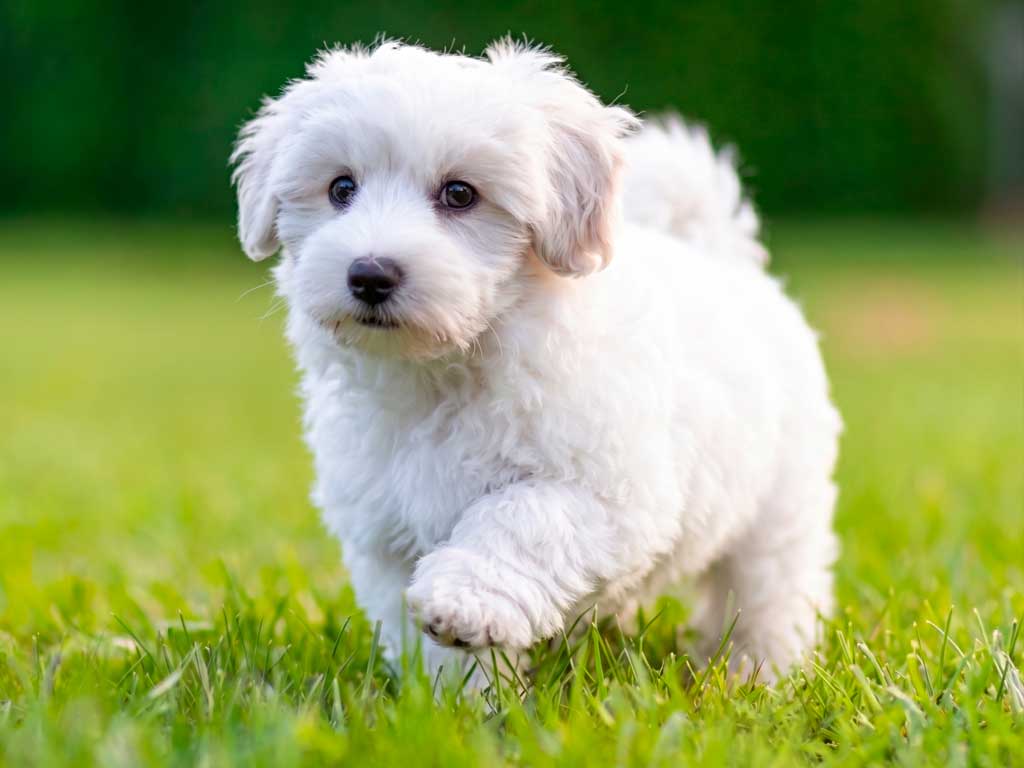
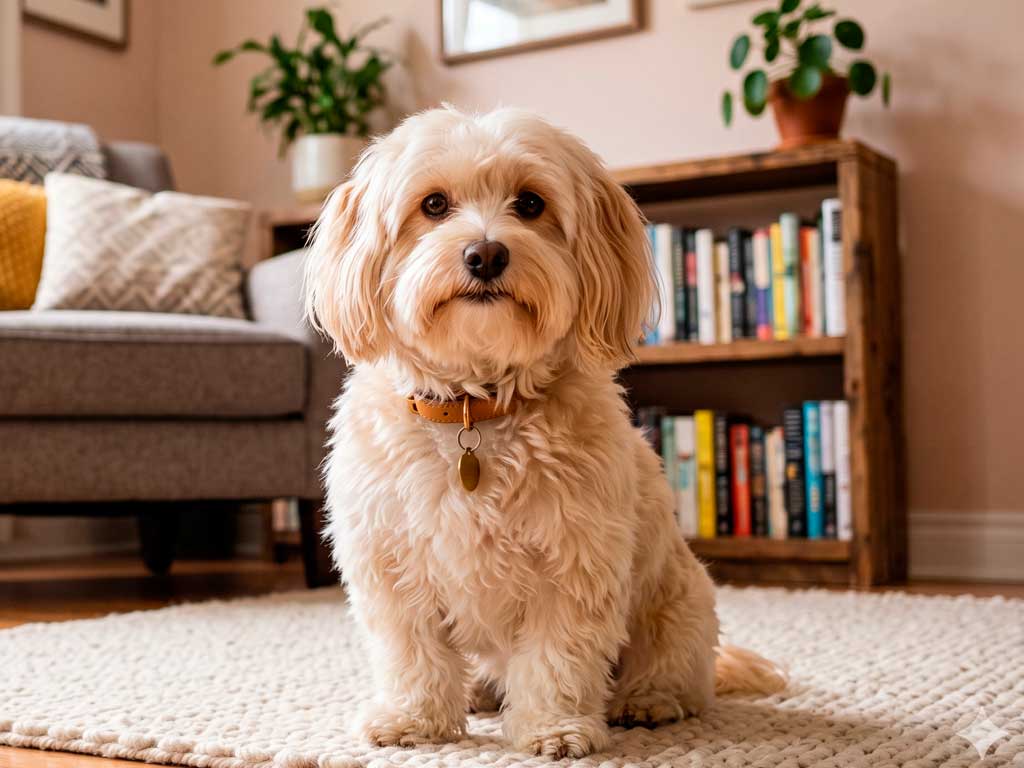
Their silky, soft coat is one of their defining features. The coat is abundant and can be wavy or slightly curly, with a longer undercoat underneath. This gives them that distinctive fluffy appearance that makes them instantly recognizable.
The breed’s color palette is diverse. You’ll find solid-colored Havanese in cream, gold, red, or black. Others sport combinations of colors. The only color not accepted in breed standards is brindle.
Havanese have expressive, dark eyes and floppy ears that hang close to their heads. Their tails are plumed and carried over the back—another signature breed trait. Overall, they have a sturdy build despite their small size, which actually makes them surprisingly resilient little dogs.
Temperament and Personality
What makes the Havanese dog breed truly special is their personality. These dogs are vibrant, outgoing, and genuinely affectionate. They thrive on human companionship and genuinely enjoy being around their people.
Unlike some toy breeds that can be aloof or snappy, Havanese are friendly with everyone. They love children, other pets, and even strangers. They’re the kind of dogs that greet visitors like old friends, tail wagging with genuine enthusiasm.
One important note: Havanese don’t do well when left alone for long periods. They’re people dogs through and through. If you work full-time outside the home, a Havanese might suffer from separation anxiety. They really need companionship and interaction.
That said, these aren’t mindless lap dogs. Havanese are intelligent and actually enjoy learning. They respond well to training and seem to genuinely enjoy the mental stimulation. Many owners find them surprisingly easy to train.
Care Guide for Havanese
Diet and Nutrition
Small dogs like the Havanese have fast metabolisms, which means they burn energy quickly. Despite their tiny stomachs, they need consistent nutrition.
Quality small-breed dog food designed specifically for their size is essential. These formulas typically feature smaller kibble pieces and appropriate nutrient ratios for toy breeds. Feeding should happen twice a day rather than leaving food out constantly.
Avoid feeding them human food, which can lead to obesity and digestive problems. Treat obesity seriously—extra weight puts significant stress on tiny joints and their cardiovascular system.
Exercise Requirements
The Havanese dog breed doesn’t need extensive exercise. These dogs are satisfied with about 30 minutes of activity daily. This can be a walk around the neighborhood, playtime in the yard, or indoor games during bad weather.
The beauty of this breed is their adaptability. They’re happy hiking with active owners or lounging with homebodies. They adjust to their owner’s lifestyle remarkably well.
That said, they’re not completely sedentary. Regular activity keeps them mentally stimulated and physically healthy. Boredom can lead to destructive behavior, so consistent exercise matters.
Grooming Needs
The silky coat of a Havanese dog breed demands daily attention. Without regular brushing, their coat mats and tangles easily.
Brush your Havanese at least once daily to prevent matting. Many owners use a slicker brush or comb. During shedding seasons, you might brush even more frequently.
Beyond coat care, regular nail trimming, ear cleaning, and dental care are important. Check their ears weekly, as their floppy ears can trap moisture and lead to infections. Brush their teeth several times weekly to prevent dental disease.
Professional grooming every 4-6 weeks helps maintain their coat’s condition and health.
Training and Education
The Havanese dog breed is genuinely intelligent and eager to please. This makes them fairly easy to train compared to some other toy breeds.
Start training early, even with puppies. House-training usually happens quickly with consistency and positive reinforcement. They respond beautifully to praise and treats.
Havanese are expressive little dogs, and they do bark. This is worth noting if you live in apartments or close quarters. They’re alert watchdogs despite their size—they’ll bark at strangers and unusual sounds. This is natural breed behavior, not a flaw.
Socialization from puppyhood helps ensure they grow into well-rounded adults. Expose them to different environments, people, and experiences early on.
Health and Longevity
The Havanese dog breed enjoys good health overall. Their lifespan typically ranges from 13 to 15 years, though some live even longer with proper care.
Like many small breeds, they can experience patellar luxation, where the kneecap temporarily slides out of position. This causes lameness but often resolves itself. Severe cases might require surgery.
Eye problems can occur, so regular veterinary eye checks are smart preventive care. Progressive retinal atrophy and cataracts appear occasionally in the breed.
Regular veterinary care, appropriate nutrition, and consistent exercise help ensure a long, healthy life. Keep their weight steady and address health issues early.
Is the Havanese Dog Breed Right for You?
The Havanese is perfect if you want a small, affectionate companion that craves human interaction. They’re ideal for families with older children, seniors seeking a playful buddy, or anyone who works from home.
They’re also excellent for apartment living because of their size and minimal exercise needs.
However, they’re not right if you’re away from home constantly or prefer an independent dog. Their need for companionship isn’t negotiable. Similarly, if you can’t commit to daily grooming, this breed will frustrate you.
The Havanese dog breed is also not ideal if you’re terrified of small dog barking. They’re vocal little dogs that love to announce things.
But if you want a loyal, loving companion with a big personality in a small package, the Havanese is genuinely special.
Frequently Asked Questions About the Havanese
Are Havanese dogs hypoallergenic? The Havanese is often marketed as hypoallergenic, but that’s not entirely accurate. No dog is truly hypoallergenic, though Havanese shed minimally and produce less dander than many breeds, making them better for people with mild allergies.
How much does a Havanese puppy cost? Havanese puppies from reputable breeders typically cost between $1,000 and $2,500. This price reflects their relative rarity and breeding standards.
Can Havanese live in apartments? Absolutely. The Havanese dog breed thrives in apartments because they’re small, don’t need extensive exercise, and adapt well to confined spaces.
Do Havanese get along with other pets? Yes, Havanese are generally friendly with other dogs and cats. Their social nature extends to animal companions as well.
How often should I bathe my Havanese? Bathe your Havanese every 3-4 weeks unless they get dirty sooner. Over-bathing can dry out their skin and coat.
The Havanese dog breed represents something special—a small dog with massive personality, affection, and character. They’ve captured hearts from Cuba to every corner of the globe for good reason.
These aren’t just lap dogs; they’re genuinely intelligent, trainable companions. With proper care, grooming, and most importantly, companionship, a Havanese becomes a devoted friend for 13-15 years.
If you’re ready for a dog that will follow you room to room, greet you with unbridled enthusiasm, and cuddle through every evening, the Havanese might be your perfect match.
Before you fall completely in love with the breed (because they make that easy), ensure you can commit to daily grooming, regular companionship, and their specific nutritional needs. Do that, and you’ll have one of the most rewarding dog ownership experiences possible.
For another playful small companion with a misleading name, the Tibetan Terrier was actually bred to herd livestock in the Himalayas, not chase vermin like a true terrier.
For proof that “purse dogs” have been around far longer than people think, the English Toy Terrier was carried in leather bags by English dandies centuries ago.