The Greyhound Breed: Everything You Need to Know About This Elegant Athlete
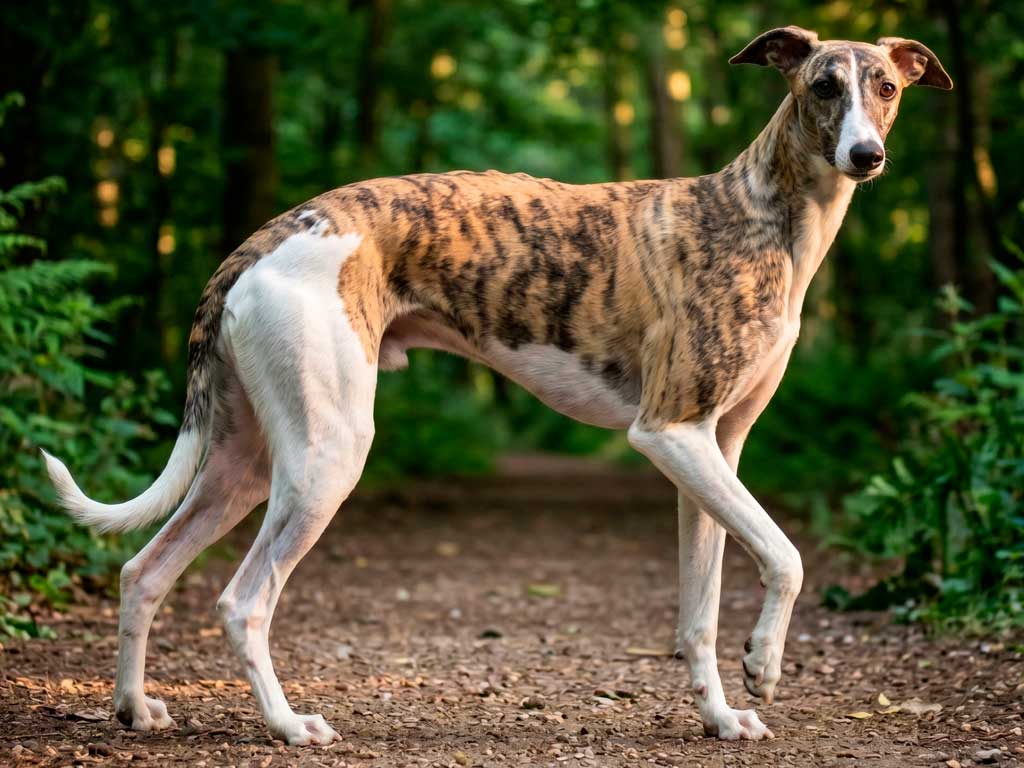
The Greyhound is nature’s sprinter in dog form. These aristocratic canines represent the pinnacle of speed and grace, built for performance yet surprisingly gentle in the home. If you’ve ever wondered what makes Greyhounds so special, you’re in the right place. This guide covers everything from their storied history to their specific care requirements, helping you understand if a Greyhound truly fits your lifestyle.
History and Origin of the Greyhound
The Greyhound’s legacy spans thousands of years. Ancient civilizations, including Egypt and Mesopotamia, revered these dogs so deeply that Pharaohs and Asian kings commissioned their likenesses carved into tombs around 4000 B.C. This wasn’t mere decoration—it reflected the Greyhound’s importance as a hunter of antelope, deer, and wolf.
The breed eventually spread westward through the Near East and into Europe. By the time Greyhounds reached Britain, they’d become status symbols of the elite. Medieval law actually restricted ownership; only the nobility could legally keep a Greyhound. Commoners who owned one risked severe punishment. In 1016, ownership was explicitly reserved for the aristocratic classes.
When hunting popularity waned, Greyhounds found a new purpose: racing. They proved as dominant on the track as they were in the field. Even today, no domestic dog matches their speed. Only the cheetah surpasses them in the animal kingdom—a remarkable testament to breeding for a single, extraordinary trait.
Physical Characteristics of the Greyhound Breed
A Greyhound’s appearance tells its functional story. This is a dog designed purely for speed, and every physical feature reflects that purpose.
Adult males typically stand 71–76 cm (28–30 inches) at the shoulder and weigh 30–32 kg (66–70 pounds). Females are slightly smaller, measuring 69–71 cm (27–28 inches) and weighing 27–30 kg (59–66 pounds). This size classification puts them in the large breed category, yet their frame is surprisingly lean for their height.
The Greyhound’s coat is short and fine, requiring minimal grooming. Color variations are diverse: black, white, red, blue, fawn, brindle, or any combination with white. This variety means you’ll find a Greyhound to match almost any aesthetic preference.
What strikes most people is the Greyhound’s silhouette: a deep chest, long legs, and a tucked waist create a profile that screams efficiency. The head is long and narrow, the ears small and folded, and the tail thin and whip-like. There’s an elegance here that moves beyond mere function into pure beauty.
Temperament and Personality: The Quiet Companion
This is where Greyhound ownership surprises most people. Despite their racing heritage and hunting instincts, Greyhounds are calm, even docile indoors. They’re often jokingly called “40 mph couch potatoes”—a description that captures their paradoxical nature perfectly.
These are sensitive dogs. They respond to gentle handling and can be distant with strangers, though affectionate with family members they trust. They’re not guard dogs; in fact, a Greyhound confronted by an intruder would more likely flee than fight.
Greyhounds typically get along well with other dogs in the household. However, cat owners must exercise caution. The Greyhound’s prey drive is real and deeply ingrained. A cat might trigger chase instincts that no amount of training fully eliminates. If you have cats, socialization from puppyhood helps, but risks remain.
This breed thrives with owners who appreciate quietness and calm companionship. They’re affectionate without being demanding, independent without being aloof. They form strong bonds with their people while maintaining an almost dignified emotional distance from the chaos of daily life.
Care Guide for Greyhound Dogs
Diet and Nutrition for Greyhounds
Large-breed dogs require nutrition tailored to their size. Greyhounds are particularly prone to gastric dilatation and volvulus (bloat), a life-threatening emergency where the stomach twists on itself. Feeding strategies make a real difference here.
Instead of one large meal daily, divide food into smaller, more frequent portions. Two or three meals per day reduces the risk of bloat significantly. Avoid feeding immediately before or after intense exercise—wait at least an hour on either side.
Choose high-quality dog food formulated for large breeds. The balanced minerals (particularly calcium and phosphorus) support skeletal health without promoting excessive growth that strains the system. Your veterinarian can recommend brands appropriate for your Greyhound’s specific health profile.
Fresh water should be available constantly. Some owners elevate food and water bowls slightly to reduce neck strain during eating, though this practice’s effectiveness remains debated among vets.
Exercise Requirements for the Greyhound
This might be the biggest surprise for prospective Greyhound owners. Despite being the fastest dog breed, Greyhounds don’t need excessive exercise. Two short bursts of approximately 20 minutes of running daily satisfy their needs. A single longer walk won’t cut it; they need that explosive sprint to feel truly content.
This is important: always ensure your Greyhound responds reliably to recall commands before allowing off-leash running. Their prey drive can override training in the heat of the moment. A small rabbit or squirrel might trigger a chase that your voice can’t interrupt.
In cold weather, these lean dogs appreciate a sweater or coat. Their short coat offers little insulation, and their low body fat provides minimal protection against freezing temperatures. A 35-degree morning might feel pleasant to you but uncomfortable for your Greyhound.
Grooming Needs and Coat Care
Here’s relief for the grooming-averse: Greyhounds are among the easiest breeds to maintain. Their short, fine coat requires brushing only occasionally—perhaps once weekly during shedding season. Regular brushing removes loose hair and distributes natural oils, keeping the coat healthy.
Bathing is rarely necessary. A monthly bath with mild dog shampoo suffices. More frequent bathing strips the skin of protective oils, potentially causing dryness or irritation.
Dental care deserves special attention. Greyhounds are susceptible to dental problems including caries and tooth loss. Brush teeth several times weekly, ideally daily. Regular veterinary cleanings help maintain dental health throughout their lives.
Nail trimming every 3–4 weeks keeps them manageable. Ear cleaning weekly prevents infection, especially since their folded ears can trap moisture.
Training and Education for Greyhound Dogs
Greyhounds are intelligent but independent. They respond well to positive reinforcement but can be stubborn if they see no personal benefit in compliance.
Training requires patience and consistency. These dogs are sensitive to harsh corrections; a raised voice is often all the discipline needed. Reward-based methods work exponentially better than punishment. Use high-value treats and enthusiastic praise.
Recall training demands particular attention. The hunting instinct runs deep. You might have a perfectly trained companion until a rabbit appears, at which point training temporarily becomes irrelevant. This doesn’t mean recall training is pointless—it just acknowledges the reality of Greyhound nature.
Socialization during puppyhood helps them become well-adjusted adults. Expose young Greyhounds to varied people, environments, and (carefully) other animals. This builds confidence and reduces fear-based reactivity in adulthood.
Crate training serves well with this breed. Greyhounds appreciate safe, enclosed spaces. A properly introduced crate becomes their sanctuary, not a punishment tool.
Health and Longevity of the Greyhound Breed
Greyhounds are generally healthy dogs with a lifespan of 12–15 years. However, several breed-specific conditions warrant awareness.
Gastric dilatation and volvulus (bloat) remains the most serious acute concern. Symptoms include abdominal distension, restlessness, unproductive retching, and apparent pain. Bloat is a medical emergency requiring immediate veterinary intervention. Emergency spay/neuter surgery can include preventive gastropexy, a procedure that anchors the stomach to prevent future twisting.
Bone cancer (osteosarcoma) occurs at elevated rates in Greyhounds, particularly in retired racing dogs. Early detection through veterinary screening improves outcomes.
Greyhound neuropathy is a hereditary condition causing progressive muscle weakness. There’s no cure, but management focuses on maintaining quality of life.
Dilated cardiomyopathy affects the heart muscle’s ability to pump effectively. Regular cardiac screening helps detect this condition early.
Heart murmurs and other cardiac issues can occur. Annual veterinary checkups with possible cardiac screening become increasingly important as Greyhounds age.
Dental problems are common. Caries, tooth loss, and gum disease develop at higher rates than in many other breeds. Preventive dental care throughout life helps minimize these issues.
Regular veterinary checkups become crucial as your Greyhound ages. Screening for these conditions through recommended health testing programs gives your dog the best chance at a long, healthy life.
Is the Greyhound the Right Dog for You?
Right for You
You’re a good match for a Greyhound if you appreciate calm, quiet companionship. These dogs don’t demand constant attention. They’re content lounging while you work or read.
You have a secure yard or live near parks suitable for sprinting. Off-leash running is essential for Greyhound wellbeing; without it, they become frustrated and anxious.
You can commit to regular veterinary care and understand breed-specific health concerns. A Greyhound thriving at 12+ years requires attentive, informed ownership.
You’re experienced with dogs or willing to work with a trainer. Their independence and prey drive need experienced handlers for best results.
You don’t have young children or live in a multi-pet household with cats. Greyhounds tolerate kids if socialized, but their prey drive and sensitivity don’t suit chaotic families.
Not Right for You
Greyhounds aren’t suitable if you expect an enthusiastic, always-eager companion. Their independence can feel aloof to owners accustomed to Golden Retrievers or Labs.
Apartment living with no nearby off-leash space is problematic. These dogs need their sprints; confinement breeds anxiety.
You can’t tolerate prey drive. A Greyhound will always be a Greyhound, and their hunting instincts don’t fully disappear with training.
You’re unwilling to invest in dental care, health screening, and potential emergency veterinary costs. Greyhounds require informed, attentive health management.
You’re a first-time dog owner or uncomfortable enforcing recall training. These responsibilities exceed what novice owners typically handle successfully.
Frequently Asked Questions About Greyhounds
Q: How fast can a Greyhound run? A: Greyhounds can exceed 60 kilometers per hour (37 mph) in short sprints, making them the fastest domestic dog breed. Only the cheetah surpasses them in the animal kingdom.
Q: Do Greyhounds shed a lot? A: Greyhounds shed moderately, particularly during seasonal changes. Weekly brushing during shedding season manages loose hair effectively.
Q: Can Greyhounds live in apartments? A: Technically yes, but it’s not ideal. Without access to off-leash space for regular sprinting, apartment-dwelling Greyhounds often develop anxiety and behavioral issues.
Q: Are Greyhounds aggressive? A: No. Greyhounds are notably non-aggressive with people. Their prey drive toward small animals is the primary concern, not human-directed aggression.
Q: How long do Greyhounds live? A: The typical lifespan is 12–15 years. Proper care, regular veterinary checkups, and attention to breed-specific health issues maximize longevity.
The Greyhound represents a unique proposition in dog ownership. You get the elegance of a champion athlete paired with the temperament of a quiet, sensitive friend. They’re not for everyone—they require specific understanding of their needs and drives—but for the right owner, they’re incomparable companions.
Their calm demeanor indoors, combined with a genuine need for explosive exercise, creates a lifestyle that works beautifully for people who appreciate the balance. Consider your living situation, experience level, and genuine ability to commit to their health care. If those elements align, a Greyhound might be exactly what your household needs.
Already convinced you want a Greyhound? Explore our guides on preparing your home for a new dog and understanding the adoption process to get started on the right foot.
Cross-Linking Teaser: Previously published similar breed guides on Happy Pet Zone include the Irish Wolfhound (another sighthound with unique needs) and the Dalmatian (another athlete breed requiring substantial exercise). These guides offer complementary insights into managing active, sensitive dog breeds.