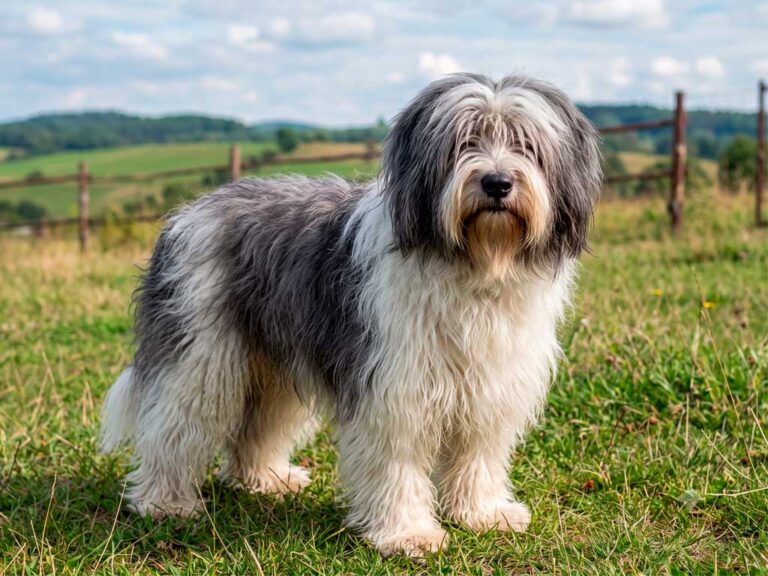
Petit Basset Griffon Vendéen — Breed Profile, Personality & Care
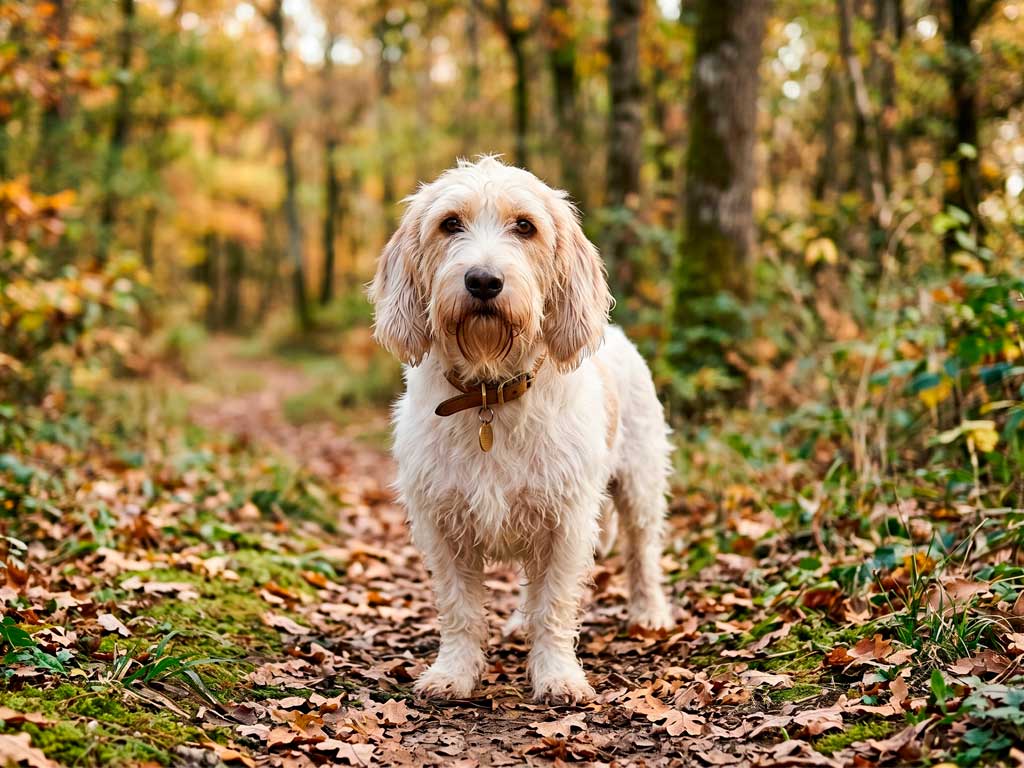
The Petit Basset Griffon Vendéen is one of the most charming, energetic, and genuinely joyful dog breeds you’ll ever meet.
Nicknamed the “happy hound,” this small French scent hound packs a massive personality into a compact, sturdy frame. Whether you’re an experienced dog owner or looking for a lively family companion, the PBGV has a lot to offer.
In this guide, you’ll get everything — history, temperament, care requirements, health concerns, and an honest verdict on whether this breed fits your lifestyle.
Let’s dive in.
History and Origin
The Petit Basset Griffon Vendéen traces its roots all the way back to 16th-century France, specifically the rugged Vendée region on the country’s western Atlantic coast.
The terrain there is notoriously difficult — dense undergrowth, rocky paths, and thorny scrubland. Hunters needed a low-slung, tough, and determined hound that could push through those conditions while tracking rabbits, hares, and wild boar by scent alone. The PBGV was purpose-built for exactly that job.
Interestingly, the breed we know today came from the same litters as its larger cousin, the Grand Basset Griffon Vendéen (GBGV). For centuries, both sizes were interbred freely. It wasn’t until the 1970s that French breed clubs officially prohibited crossing the two varieties, solidifying them as distinct breeds.
King Louis XII of France was reportedly a devoted fan of the small variety — a royal endorsement that speaks volumes about the breed’s appeal.
Today, PBGVs are still used in their native France for hunting, both solo and in packs. Outside of France, however, they’ve gained a loyal following as companion dogs and show dogs, known affectionately by those initials: PBGV.
Physical Characteristics
The PBGV has a very distinctive look. You won’t mistake it for anything else.
Size and Build
- Height: 13–15 inches (34–38 cm) at the shoulder
- Weight: 33–44 lbs (15–20 kg)
- Build: Longer than tall, with a broad chest and short, sturdy legs — classic Basset proportions
The body is well-muscled and compact. Despite those short legs, this dog moves with purpose and surprising speed in the field.
Coat and Colors
The PBGV sports a rough, medium-length double coat — a dense, weather-resistant undercoat beneath a harsh, wiry outer layer. This coat was designed to withstand the brambles and scrub of the Vendée countryside.
Colors include:
- White with lemon markings
- White with orange markings
- White with black markings
- Tricolor (white, black, and tan)
- White with grizzle (grayish) markings
Facial Features
The face is one of the breed’s most expressive features. Expect a long muzzle, prominent dark eyes full of intelligence, and large, oval-shaped drooping ears covered in long hair. Add a well-furnished beard and eyebrows, and you’ve got a dog that permanently looks like it’s about to share a very amusing story.
Temperament and Personality
This is where the PBGV truly shines.
The Petit Basset Griffon Vendéen is extroverted, curious, and almost relentlessly cheerful. These dogs were bred to work in packs, so they’re naturally sociable — with other dogs, with children, and even with strangers.
Here’s what you need to know about living with one:
- Playful and fun-loving. PBGVs approach life with genuine enthusiasm. They love games, adventures, and anything that keeps them mentally and physically engaged.
- Independent thinkers. This is a scent hound, and scent hounds have an independent streak that goes back thousands of years. When a PBGV picks up an interesting smell, the world around them tends to disappear.
- Stubborn — lovably so. Experienced PBGV owners know this well. The breed will push boundaries, test patience, and occasionally pretend it can’t hear you (what breed experts call “selective deafness”). However, they’re also eager to please on their own terms.
- People-oriented. PBGVs love their families deeply. They do not thrive with isolation or long periods alone.
- Vocal. This breed was designed to give tongue on a scent trail. That natural baying and barking instinct doesn’t disappear in a home environment. Neighbors are worth considering.
Overall, the PBGV is an excellent family dog — friendly, adaptable, and genuinely fun to be around.
Care Guide
Diet and Nutrition
A healthy PBGV needs a balanced, complete diet that supports their active lifestyle.
Feed them twice daily rather than leaving food out all day. PBGVs are food-motivated (it helps with training) but can also become overweight if portions aren’t monitored. Always check the feeding guidelines on your specific food and adjust for your dog’s age, size, and activity level.
Key nutritional priorities:
- High-quality protein as the first ingredient
- Omega fatty acids for skin and coat health (that rough coat benefits from good nutrition)
- Calcium and phosphorus for bone support, particularly important for a low-to-ground breed
Always provide fresh water throughout the day.
Exercise Requirements
Make no mistake — the PBGV needs at least one hour of vigorous exercise daily, ideally more.
This isn’t a dog that’ll be happy with a brief stroll around the block. They were built for endurance in rough terrain. Off-leash running is fantastic for them, but only in securely fenced areas. A PBGV that picks up an interesting scent will follow it with complete tunnel vision, deaf to recall commands.
Good exercise options include:
- Long hikes and trail walks
- Active play sessions in a secure yard
- Scent work and nose games (mentally exhausting in the best way)
- Dog sports like tracking or agility
Mental stimulation matters just as much as physical exercise. A bored PBGV becomes a creative problem-solver — and not always in ways you’ll appreciate.
Grooming Needs
The PBGV’s rough double coat is relatively low-maintenance compared to many other breeds, but it does require consistent attention.
Brushing: A good brush every two to three days prevents mats and removes debris. The coat’s coarse texture attracts dirt, leaves, and anything else in the environment.
Ear care: This is critical. Those beautiful long, drooping ears trap moisture and debris, making PBGVs prone to ear infections. Check and clean the ears regularly — weekly is a good habit to build.
Bathing: Every few weeks, or when genuinely dirty (which, given their love of the outdoors, can be frequently).
Nails, teeth, and eyes: Monthly nail trims, regular tooth brushing, and periodic eye checks round out the grooming routine.
Training and Education
Training a PBGV is genuinely rewarding — but it requires patience, consistency, and a sense of humor.
The good news: they’re intelligent and eager to engage. The challenge: that same independent nature that made them brilliant hunting dogs means they’ll evaluate whether a command is worth following. Harsh training methods do not work with this breed. In fact, they tend to backfire.
What works:
- Positive reinforcement using high-value treats and praise
- Short, varied training sessions (10–15 minutes max) to keep their attention
- Early socialization — exposing puppies to different people, dogs, and environments builds a well-adjusted adult
- Patience with recall — this is the hardest command to solidify with any scent hound, and the PBGV is no exception. A long line in open spaces is safer than trusting off-leash recall until it’s rock-solid
Start obedience training early. The habits formed in the first 6 months will shape the dog’s behavior for life. Puppy classes are highly recommended — they provide socialization and foundational skills simultaneously.
Health and Longevity
The Petit Basset Griffon Vendéen is a generally hardy breed with a lifespan of 12 to 14 years — solid for a dog of their size.
However, like all breeds, they have specific health concerns worth knowing about.
Eye conditions are the most significant inherited concern in PBGVs. These include primary open-angle glaucoma (POAG) and persistent pupillary membrane (PPM). Responsible breeders conduct eye examinations before breeding, and prospective owners should ask for health clearances.
Epilepsy has also been documented in both the Petit and Grand varieties. While not universal, it’s worth discussing with your vet and breeder.
Ear infections are common due to the breed’s ear structure — consistent ear care (as mentioned in grooming) is the best prevention.
Hip dysplasia and joint issues can occur, particularly as the dog ages. Keeping weight in check and providing appropriate exercise throughout life supports long-term joint health.
Recommended health checks:
- Annual eye examinations
- Regular vet check-ups, particularly after age 7
- Ear inspections at every vet visit
Working with a reputable breeder who health-tests their breeding stock significantly reduces genetic risk.
Is This the Right Dog for You?
Let’s be direct: the PBGV is a wonderful dog, but not for everyone.
The PBGV is a great fit if you:
- Have an active lifestyle and enjoy long walks, hikes, or outdoor adventures
- Have experience with independent or hound-type breeds
- Live in a home with a securely fenced yard
- Want a family-friendly, sociable dog that gets along with kids and other dogs
- Can commit to daily exercise, consistent training, and regular grooming
Think twice if you:
- Live in an apartment with no outdoor access and a low tolerance for barking
- Want a dog that’s easily trained off-leash from day one
- Have neighbors in very close proximity who are sensitive to noise
- Want a low-energy companion dog
If you match the first profile, the PBGV may well be one of the most joyful, entertaining, and loyal companions you’ll ever share your home with.
Frequently Asked Questions (FAQs)
How much exercise does a Petit Basset Griffon Vendéen need?
PBGVs need a minimum of one hour of vigorous exercise daily. They’re high-energy dogs with strong working instincts. In addition to walks, they thrive with scent work, active play, and opportunities to explore safely in enclosed spaces.
Are PBGVs good with children and other dogs?
Yes — the PBGV is known for being excellent with children and other dogs. Their pack-oriented nature makes them naturally sociable. As with any breed, supervised interaction with young children is always recommended.
Do Petit Basset Griffon Vendéens bark a lot?
They can. PBGVs are vocal by nature — that baying hound voice was a feature, not a bug, in their hunting past. Early training can help manage excessive barking, but potential owners in noise-sensitive environments should factor this in.
How do I keep a PBGV from running off?
A PBGV that catches a scent can disappear quickly. Never let them off-leash in unfenced areas until recall is fully reliable. Invest in a long training line for open spaces, and consistently reinforce recall with high-value rewards from puppyhood.
What health problems are common in PBGVs?
The main concerns are inherited eye conditions (including glaucoma), epilepsy, and ear infections due to their drooping ears. Always request health clearances from breeders, and schedule annual eye exams and regular vet visits throughout the dog’s life.