
As cat parents, we know our feline friends are masters at hiding discomfort. In the wild, showing weakness makes you a target, and our domestic cats have kept that survival instinct sharp. This is especially true when it comes to liver disease in cats.
Unlike a broken paw or a visible wound, liver issues brew beneath the surface. While a veterinarian uses blood tests to check enzyme levels and bilirubin, you are the first line of defense at home. Recognizing the early warning signs can be the difference between a manageable condition and a life-threatening crisis.
The General Signs: When “Just a Bad Day” Becomes a Pattern
In the early stages, liver dysfunction often mimics other minor ailments. However, if you notice a combination of these “non-specific” symptoms, it’s time to pay close attention.
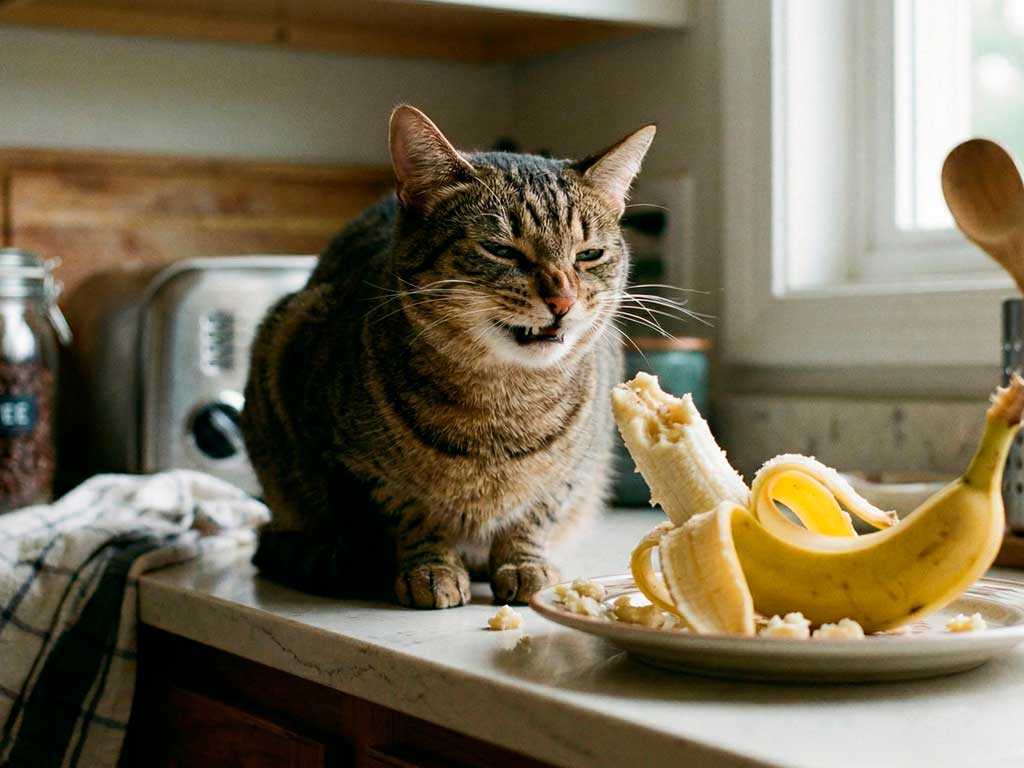
- A Loss of Appetite and Weight Loss: One of the first things I notice in cats with liver issues is a sudden apathy toward the food bowl. They may become “picky” or stop eating entirely (anorexia). You’ll see their ribs or hips becoming more prominent, and their belly may look “tucked up.”
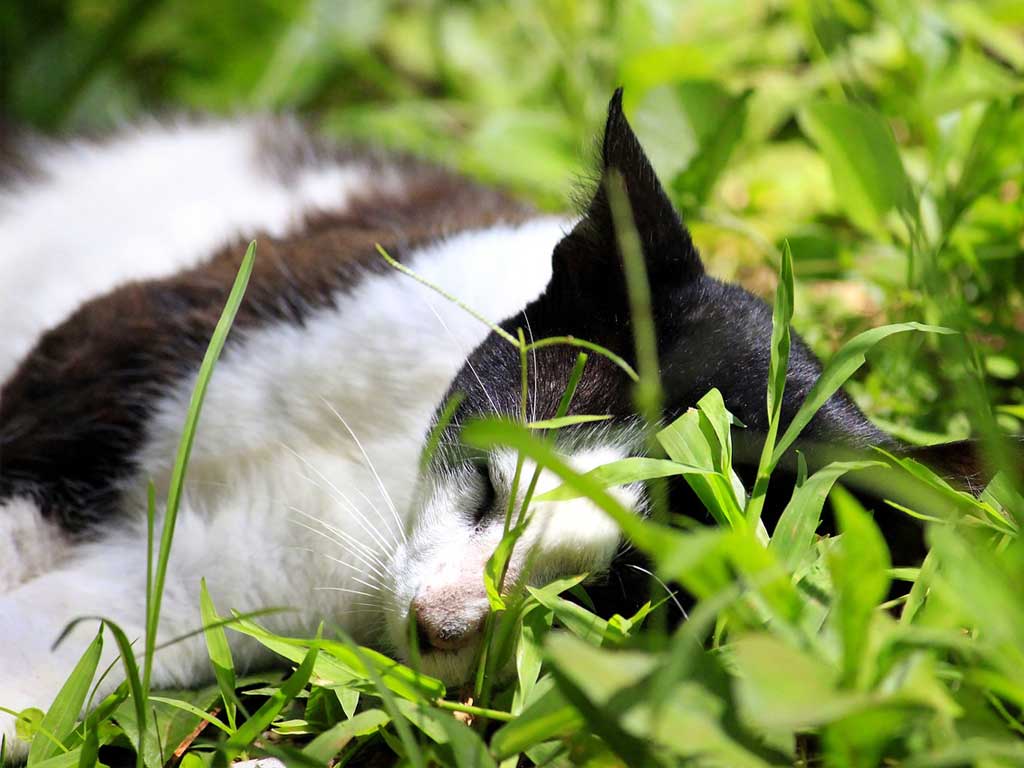
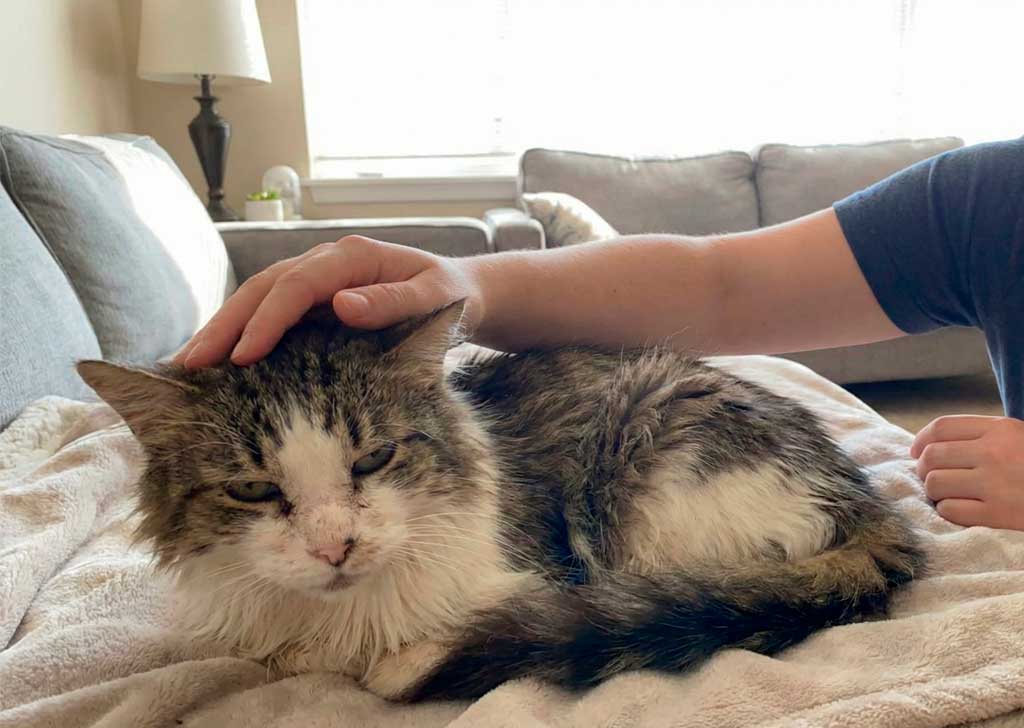
- The “Sad Face” and Lethargy: A cat with a struggling liver often looks genuinely depressed. Because the liver isn’t filtering toxins properly, those toxins can build up in the bloodstream, leading to a “neurotoxic” effect. This makes them sleepy, sluggish, and generally “out of it.”
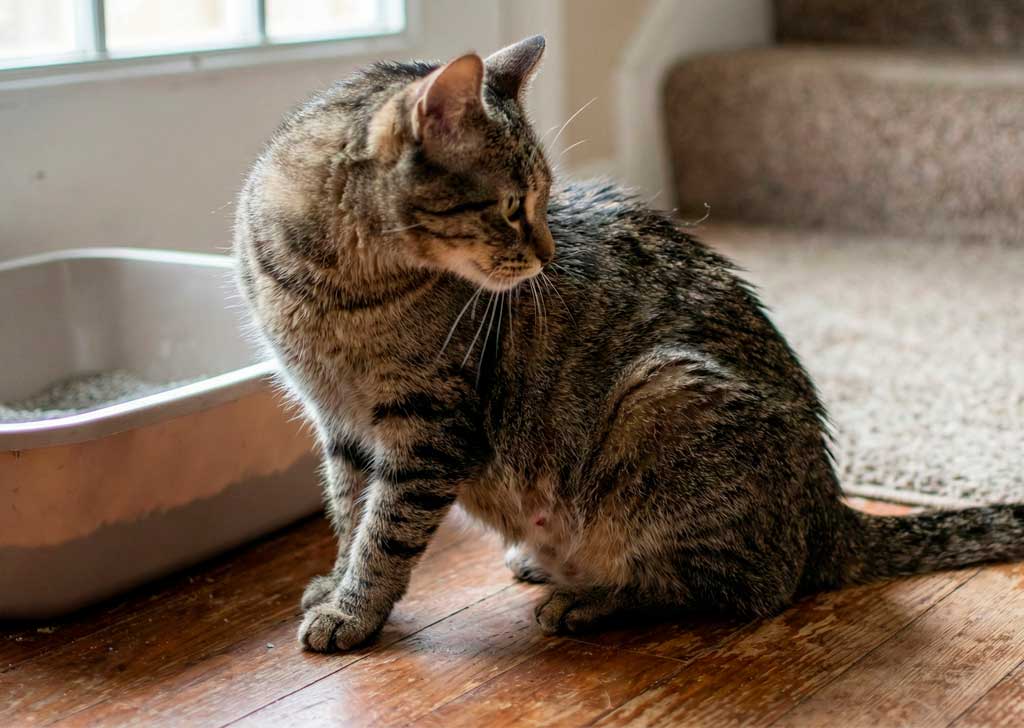
- Poor Coat Condition: A healthy cat is a clean cat. If your kitty stops grooming and their fur starts looking greasy, clumped, or unkempt, it’s a major red flag that they don’t feel well enough to maintain themselves.
- Digestive Upset: Frequent vomiting or diarrhea—or both—are common indicators that the metabolic system is failing.
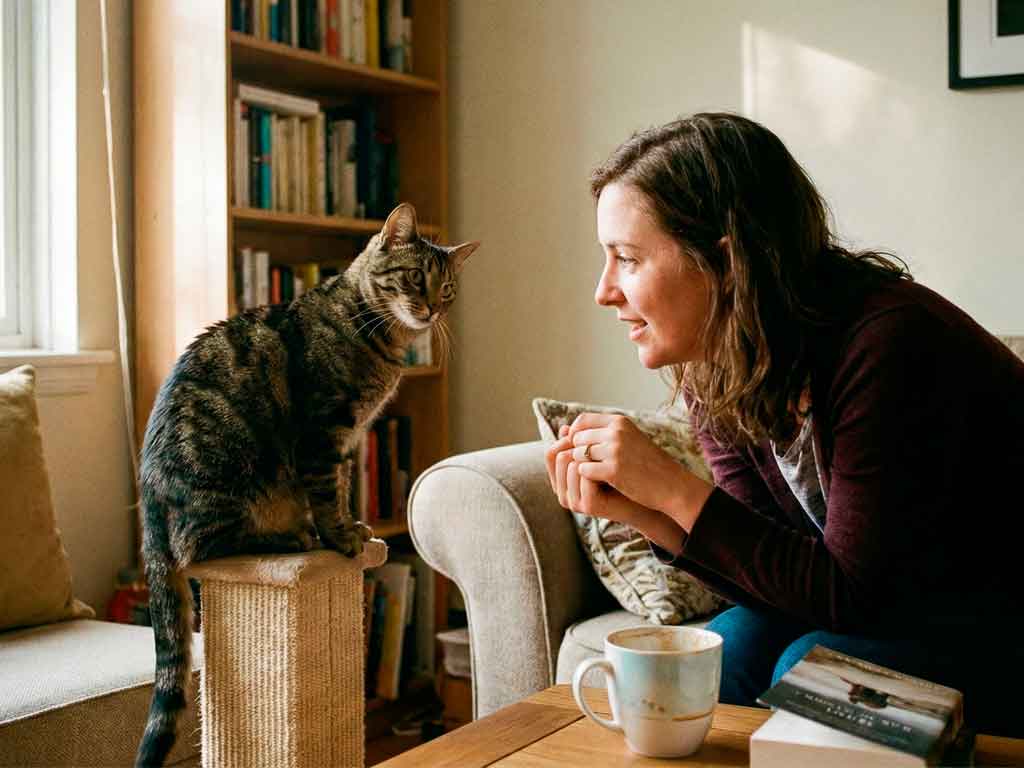
- Social Withdrawal: When cats feel vulnerable, they hide. If your normally social cat is suddenly spending all their time under the bed or in the back of a closet, they are telling you something is wrong.
Specific Red Flags: Clear Indicators of Liver Trouble
While the signs above could point to many issues, the following symptoms are much more specific to hepatic (liver) failure. If you see these, consult a veterinarian immediately.
1. Jaundice (Ictericia)
This is perhaps the most famous sign. If you gently lift your cat’s lip or look at the whites of their eyes, you might notice a yellowish tint. It’s not always a bright “highlighter” yellow; sometimes it’s a subtle, sickly pale gold. This happens when the liver can’t process bilirubin.
2. Excessive Drooling (Ptyalism)
In cats, excessive drooling is often linked to hepatic encephalopathy. This occurs when toxins (like ammonia) reach the brain, affecting their cognitive system. The cat may lose the muscle coordination to swallow or close their mouth properly, leading to constant “leaking” of saliva.
3. Increased Thirst and Urination
You might notice the water bowl emptying faster or find your cat urinating outside the litter box. When the liver fails, the kidneys often try to compensate, or the metabolic shifts simply trigger an unquenchable thirst.
4. Fluid in the Abdomen (Ascites)
In advanced cases, if you pick up your cat and their belly feels “heavy” or “liquid,” as if they have a water balloon inside, this is often ascites. While this can also be a sign of FIP (Feline Infectious Peritonitis), it is a classic hallmark of severe liver damage.
5. Poor Wound Healing and Bleeding
The liver is responsible for producing clotting factors. If your cat gets a tiny scratch that won’t stop bleeding, or a small wound that refuses to scab over and heal, their liver may be failing to produce the “glue” needed to fix the body.
A Note on Safety: This guide is for educational purposes. If your cat is staggering, disoriented, or having seizures, these are signs of critical toxin buildup in the brain. Please seek emergency veterinary care immediately.
Catching it Early Matters
It is heartbreaking to see our pets go through this, but there is hope. If we catch liver disease in the “general signs” phase, many conditions are reversible or at least manageable with the right diet and medication.
Keep a close eye on their habits, their coat, and their “sparkle.” You know your cat better than anyone else—trust your gut if you feel something isn’t right.
Would you like me to create a checklist of “Daily Habits to Monitor” so you can keep a closer eye on your cat’s health?