
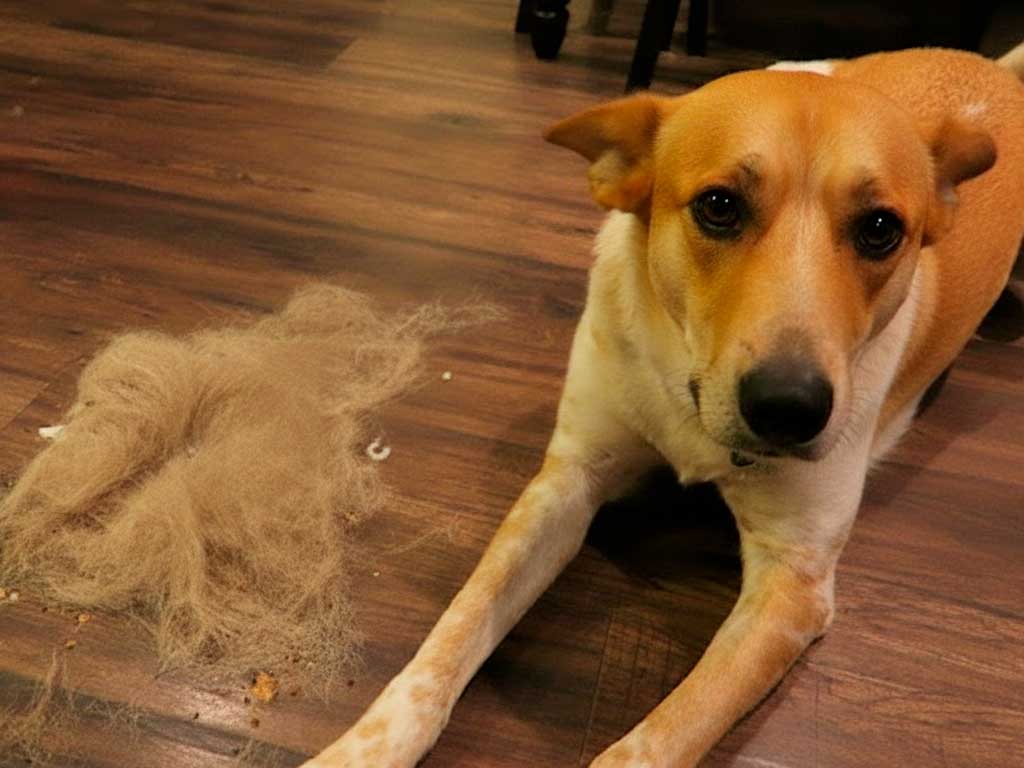
We’ve all been there. You spend an hour vacuuming the living room, sit down with a cup of coffee, and look over to see a fresh “tumbleweed” of golden fur drifting across the hardwood. I remember when I first brought home my heavy shedder; I felt like I was losing a war against a furry invisible army.
If you feel like your dog is slowly replacing your carpet with their own coat, I have some good news: while you can’t stop shedding entirely, you can absolutely control it. Managing shedding isn’t just about cleaning your floors; it’s about understanding your dog’s biology and using a proactive approach. In this guide, I’m sharing everything I’ve learned about reducing shedding from the inside out and the outside in.
Understanding the “Why” Behind the Fur
Before we grab the brushes, we have to understand that shedding is a natural, healthy process. Dogs shed to get rid of old, damaged, or extra hair.
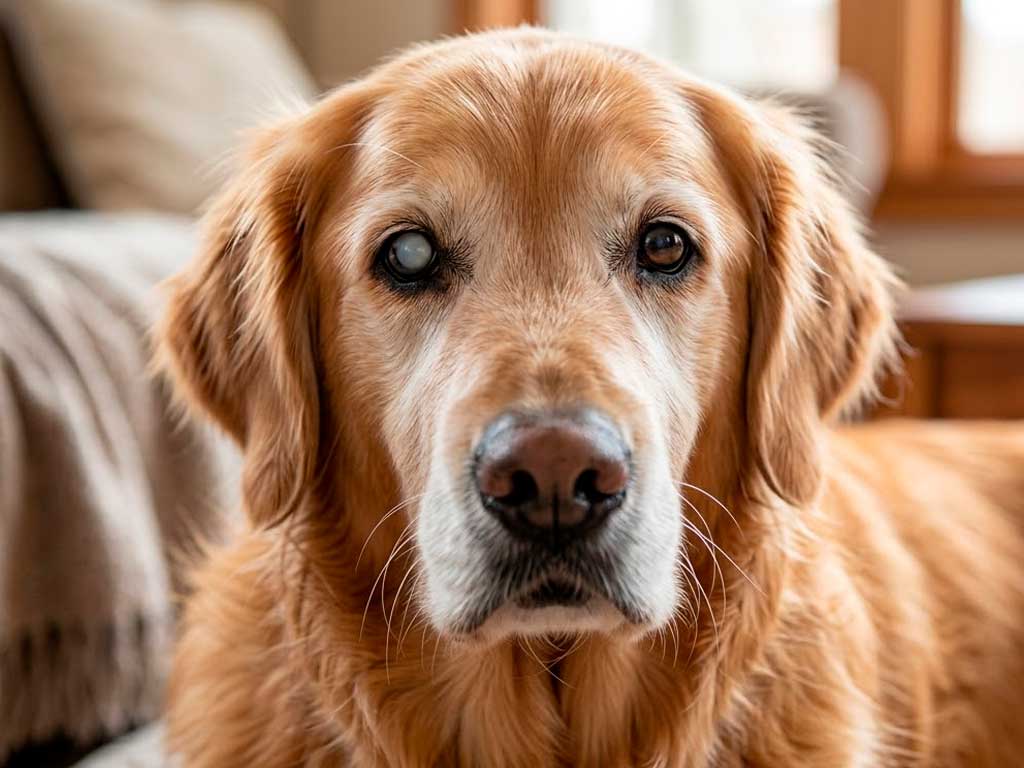
Depending on the breed, this happens in different ways. Some dogs, like Labrador Retrievers and Newfoundlands, are year-round shedders. Others are “seasonal” shedders, often called double-coated breeds (think Huskies or Golden Retrievers). These pups “blow their coats” twice a year—typically in the spring to lose the heavy winter undercoat and in the fall to prepare for new growth.
Pro Tip: Even “hair-free” breeds like Poodles or Soft Coated Wheaten Terriers shed a tiny bit, but the hair gets trapped in their curls, which is why they need professional haircuts rather than de-shedding tools.
1. Nutrition: Reducing Shedding from the Inside Out
Most owners start with a vacuum, but the real secret to a healthy coat starts in the kitchen. If a dog’s skin is dry and irritated, the hair follicles become weak, leading to excessive fallout.
High-Quality Proteins and Fats
The hair itself is made mostly of protein. If your dog’s kibble is filled with “fillers” like corn or soy, their coat will reflect it. Look for foods where the first ingredient is a named meat source.
The Power of Omega-3 Fatty Acids
Omega-3s (EPA and DHA) are the “holy grail” of coat health. They act as a natural anti-inflammatory for the skin and help strengthen the hair at the root.
- Fish Oil: Adding a pump of salmon oil to their breakfast can work wonders.
- Supplements: Soft chews containing Zinc, Biotin, and B-Vitamins help maintain the skin barrier, making the coat more resilient.
2. The Right Tools for the Job
You wouldn’t use a hammer to drive a screw, and you shouldn’t use a standard comb for a heavy-shedding dog. Using the right tool can reduce the hair in your home by up to 90%.
The Slicker Brush
This is your daily workhorse. It’s great for removing small tangles and surface loose hair. It’s gentle enough for most coat types and helps distribute natural skin oils.
Undercoat Rakes and De-shedding Tools
For double-coated dogs, the “magic” happens in the undercoat. Tools like the FURminator or an undercoat rake are designed to reach through the topcoat and pull out the dead, fuzzy undercoat before it hits your sofa.
- Frequency: Use these once or twice a week.
- Caution: Be gentle! You want to remove loose hair, not “strip” the coat or irritate the skin.
The Rubber Curry Brush
If you have a short-haired shedder (like a Beagle or a Pitbull), a rubber mitt or curry brush is your best friend. It acts like a magnet for those short, prickly hairs that get stuck in fabric.
3. The Power of the “De-Shed” Bath
Bathing your dog helps loosen the hair that is already “dead” but still hanging on. However, there is a technique to doing this effectively.
- Brush Before: Always brush a dry dog first to remove the bulk of the loose fur.
- Use De-shedding Shampoo: Look for formulas with omega fatty acids and moisturizers. These help hydrate the skin and release the undercoat.
- The Blow-Dry Secret: If your dog isn’t afraid of the noise, using a high-velocity dryer (the kind groomers use) will literally blow the loose fur off their body. Just be prepared for a “fur storm” in your bathroom!
- Brush After: Once they are dry, do one final pass with your de-shedding tool.
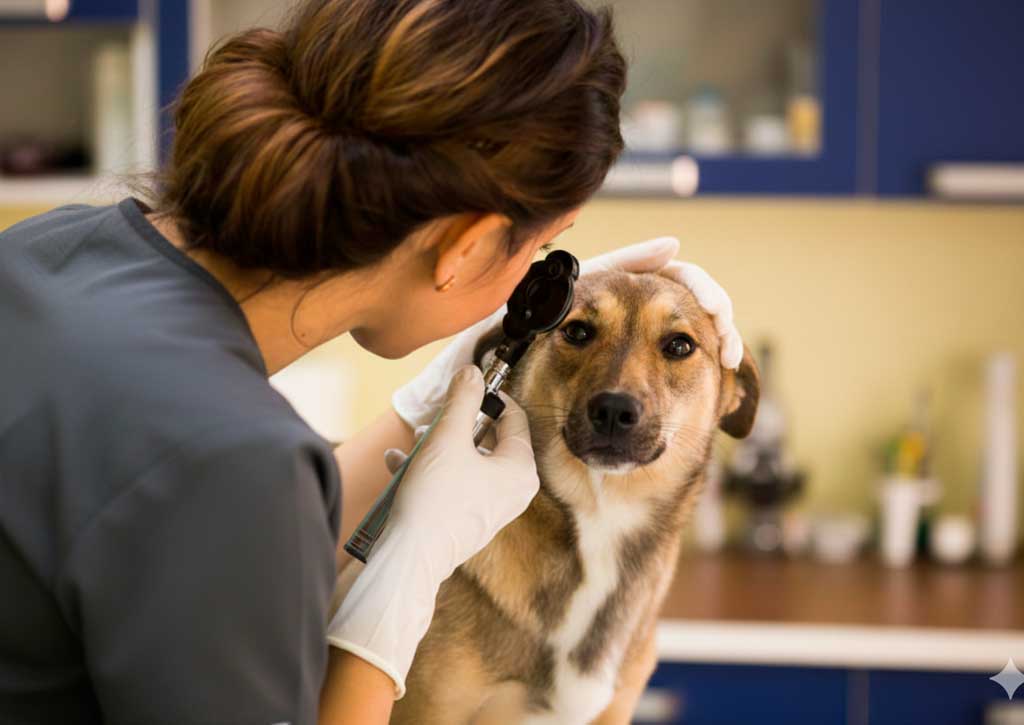
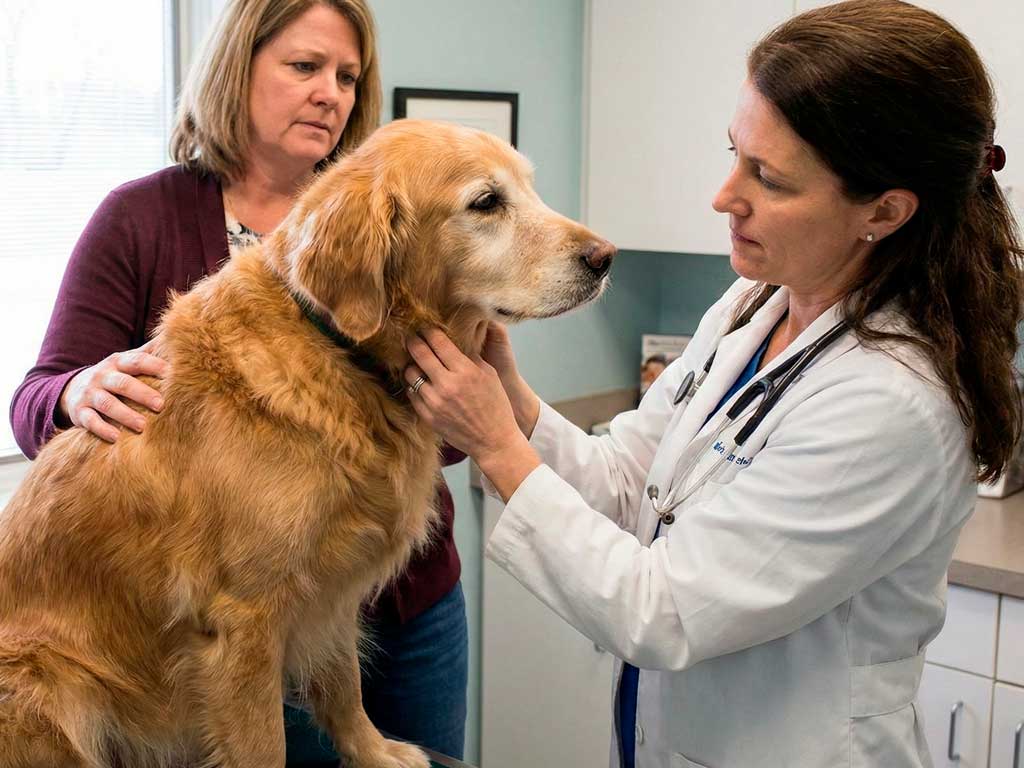
4. When Is Shedding a Medical Problem?
As an expert pet owner, I always tell people to trust their gut. If the shedding seems “off,” it might be a medical issue rather than a seasonal change.
Warning Signs to Watch For:
- Bald patches or symmetrical hair loss.
- Skin lesions, redness, or a strong odor.
- Constant itching or licking of a specific area.
Conditions like Hypothyroidism can cause a dog’s hair to stay in the “resting phase,” leading to massive shedding once treatment starts or thinning hair if left untreated. Parasites like mites or fungal infections like ringworm can also cause sudden hair loss.
Disclaimer: While these tips are based on professional grooming standards and nutritional science, always consult your veterinarian if your dog shows signs of skin distress or sudden, extreme hair loss.
5. Sanity-Saving Home Hacks
While you work on the dog, you also have to manage the house. Here are three things that saved my sanity:
- Washable Covers: Use furniture throws that can be tossed in the wash.
- The Squeegee Trick: Use a window squeegee on your carpets to pull up hair that the vacuum misses.
- Air Purifiers: A good HEPA filter will catch dander and tiny floating hairs before they land.
Managing a shedding dog is a marathon, not a sprint. By combining a great diet with a consistent grooming schedule, you’ll spend less time cleaning and more time enjoying your best friend.
FAQs
Can I shave my double-coated dog to stop shedding?
No! You should never shave a double-coated dog (like a Husky or Lab) to stop shedding. Their coat provides insulation against both heat and cold. Shaving can permanently damage the coat texture and lead to skin issues or heatstroke.
How often should I brush my dog to see a difference?
For most shedding breeds, 3 to 4 times a week is the sweet spot. During “coat blowing” season in the spring and fall, daily brushing might be necessary to keep the fur under control.
Will frequent bathing make my dog shed more?
Actually, it helps! While it seems like more hair is falling out during the bath, you are simply accelerating the removal of hair that was already going to fall out. Just ensure you use a moisturizing shampoo so you don’t dry out their skin.
Are there “shed-free” dog foods?
No food can stop shedding entirely, but foods rich in Omega-3 and Omega-6 fatty acids (often found in salmon or lamb-based recipes) significantly reduce “excessive” shedding caused by poor nutrition.
Why does my dog shed more when we go to the vet?
This is called stress shedding. When dogs are anxious, their tiny skin muscles (arrector pili) contract, causing hair to release. It’s a completely normal physiological response to a stressful environment!