
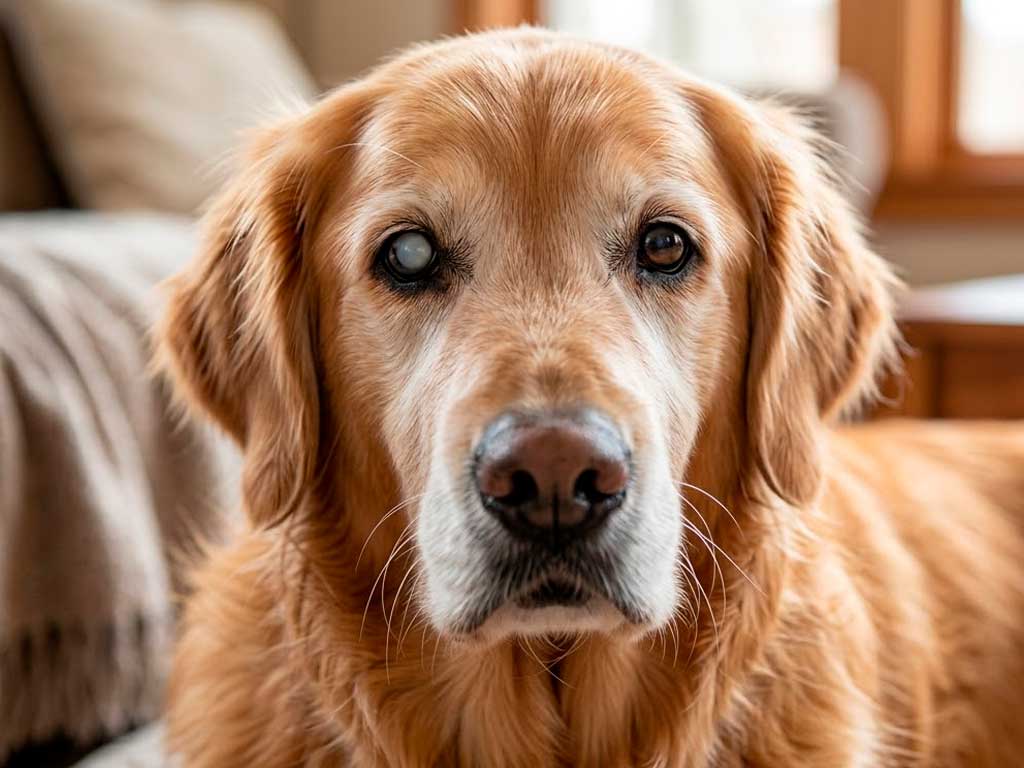
Cataracts in dogs often manifest as a milky or cloudy film over the eye, significantly impacting their vision and quality of life as they age. While surgery remains the only definitive cure, targeted nutritional strategies—including antioxidant-rich foods, Omega-3 fatty acids, and low-glycemic diets—can help slow progression and manage inflammation. Understanding the link between metabolic health, such as diabetes, and ocular clarity is essential for any senior dog owner looking to support their pet’s longevity.
Seeing that “milky” or “bluish” tint in your dog’s eyes can be heartbreaking. Often, owners assume it’s just an inevitable part of aging that leads to total blindness. While it is true that many senior dogs develop cataracts, it isn’t a “silent” sentence.
Through years of observing senior rescues and patient care, I’ve found that cataracts often have a deep-rooted connection to nutrition and metabolic health. By adjusting what goes into their bowl, we can significantly improve their comfort and slow the clouding of the lens.
Disclaimer: This guide provides nutritional and supportive care information. Cataracts can be complex and sometimes painful. Always consult with a board-certified veterinary ophthalmologist to rule out glaucoma or other serious conditions before starting a new supplement regimen.
Identifying the “Cloudy Eye”
A cataract is essentially an opacity in the crystalline lens of the eye. You might notice:
- A milky white or leathery appearance.
- A slight bluish tint when the light hits it at a certain angle.
- Your dog bumping into furniture or hesitating in low light.
It’s important to distinguish this from Glaucoma. In glaucoma, the eye often looks “bulging” due to high intraocular pressure. With cataracts, the eye size usually remains normal, but it looks as though a curtain has been drawn over the pupil.
The Nutritional Foundation: Reversing the Damage
Many cases of cataracts are exacerbated by years of a sub-optimal diet. Since the lens is highly susceptible to oxidative stress, we must fight back with powerful antioxidants.
1. The Power of Beta-Carotene (Vitamin A)
Beta-carotene is a natural repairman for the retina and the lens. To boost your dog’s intake, incorporate these three “Orange Superfoods”:
- Carrots (Raw or lightly steamed)
- Sweet Potatoes (Always cooked)
- Pumpkin (Pureed, not pie filling)
2. Nature’s “Sunglasses”: Lutein and Zeaxanthin
These specific carotenoids act like internal sunglasses, protecting the eye from light-induced oxidative damage.
- Lutein: Found in high concentrations in egg yolks.
- Zeaxanthin: Plentiful in leafy greens like spinach and broccoli.
3. Antioxidant Boosters
- Blueberries: Feeding 8–10 blueberries a few times a week provides high levels of Vitamin C, which helps slow down the “clouding” process.
- Astaxanthin: This is a powerhouse carotene. It is significantly more potent than Vitamin A and is incredible for protecting ocular tissues.
The Role of Metabolism: Why “Grain-Free” Matters
There is a direct link between diabetes and cataracts in dogs. High blood sugar levels cause the lens to swell and become opaque very quickly.
To manage this, we must avoid glucose spikes. Many commercial kibbles use heavy cereals and grains as fillers. These carbohydrates have a high glycemic index. Switching to a grain-free, low-carb diet helps maintain steady blood sugar levels, preventing the metabolic “fuel” that cataracts thrive on.
Daily Care and Hygiene
If your dog is struggling with vision, keeping the eye surface clean is a priority to prevent secondary infections.
- Saline Wash: Clean the eyes daily with a basic physiological saline solution.
- The Chamomile Trick: Chamomile tea is a great natural anti-inflammatory. However, always strain the tea through a cotton pad or fine filter. You must ensure no “tea dust” or particles enter the eye, as they can cause irritation.
Supplements to Consider
Beyond the bowl, two specific extracts can make a world of difference:
- Grape Seed Extract: While grapes are toxic to dogs, the seed extract (found in high-quality supplements) is safe and acts as a potent antioxidant specifically for the eyes.
- Omega-3 (Salmon Oil): Cataracts involve an inflammatory process. Adding a pump of salmon oil to their food daily helps reduce systemic inflammation and keeps the animal much more comfortable.
Will these steps cure a fully formed cataract? No. The only way to remove a cataract and fully restore sight is through surgery. However, by implementing these nutritional changes and maintaining a healthy weight, you can improve your dog’s quality of life, slow the progression, and potentially delay the need for expensive surgical intervention.
FAQs: Common Questions About Dog Cataracts
Can I use human eye drops for my dog’s cataracts?
No. Never use human medications without veterinary approval. Most human drops won’t penetrate the lens where the cataract is located and could contain ingredients harmful to canines.
Are cataracts painful for my dog?
Cataracts themselves aren’t usually painful, but they can cause inflammation (uveitis) which is uncomfortable. If the eye looks red or your dog is squinting, see a vet immediately.
Is my dog too old for cataract surgery?
Age isn’t a disease! If your dog is otherwise healthy (heart, kidneys), many seniors undergo successful surgery. A vet will perform a “ERG” test to ensure the retina is still functional before recommending surgery.
How fast do cataracts progress?
It depends on the cause. Diabetic cataracts can develop in just a few weeks, while age-related (senile) cataracts may take years to fully cloud the eye.
Is the “bluish” haze in my old dog always a cataract?
Not necessarily. Many dogs develop Lenticular Sclerosis, a natural hardening of the lens that looks bluish. Unlike cataracts, dogs with sclerosis can still see fairly well and usually don’t require treatment.
Would you like me to create a specific “Grain-Free” meal plan or a supplement checklist for your senior dog?