

It’s a common sight for many pet owners: you look down and see your furry friend trembling. Your first instinct might be to grab a blanket, assuming they’re just a bit chilly. While a drop in temperature is a possibility, modern indoor living means that cold is rarely the primary reason for canine tremors.
In many cases, shaking is a physical language dogs use to communicate everything from pure joy to intense physical pain. Understanding the nuances of these tremors is vital for any responsible owner. Let’s dive into the common and the critical reasons why your dog might be shaking.
Mild and Common Causes of Shivering
Sometimes, a shiver is just a shiver. If the cause is environmental or emotional, it usually resolves quickly once the trigger is removed.
- Environmental Cold: Just like us, dogs shiver to generate body heat. Small breeds and those with short coats are particularly susceptible.
- High Emotions & Excitement: Have you ever noticed your dog shaking the moment you pick up their leash or walk through the door? This is often just an “overflow” of affection and adrenaline.
- Fear and Stress: Storms, fireworks, or a trip to the vet can trigger stress-induced tremors. This is a “fight or flight” response where the body is primed for action.
- Muscular Fatigue: If you’ve just come back from an intense hike or a long game of fetch, your dog’s muscles might tremble from exhaustion. While not a medical emergency, it’s a sign they need a good rest and plenty of water.
When Shaking Signals a Medical Issue
If your dog is shaking and a blanket or a cuddle doesn’t fix it, the cause might be internal. This is where we need to pay close attention to E-E-A-T (Experience, Expertise, Authoritativeness, and Trustworthiness) in our care routine.
1. Physical Pain
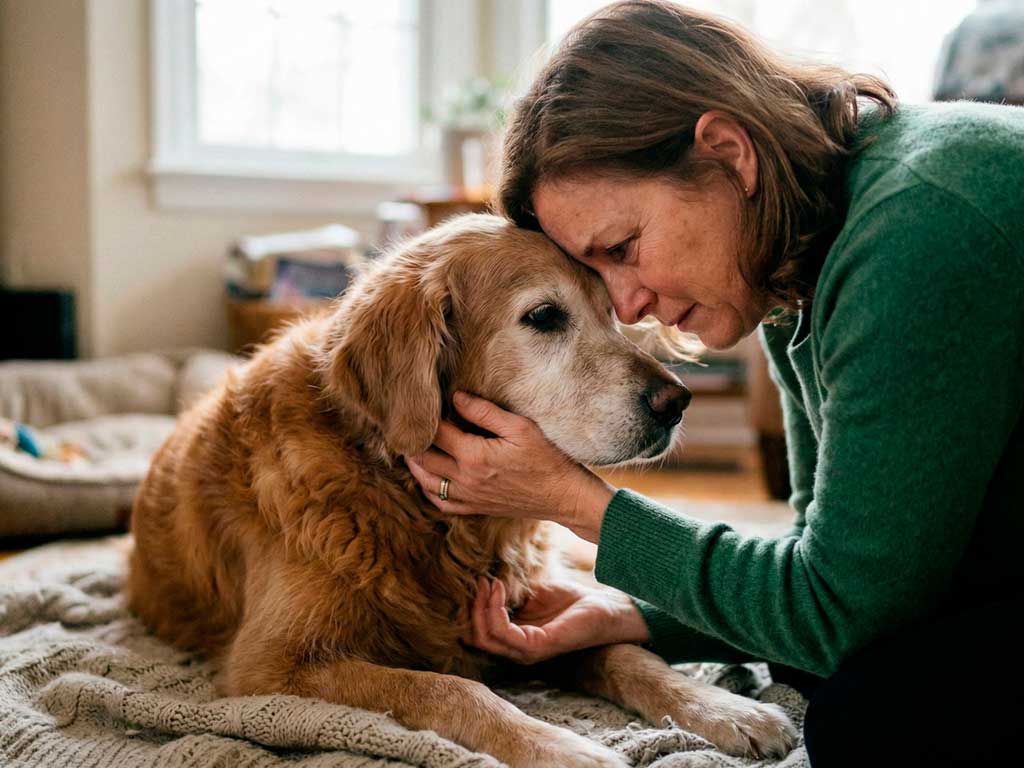
Pain is one of the most common “hidden” reasons for trembling. A dog in pain may shake across their whole body, but if you gently palpate (touch) them, you might notice the tremors intensify near a specific area, like a paw or the abdomen.
2. Hypoglycemia (Low Blood Sugar)
This is especially common in toy breeds like Chihuahuas. Because they have very few fat reserves, their blood sugar can drop rapidly, leading to uncontrollable shaking.
Pro Tip: Many experienced small-dog owners keep a small jar of honey nearby. Rubbing a tiny drop on the gums can provide a quick “sugar boost” to stabilize the animal while you head to the vet.
3. Toxicity and Poisoning
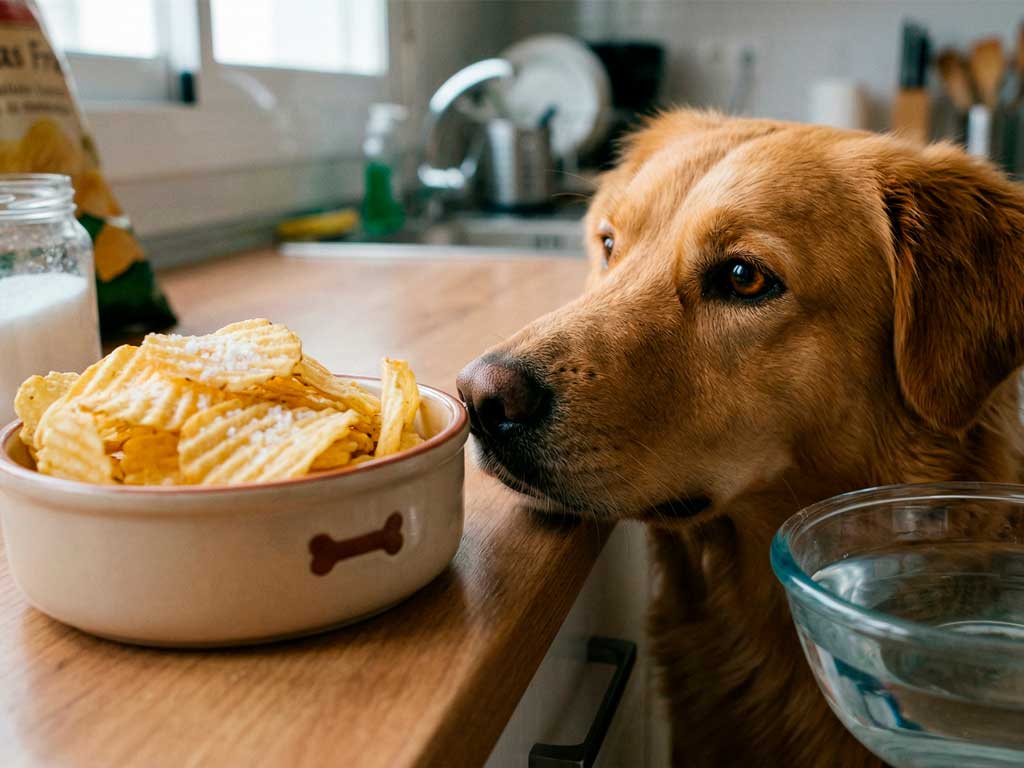
Our homes are full of items that are harmless to us but toxic to dogs. Ingestion of chocolate or Xylitol (an artificial sweetener found in toothpaste and sugar-free gum) can cause severe neurological shaking as the body reacts to the poison.
4. Fever and Infections
A dog with a fever (typically over 103°F or 39.4°C) will often shiver. You might also notice a dry, hot nose or lethargy. Shaking in these cases is usually a sign the body is fighting off a respiratory or systemic infection.
5. Neurological Conditions
Serious diseases like Distemper (Moquillo) can attack a dog’s nervous system. This leads to rhythmic tremors or “chewing gum fits” that do not stop. Keeping your dog’s vaccinations up to date is the single best way to prevent these devastating conditions.
Did You Know?
A dog’s normal body temperature is higher than a human’s, ranging between 101°F and 102.5°F (38.3°C – 39.2°C). If you suspect a fever is causing the shaking, using a digital pet thermometer is the only way to be sure.
When to Call the Vet
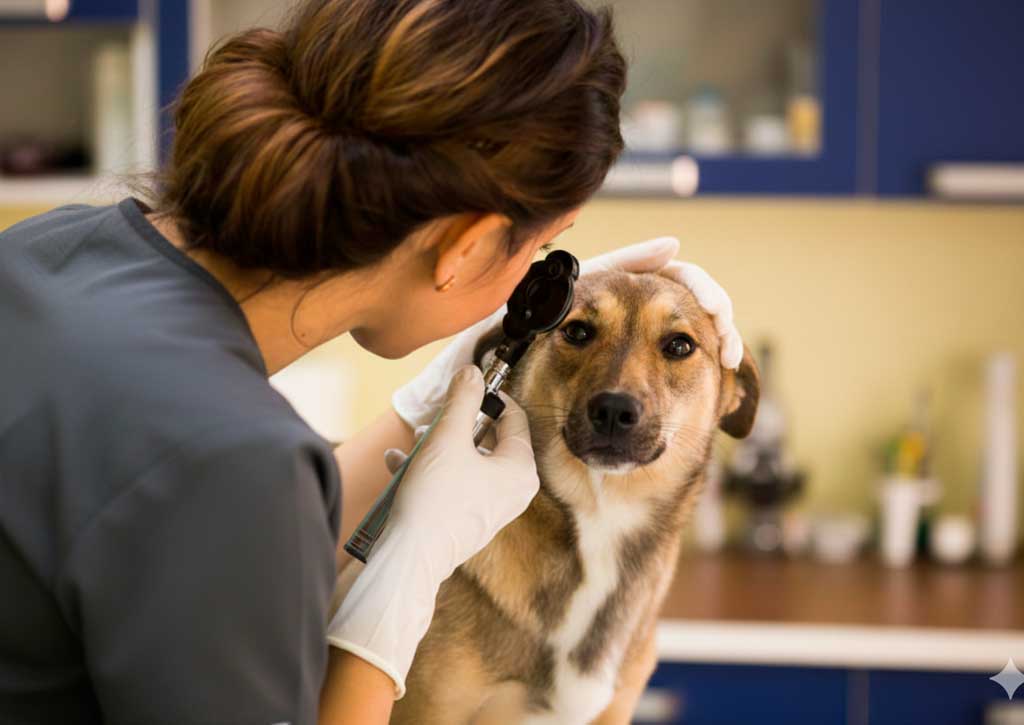
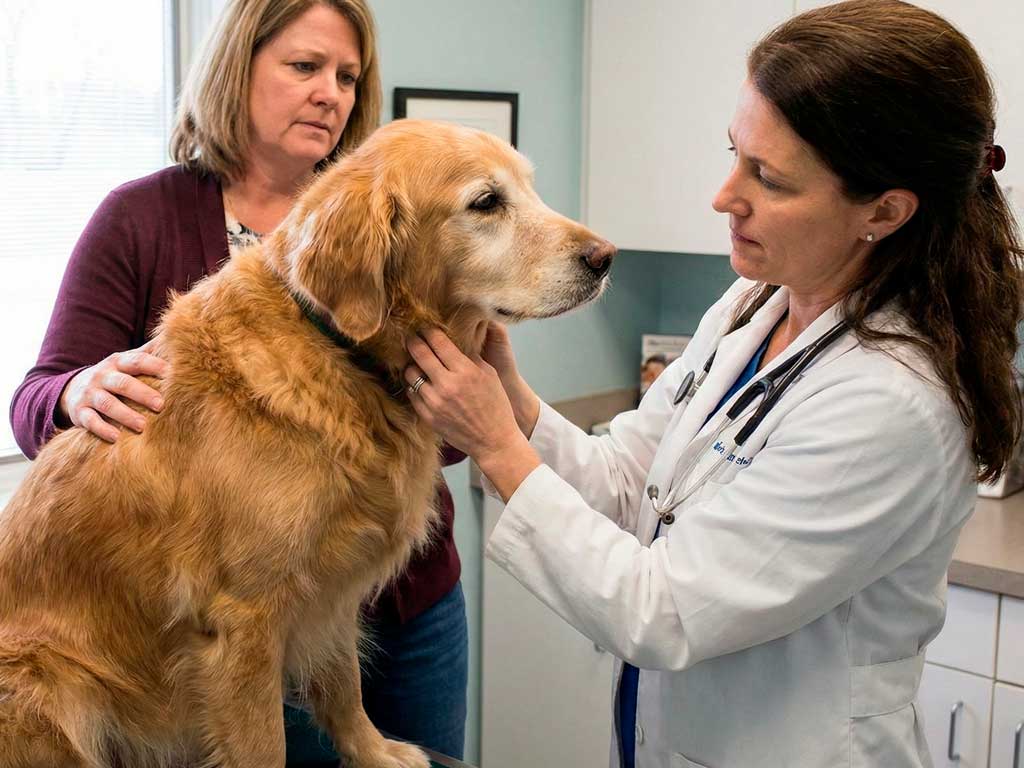
If the shaking is accompanied by vomiting, extreme lethargy, or if the dog seems “spaced out,” it is time for a professional evaluation. While we can provide guidance and support, nothing replaces the diagnostic tools of a licensed veterinarian.
Shaking is your dog’s way of saying something is “off.” By staying observant and knowing these key triggers, you can ensure your best friend stays happy, healthy, and still.
Disclaimer: This article is for informational purposes only and does not constitute professional medical advice. If your dog is experiencing severe tremors or appears distressed, please consult your veterinarian immediately.